A stylus is a consumable, and the honest signs of wear are audible before they are visible: rising sibilance on vocals, a harder edge in the inner grooves, and channel imbalance that cleaning will not fix. On my bench a bonded conical is done around 500 hours, a nude elliptical runs 500–800, and a MicroLine or Shibata can go past 1,000 — but the tip profile, your tracking force, and how clean you keep the record decide the real number.
This is the guide I wish beginners read before they panic-buy a whole new cartridge. Most of what people call a “worn cartridge” is a worn stylus — the tiny diamond and its cantilever — and on a lot of cartridges that part unclips and swaps in ten seconds for a fraction of the price. On others it is bonded in and you are choosing between a retip, a rebuild, or a full replacement. I have mounted and aligned every class of these on the decks I run, so this walks the whole lifecycle: how to read wear, what you are actually replacing, how long a tip lasts, whether break-in is real, and whether a worn stylus is quietly grinding your records. Each stage links out to a deeper spoke.
The wear lifecycle: what actually wears out
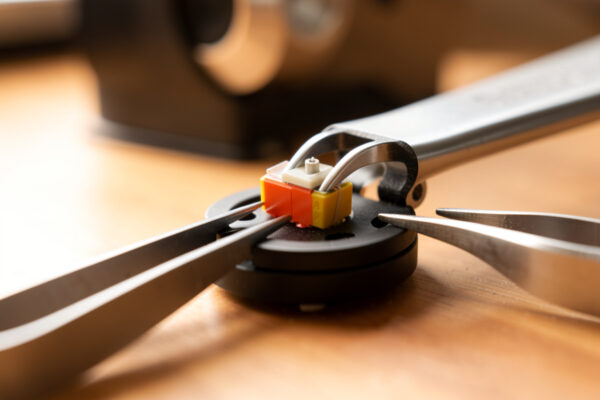
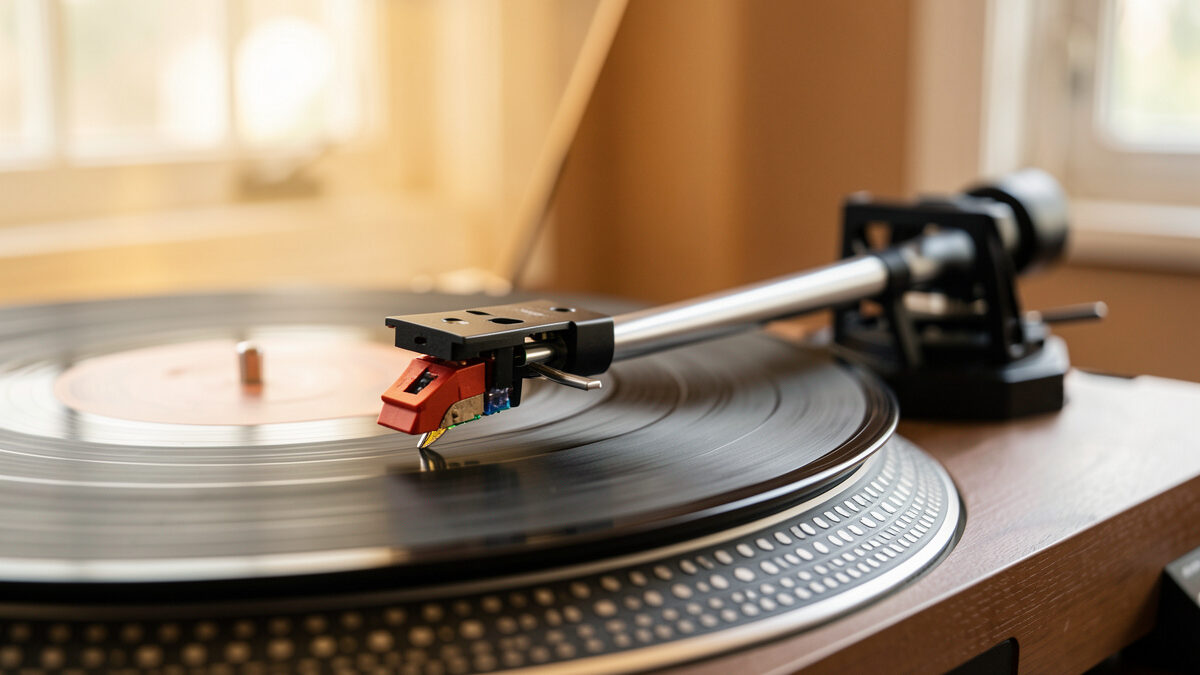
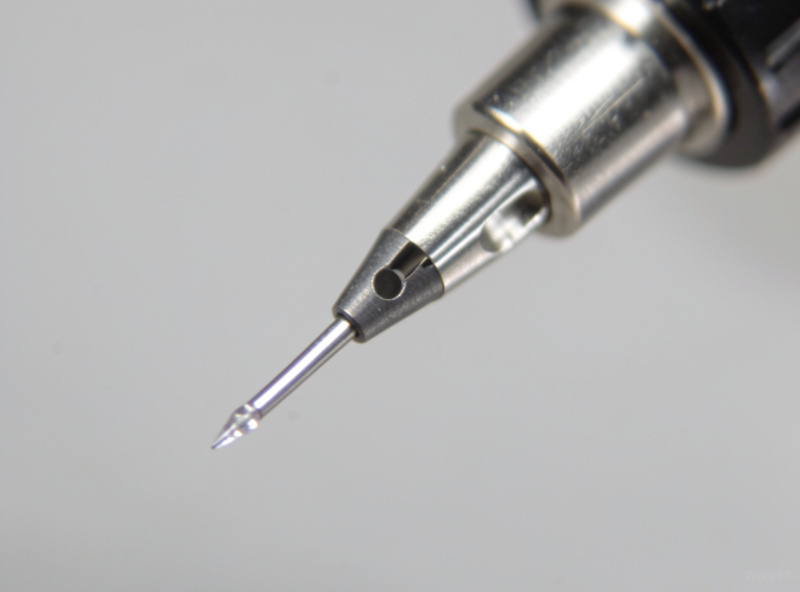
The part that wears is the diamond tip and, secondarily, the cantilever suspension that holds it. The diamond is hard, but it drags through vinyl thousands of times, and every pass polishes a flat onto the contact faces. That flat is the enemy: it changes the geometry of how the tip sits in the groove, and geometry is everything in this hobby.
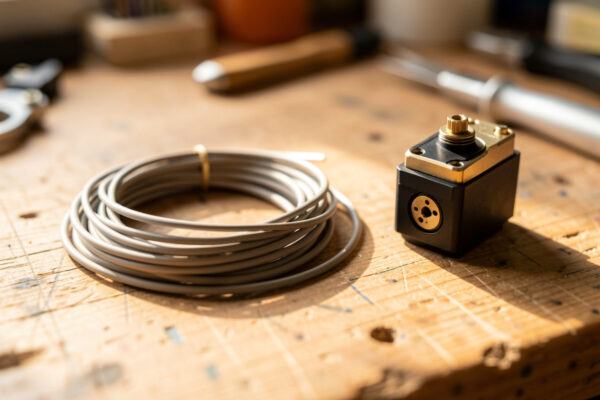
The cartridge body — the generator, magnets or coils, the pins — effectively does not wear out. I have cartridges that are decades old whose bodies are perfect; only the styli have been replaced. That single fact reframes the whole problem. When someone tells me their cartridge “sounds worn,” what has almost always aged is the diamond and the rubber suspension, not the electrical guts. Understanding this split is the difference between a $40 fix and a $400 one, which is exactly why I split it into a dedicated piece on what you are actually replacing.
There is a second thing that ages that nobody talks about: the elastomer suspension. That tiny rubber bushing behind the cantilever sets the cartridge’s compliance — how freely the cantilever moves — and rubber hardens with time and UV exposure whether you play the cartridge or not. A stylus that has sat in a drawer for fifteen years can measure fine under a loupe and still track badly, because the suspension has gone stiff and the effective tracking force at the tip is wrong. That is why “new old stock” styli are a gamble, and why I judge a used cartridge by how it tracks a torture passage, not by how the diamond looks. Wear, in other words, has two clocks: hours played, and years elapsed.
Reading the signs: how a worn stylus announces itself
Wear shows up in the sound before you ever see it. The first tell is sibilance — the “sss” and “t” sounds on vocals get spitty and splashy, worst near the label where the groove is tightest. The second is a general loss of detail and air, as if a blanket dropped over the top end. The third is channel imbalance or mistracking on loud passages, because a flatted tip cannot hold both groove walls.
Here is the discipline part: those same symptoms can come from bad alignment, wrong tracking force, or a filthy record, not wear. Before I condemn a stylus I clean the record, clean the tip, recheck tracking force against my digital gauge, and confirm alignment and null points on the protractor. If the sibilance survives all of that, it is the diamond. I go through the full audible-and-visual checklist — including how to inspect a tip with a cheap USB scope instead of a lab microscope — in how to inspect a stylus for wear. It also pairs with my diagnostic on telling stylus damage from mistracking and the piece on sibilance and distortion on vocals.
The pattern that convinces me it is wear and not setup is the inner-groove signature. Linear groove velocity drops as the tip spirals toward the label, so the same waveform is packed into a shorter length of groove — that is the hardest place for a tip to track, and it is where a worn diamond fails first. If a record sounds clean for the first three tracks and turns harsh and splashy on the last one, and it does that on record after record, I trust the diamond is done. A single problem record is a pressing or cleaning issue; the same failure across your whole collection, worst at the label, is wear. I keep a couple of vocal-heavy test sides for exactly this — a female voice with lots of “s” sounds cut near the inner grooves is a merciless wear detector, far more sensitive than any loupe.
One more discipline note: clean the tip before you judge it. A ball of felted dust on the diamond mimics every symptom of wear — dullness, mistracking, imbalance — and lifts straight off with a soft brush stroked back to front or a dab of stylus cleaner. I have “diagnosed” a dead cartridge that turned out to be a lint bearded tip more than once, which is humbling and worth admitting.
The four things you can replace — and what each costs you
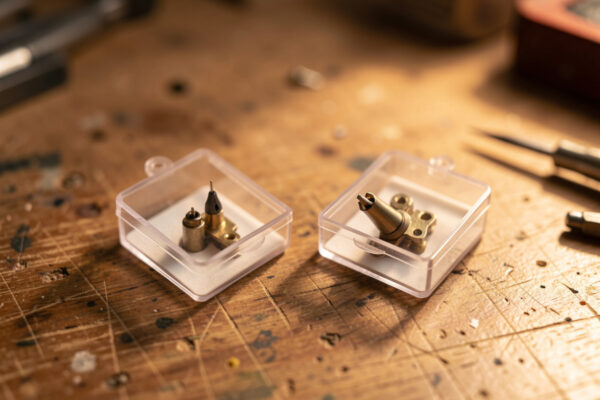
People say “replace the stylus” as if it is one decision. It is four. You can swap a user-replaceable stylus assembly, retip an existing cartridge, have the cartridge fully rebuilt, or buy a new cartridge outright. Each sits at a different price and a different level of fiddliness, and choosing wrong wastes either money or a good cartridge body.
The table below is how I frame the choice on the bench. It is deliberately about what you are paying for, not brand names — the economics carry across most moving-magnet and moving-coil cartridges I have worked on.
| Option | What changes | Typical cost band | Best when | Effort |
|---|---|---|---|---|
| Replace stylus assembly | New diamond, cantilever, and suspension clip on | Low ($30–$120) | MM cartridge with a user-replaceable stylus | 10 seconds, no tools |
| Retip | New diamond bonded to your existing cantilever | Medium ($150–$300) | Bonded-stylus MC or a cartridge you love | Ship it out, wait weeks |
| Rebuild | New cantilever and stylus, suspension re-tensioned | Medium-high ($250–$450) | A high-value cartridge with a bent or tired cantilever | Ship it out, wait weeks |
| New cartridge | Everything, including the body and generator | Varies ($75–$1,000+) | Cheap cartridge, or you want a different sound | Mount and align from scratch |
The full reasoning — including when a retip is a false economy and when a rebuild beats buying new — lives in retip vs new cartridge. If your cartridge takes a slide-in stylus, you may never need any of the shipping-out options; that is the happy path.
How long a stylus actually lasts
Real-world stylus life tracks the tip profile more than anything else, then your setup and cleanliness. A bonded conical is a small diamond glued to a metal shank — more mass, cruder contact — and I retire those around 500 hours. A nude elliptical typically gives 500–800 good hours. Line-contact profiles — Shibata, MicroLine, Gyger — ride deeper and share the load over a longer contact patch, so 1,000–1,500 hours is realistic if you track them properly.
“Properly” is doing a lot of work in that sentence. Tracking below the recommended force lets the tip skate and chatter, which wears faster and can damage records; tracking clean records at the right force is what gets you the top of the range. I do the math on how those hours translate to years for a normal listener — and why “change it every year” is bad advice for most people — in how long a phono stylus lasts. For the quick decision, my older piece on when to replace your stylus is the short version, and stylus profiles compared explains why the shapes wear so differently.
Do the arithmetic for yourself and the panic evaporates. One LP side is about 20 minutes, so an album is roughly 40 minutes, or two-thirds of an hour. Play a full album every single day and you burn about 240 hours a year. On a nude elliptical rated for 600–800 hours, that is three years of daily listening before the tip is due — and most people do not play an album a day. The “replace annually” advice sells styli; it does not reflect how the diamond actually wears. What I track instead of a calendar is a rough hours tally and, more importantly, the sound of my inner-groove test sides.
Retip and rebuild economics: when the math works
Retipping means a lab removes the old diamond and bonds a new one to your existing cantilever. Rebuilding goes further — new cantilever, new tip, and the rubber suspension re-tensioned so tracking and compliance come back to spec. Both exist because the expensive, hand-assembled part of a good cartridge is the generator inside the body, and that part is fine.
The math is simple once you know the body value. If a cartridge cost $90 new, a $200 retip makes no sense — buy new. If it cost $600 and the body is excellent, a $300 rebuild that restores it fully is the frugal move, and often you get a better tip profile than the original in the bargain. The trap is the middle: mid-priced cartridges where retip cost creeps close to replacement cost. I walk each band with numbers in retip vs new. This is also where the network’s spend-order philosophy applies — the same “spend it in the right order” logic I use for a whole system in the phono stage guide.
The non-obvious reason to retip a good moving-coil cartridge rather than replace it is consistency. A low-output MC is hand-assembled, and no two are truly identical off the line; when you have lived with one, aligned it, and dialed the loading on your phono stage to suit it, a rebuild hands you back the same generator with a fresh tip — the character you already tuned around, not a new lottery ticket. That is worth real money on a cartridge you know. It is also why the ship-it-out wait, usually a few weeks, is easier to stomach than it looks: you are restoring a known quantity, and a good lab will re-tension the suspension so compliance comes back to where it should be rather than the hardened state a decade of playing left it in.
Genuine vs aftermarket replacement styli
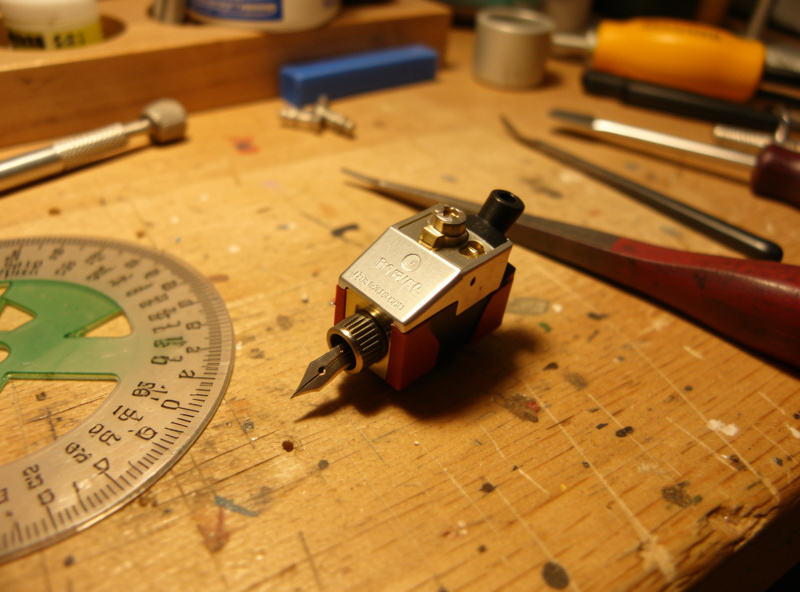
When a stylus assembly clips off, you can buy the maker’s genuine replacement or an aftermarket one that fits the same body. Aftermarket styli are not inherently unsafe — a well-made one with a correct cantilever and a real nude diamond tracks fine and will not eat your records. The risk is the cheap end: mismatched compliance, a heavier bonded tip where the original was nude, or a diamond that is not aligned true in its mount.
My rule is that the diamond and cantilever are where the money matters, so I will pay for a genuine or a reputable upgrade stylus and skip the no-name bargain that claims to be “compatible.” A bad aftermarket tip can track poorly enough to wear grooves, which defeats the whole point of saving $20. I go through how to tell a safe aftermarket stylus from a gamble in aftermarket vs genuine styli.
There is an upside to the aftermarket world worth naming: on some bodies you can buy an upgrade stylus — a nicer tip profile than the one that shipped — and clip it straight in. A cartridge that came with a bonded elliptical can often take a nude elliptical or even a line-contact stylus from the same family, and you get most of a cartridge upgrade for a fraction of the price without re-aligning anything, because overhang and azimuth are set by the body, which has not moved. That upgrade-by-stylus path is one of the genuine bargains in this hobby, and it only exists because the stylus and the body are separable parts. Just confirm the replacement is rated for your cartridge’s tracking-force window so the suspension compliance stays matched.
Break-in: what actually changes and what is myth
Something real does happen in the first several hours of a new cartridge: the rubber suspension that holds the cantilever is stiff when new and relaxes as it flexes, so compliance settles and tracking gets a touch more secure. That is measurable behavior, not imagination. What is myth is the audiophile folklore of “hundreds of hours of burn-in” transforming the sound — the generator does not change, and most of the perceived change past the first few hours is your ears adapting.
Practically, I set a new cartridge up carefully, play it for a handful of hours, and then recheck tracking force and anti-skate, because the settled suspension can shift the effective numbers slightly. I separate the real from the ritual in breaking in a new cartridge. It leans on the same gauge work as my anti-skate and VTA/SRA guides.
Can a worn stylus damage your records?
Short answer: yes, but not as fast or as dramatically as the internet claims. A moderately worn tip with a polished flat still rides the groove; it sounds worse before it does real harm. The genuine danger is a badly worn or chipped stylus, or any stylus tracking far too light so it bounces and chatters against the groove walls — that is what carves audible, permanent damage, especially on a record you play often.
The honest framing is risk management, not panic: keep the tip clean, track at the correct force, retire a stylus when the sibilance tells you to, and you will never damage a record. Play a visibly chipped diamond for another hundred hours “to be safe on money” and you can. I give the measured version — including what damage actually looks and sounds like versus mistracking — in can a worn stylus damage records.
The counterintuitive part that trips people up is that tracking too light damages records faster than tracking a touch heavy. Below the cartridge’s recommended force the tip cannot stay seated in the groove; on loud passages it loses contact, bounces, and slams back down against the groove walls at an angle it was never meant to hit. That mistracking is what shears off the fine detail in a groove permanently. A well-shaped tip tracking at the correct 1.8–2.0g does far less harm than a “gentle” 1.2g that chatters. So the record-safety lever is not “track as light as possible” — it is “track at spec, with a tip in good shape, on a clean record.” That is the whole game, and it is why I check force with a gauge rather than trusting the dial on the counterweight.
Spend it in the right order
If you take one thing from this hub, take the order of operations. Before you spend a cent on a new stylus, clean the record and clean the tip — a surprising number of “worn” cartridges are just gunked up, which I cover in the record cleaning guide and the piece on cleaning brushes. Then verify setup: tracking force, alignment, azimuth. Only when the record is clean and the setup is right does a persistent problem point to the diamond.
From there the decisions cascade: is it a replaceable stylus (cheap and instant) or a bonded one (retip, rebuild, or replace)? Is the body worth saving? Is a genuine stylus worth the premium over aftermarket? Every one of those forks has a dedicated spoke above. If you are choosing a cartridge from scratch rather than nursing an old one, start at the cartridge guide, decide MM vs MC, and shortlist from the best moving-magnet or moving-coil picks. And if wear diagnosis has you second-guessing your whole setup, the setup and calibration guide is the master reference.
A digital stylus-force gauge is the one tool I would not do any of this without — it is how you separate “worn” from “mistracking,” and it costs less than a night out. A basic 0.01g digital gauge is the single best $25 you can spend before you diagnose any wear problem. As an Amazon Associate I earn from qualifying purchases.
Related Guides
- How to Inspect a Stylus for Wear Without a Lab Microscope
- Stylus vs Cartridge: What You’re Actually Replacing
- Cartridge Retip vs New Cartridge: When Each Makes Sense
- How Long Does a Phono Stylus Last? Real-World Hours
- Breaking In a New Cartridge: What Changes and What’s Myth
- Can a Worn Stylus Damage Your Records? The Honest Take
- Replacement Stylus vs Genuine: Are Aftermarket Styli Safe?
Frequently Asked Questions
What are the first signs of a worn stylus?
Sound tells you first: sibilance on vocals gets spitty, high-frequency detail dulls, and loud or inner-groove passages start mistracking or going harsh. Those symptoms show up well before wear is visible, but clean the record and recheck tracking force and alignment first, because bad setup mimics wear.
How many hours does a phono stylus last?
It depends on tip profile: a bonded conical lasts around 500 hours, a nude elliptical 500 to 800, and a line-contact profile like Shibata or MicroLine 1,000 to 1,500 hours when tracked at the correct force on clean records. Tracking too light or on dirty records shortens all of these.
Is replacing the stylus the same as replacing the cartridge?
No. The stylus is the diamond, cantilever, and suspension; the cartridge is the whole body including the generator. On many moving-magnet cartridges the stylus assembly clips off and replaces in seconds, while the body lasts for decades. That distinction is often a $40 fix versus a $400 one.
Is retipping worth it or should I just buy a new cartridge?
It comes down to body value. Retipping or rebuilding makes sense on higher-value cartridges where the generator is the expensive part and only the diamond is worn. On cheap cartridges, a retip costs more than a new one, so replacement wins. The trap is mid-priced cartridges where the costs nearly meet.
Can a worn stylus damage my records?
A moderately worn stylus sounds bad before it harms records. Real damage comes from a badly worn or chipped diamond, or any stylus tracking far too light so it chatters in the groove. Keep the tip clean, track at the correct force, and retire it when sibilance appears, and you will not damage records.
Are aftermarket replacement styli safe to use?
Good aftermarket styli with a correct cantilever and a real nude diamond track fine and will not harm records. The risk is at the cheap end: mismatched compliance, a heavier bonded tip, or a diamond mounted off-true. Pay for a genuine or reputable upgrade stylus rather than the no-name bargain.