Retip when the cartridge body is worth more than the retip; buy new when it is not. That is the whole decision in one sentence, and it turns on a single number: what your cartridge body is worth. A retip costs roughly $150–$300, a full rebuild $250–$450. If your cartridge cost $90 new, that math never works. If it cost $600 and the generator is excellent, restoring it for $300 is the frugal, better-sounding move.
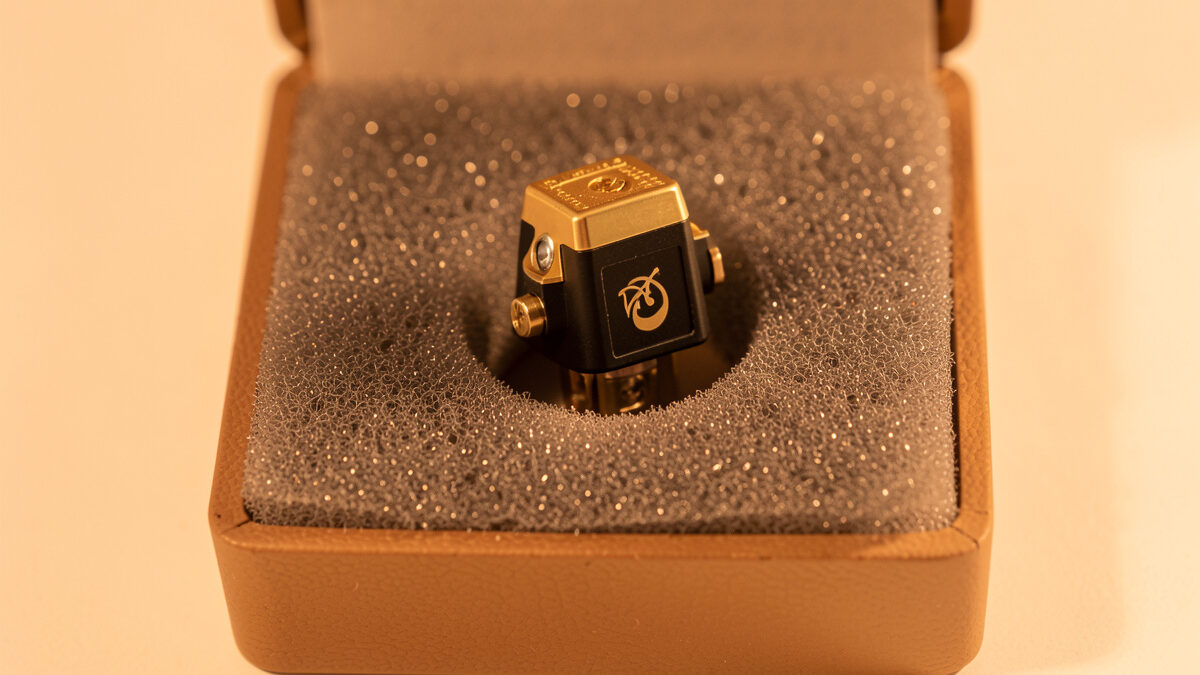
The reason this decision exists at all is that the expensive part of a good cartridge — the hand-wound generator inside the body — does not wear out. Only the diamond, cantilever, and rubber suspension age, and a lab can renew those on your existing body. So retipping is not sentimentality; on the right cartridge it is the cheaper path to the same or better sound. Here is how I actually run the numbers on the bench.
Retip vs rebuild: they are not the same
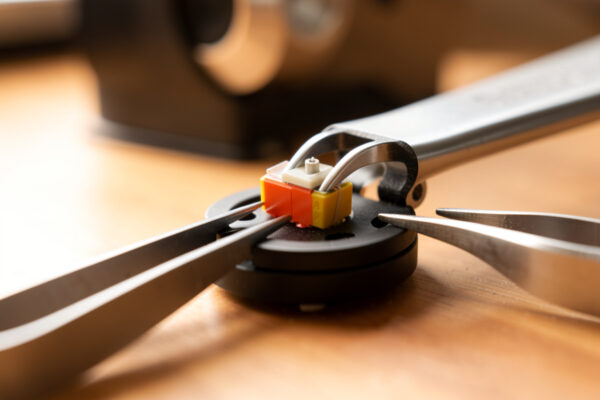
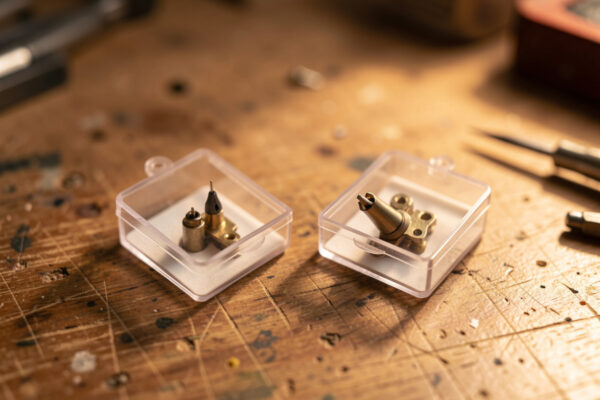
People use these words loosely, so let me pin them down. A retip removes the old diamond and bonds a new one to your existing cantilever. It is the cheaper service, and it makes sense when the cantilever is straight and the suspension is still healthy — you are only renewing the worn diamond. A rebuild goes further: new cantilever and new tip, with the suspension re-tensioned back to spec. That is what you want when the cantilever is bent or the rubber has hardened over years.
Choosing wrong wastes money in both directions. Pay for a full rebuild when a retip would do and you overspent; get a cheap retip on a cartridge whose suspension is shot and it will still track badly because the underlying problem was never the diamond. This is exactly why inspection matters first — my guide to inspecting a stylus for wear covers how to tell a worn diamond from a tired suspension, which decides which service you actually need.
The number that decides it: body value
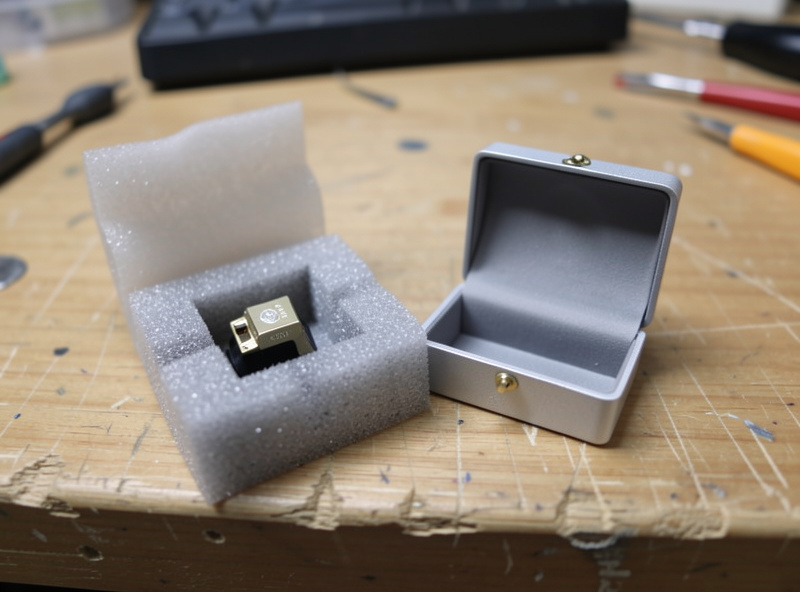
Everything hinges on what the body is worth. The clean way to think about it: compare the retip or rebuild cost against the cost of a new cartridge that would give you equal or better sound. If the retip is cheaper than that replacement and your body is in good shape, retip. If a new cartridge in the same class costs about the same or less, buy new and skip the shipping wait.
The table below is how the bands actually shake out. It assumes the body is undamaged — a cracked body or snapped pins changes everything and usually means replacement regardless.
| Cartridge cost new | Retip/rebuild cost | Verdict | Why |
|---|---|---|---|
| Under $150 | $150–$300 | Buy new | Service costs more than replacement |
| $150–$400 | $150–$300 | It depends | Compare closely; the trap zone |
| $400–$800 | $200–$350 | Usually retip/rebuild | Body value far exceeds service |
| $800+ | $250–$450 | Rebuild | Restores a known, expensive generator |
The trap is the middle band. A $250 cartridge with a $220 rebuild is a genuine coin-flip — new gets you a fresh body and no wait, a rebuild often gets you a better tip profile than the original. When it is that close I usually buy new for the convenience, unless the specific cartridge is something I love and want to keep.
One nuance that shifts the middle-band math: replacement cost is what a comparable cartridge costs today, not what you paid years ago. Cartridge prices climb, so a cartridge that was $250 when you bought it might cost $340 to replace with the current equivalent — and suddenly a $220 rebuild looks smart again. Check the live price of the modern version of your cartridge before you decide, because the number that matters is the real cost to get back to where you are, not the sticker in your memory.
The hidden upside of a rebuild: consistency
There is a reason people rebuild moving-coil cartridges they could just replace. A low-output MC is hand-assembled, and no two are exactly alike off the line — each has slightly different output, channel balance, and character. Once you have lived with one, aligned it, and dialed the loading on your phono stage to suit it, a rebuild hands you back the same generator with a fresh tip. You keep the character you already tuned around instead of rolling the dice on a new sample.
You can also upgrade the tip in the process. Sending a cartridge out with a worn elliptical and asking for a line-contact profile on the rebuild often gets you better tracking and longer life than the original spec — a genuine improvement, not just a restoration. That flexibility is part of why rebuilding a good cartridge can beat buying its modern equivalent.
What the wait and the risk really are
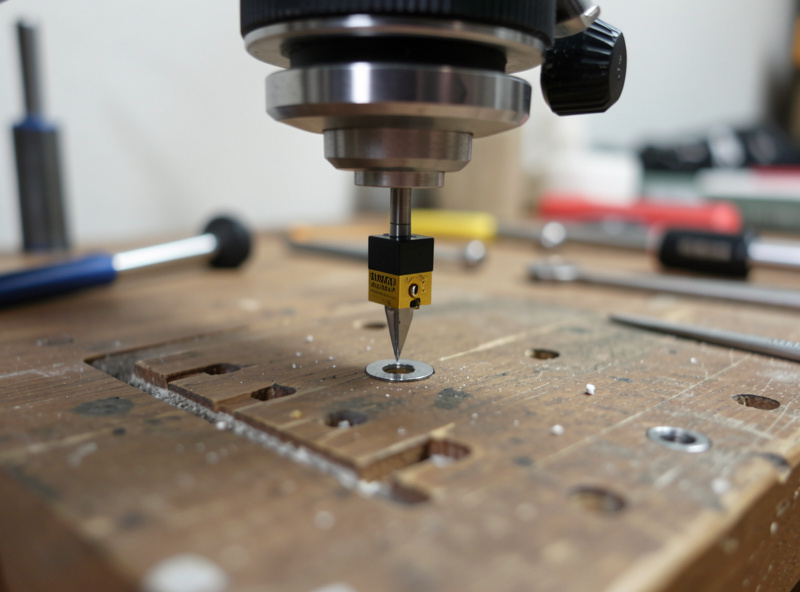
Retipping and rebuilding mean shipping your cartridge to a specialist and waiting — often a few weeks, sometimes longer during busy periods. For a lot of people that is the deciding factor: if the turntable is your daily music source, weeks without a cartridge is a real cost, and a new stylus or cartridge you can fit today wins on convenience alone.
There is also a small risk in shipping something delicate, though reputable labs pack and handle these constantly. My rule is to only send out cartridges where the body value clearly justifies it, and to keep a cheap backup cartridge on a spare headshell so the deck is never down. If you do not have a backup, factor a modest one into the decision — a $60 moving-magnet on a second headshell keeps you playing records while your good cartridge is out for a rebuild.
Choose the service on reputation, not price alone. The retip and rebuild world has a handful of well-regarded specialists and a lot of noise, and the quality of the diamond, the accuracy of the mounting, and the suspension work vary enormously. A cheap retip with a poorly aligned generic diamond can leave you with a cartridge that tracks worse than the worn one you sent in. This is craftsmanship you are paying for, so read what other owners of your specific cartridge say about who they trust, and treat a suspiciously cheap quote as a warning rather than a bargain.
When new is simply the better call
Buy new without hesitation when the cartridge is inexpensive, when the body is physically damaged, or when you want a genuinely different sound — a move from moving-magnet to moving-coil, or a profile your current body cannot accept. New also makes sense if you have been meaning to upgrade anyway; a worn stylus is a natural moment to step up, and the cartridge guide, MM vs MC comparison, and moving-coil shortlist are where I would point you.
The thing to avoid is the reflexive “just buy a new cartridge” that bins a $500 body over a worn diamond. That is throwing away the expensive part to replace the cheap one. Run the body-value number first, weigh the wait against the savings, and the right answer usually falls out cleanly. For the full lifecycle this sits inside, the stylus and cartridge wear hub is the map, and stylus vs cartridge covers the cheaper clip-on path when your cartridge offers it.
Related Guides
- Stylus and Cartridge Wear: The Complete Guide
- Stylus vs Cartridge: What You’re Replacing
- How to Inspect a Stylus for Wear
- How Long Does a Phono Stylus Last?
- Best Moving Coil Cartridges
Frequently Asked Questions
Is retipping a cartridge worth it?
It is worth it when the cartridge body is worth more than the retip. A retip runs $150 to $300 and renews only the diamond. On a $500-plus cartridge with a good generator that math is clearly favorable. On a cartridge under $150 the service costs more than a new one, so replacement wins.
What is the difference between a retip and a rebuild?
A retip bonds a new diamond to your existing cantilever and suits a cartridge whose cantilever and suspension are still healthy. A rebuild replaces the cantilever and tip and re-tensions the suspension, which you need when the cantilever is bent or the rubber has hardened with age. Rebuilds cost more but restore more.
How much does it cost to retip a cartridge?
A retip typically costs $150 to $300 and a full rebuild $250 to $450, depending on the tip profile and the service. Compare that against the price of a new cartridge that would sound as good. If the service is cheaper and your body is undamaged, restoring it is the better value.
How long does retipping take?
Expect a few weeks, sometimes longer during busy periods, because the cartridge ships to a specialist and back. If your turntable is your main music source, keep a cheap backup cartridge on a spare headshell so the deck stays usable while your good cartridge is out for service.
Can a rebuild improve on the original cartridge?
Yes. You can request a better tip profile than the original, such as a line-contact diamond in place of a worn elliptical, which often improves tracking and lifespan. A rebuild also returns the same hand-assembled generator you already tuned your setup around, so you keep its character rather than rolling the dice on a new sample.
When should I just buy a new cartridge?
Buy new when the cartridge is inexpensive, the body is physically damaged with cracks or bent pins, or you want a different sound such as moving from magnet to coil. New also makes sense when you were planning to upgrade anyway, since a worn stylus is a natural moment to step up a tier.