A phono stylus lasts roughly 500 to 1,500 hours depending almost entirely on its tip profile. A bonded conical is done around 500 hours, a nude elliptical gives 500 to 800, and a line-contact profile like Shibata or MicroLine runs 1,000 to 1,500 hours when you track it correctly on clean records. For most people playing an album a day, that is anywhere from two to six years — not the “replace every year” the internet repeats.
The hours number is the headline, but it is an average that your habits move a lot. Tracking force, record cleanliness, and how much you actually play decide where in the range you land. So instead of watching a calendar, I track a rough hours tally and, more reliably, listen for the sound of wear. Here is how the real-world lifespan breaks down and how to translate hours into years for your own listening.
Tip profile is the biggest factor
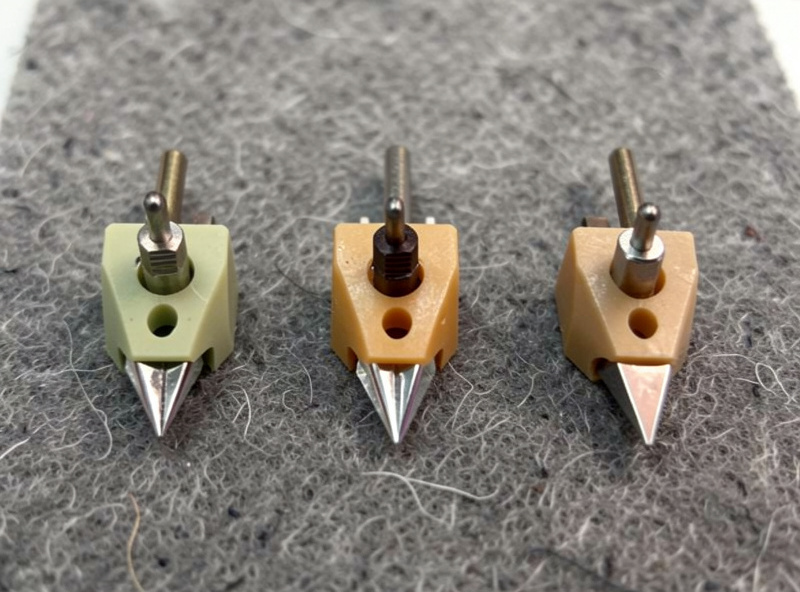
The shape of the diamond decides its life more than anything else, because shape decides how the contact load is spread. A conical tip touches the groove over a small, rounded area, so it wears fast — and a bonded conical, where the diamond is glued to a metal shank, carries more mass and wears faster still. An elliptical touches over a narrower, more precise edge and lasts a bit longer. Line-contact profiles — Shibata, MicroLine, Gyger, Fine Line — ride deep in the groove and share the load over a long, thin contact patch, so they last the longest.
That is why the same “hours” number is meaningless without the profile attached. I break the shapes down fully in stylus profiles compared, but the short version is that spending up for a better tip profile buys you both better sound and more hours — one of the few genuine two-for-one upgrades in analog.
| Tip profile | Typical life | Years at an album a day | Notes |
|---|---|---|---|
| Bonded conical | ~500 hours | ~2 years | Cheapest, wears fastest |
| Nude elliptical | 500–800 hours | 2–3 years | The common sweet spot |
| Line-contact (Shibata/MicroLine) | 1,000–1,500 hours | 4–6 years | Best life and detail, needs good setup |
Doing the math: hours into years
The panic around stylus life comes from thinking in years without doing the arithmetic. One LP side is about 20 minutes, so a full album is roughly 40 minutes, or two-thirds of an hour. Play a whole album every single day and you burn about 240 hours a year. On a nude elliptical rated for 600 to 800 hours, that is close to three years of daily listening before the tip is due — and honestly, most people do not manage an album every day.
Run the numbers for a more typical listener — a few albums a week — and an elliptical easily lasts four or five years, a line-contact profile the better part of a decade. The “change your stylus every year” advice sells styli; it does not describe how the diamond wears. What I actually track is a loose hours estimate plus the sound, which never lets me over- or under-shoot. For the quick version, my older piece on when to replace your stylus is the short answer.
If you want to keep a real tally without any effort, a simple approach works: estimate your weekly listening once, honestly, then multiply. Two albums a week is about 70 hours a year; a record most evenings is closer to 200. Jot the mount date somewhere and you can always ballpark the hours by the calendar. I do not obsess over it — the estimate just tells me roughly which third of the profile’s life I am in, so a sudden change in sound at, say, year four on an elliptical reads as “probably wear” rather than a mystery. The number frames the listening; it does not replace it.
What shortens stylus life
Three things eat hours faster than the profile alone. First, tracking force that is too light: below the recommended range the tip skates and chatters in the groove, which wears the diamond faster and can damage records — heavier-but-in-spec is gentler than featherlight. Set it with a gauge, not the counterweight dial, as I cover in tracking force adjustment. Second, dirty records: grit is an abrasive, and every speck you drag through the groove polishes the diamond. Clean records are the cheapest way to extend stylus life, which is the whole point of the record cleaning guide.
Third, dirt on the tip itself and bad alignment. A felted ball of dust on the diamond changes the contact geometry and accelerates wear, and a misaligned cartridge loads the tip unevenly so one edge wears out early. Keep the tip clean, track at spec, align on a protractor, and play clean records — do those four things and every profile lands at the top of its range.
Put a value on it and the case for care is obvious. A line-contact stylus can cost several times what a conical does, and dirty records or a chattering light tracking force can halve its life — so a $20 carbon-fiber brush and a proper cleaning routine effectively protect a much more expensive diamond. That is the same spend-in-the-right-order logic I apply across the whole system: the cheap habit protects the costly part. A record you would not eat off is a record that is sanding your stylus, and the tip always loses that fight over enough plays.
The second clock: age, not just hours
Hours played is one clock; years elapsed is the other, and people forget the second one. The rubber suspension behind the cantilever hardens with time and exposure to air and light whether you ever play the cartridge or not. A stylus that sat in a drawer for fifteen years can look flawless under a microscope and still track badly, because the compliance has drifted stiff and the effective force at the tip is now wrong. That is why “new old stock” styli are a gamble and why a low-hour but old cartridge is not automatically fine.
Practically, this means a stylus you barely play does not last forever in calendar terms. If a cartridge is a decade old and tracking has gone off even though you have put few hours on it, suspect the suspension rather than the diamond — and that is a rebuild question, not a simple stylus swap. For a daily-driver cartridge you play regularly, the hours clock will almost always run out before the age clock matters. It is the occasional-use and long-stored cartridges where age becomes the limiting factor.
How to know your stylus is actually done
Hours are a guide, not a verdict — the real signal is the sound. A stylus at the end of its life makes vocals sibilant and splashy, dulls the high-frequency air, and starts mistracking loud or inner-groove passages, worst near the label. When that shows up across many records — not just one — and survives a clean record and correct setup, the diamond is done regardless of what your hour count says.
The reverse is also true: a low-hour stylus that suddenly sounds bad is almost always dirt or a knocked setting, not wear. That is why I pair the hours estimate with a listen and a look under a loupe — the full method is in how to inspect a stylus for wear. When it is genuinely time, decide between a clip-on replacement stylus and a retip or new cartridge, all mapped out in the wear hub.
Related Guides
- Stylus and Cartridge Wear: The Complete Guide
- How to Inspect a Stylus for Wear
- Stylus Types Compared
- When to Replace Your Stylus
- Tracking Force Adjustment Guide
Frequently Asked Questions
How many hours does a phono stylus last?
Between about 500 and 1,500 hours depending on tip profile. A bonded conical lasts around 500 hours, a nude elliptical 500 to 800, and a line-contact profile like Shibata or MicroLine 1,000 to 1,500 hours. Correct tracking force and clean records push you to the top of each range.
How many years is that in real listening?
An album a day burns about 240 hours a year, so an elliptical lasts roughly two to three years of daily play and a line-contact profile four to six. Most people play a few albums a week, which stretches those figures to four or five years for an elliptical and nearly a decade for line-contact.
Should I replace my stylus every year?
No, for most listeners that is far too often and mainly sells styli. The diamond wears by hours played, not by the calendar. Track a rough hours estimate and, more importantly, listen for sibilance and inner-groove harshness across many records. Replace when the sound tells you, not on an annual schedule.
What makes a stylus wear out faster?
Tracking force set too light so the tip chatters, dirty records that act as an abrasive, a dust-fouled tip, and poor alignment that loads one edge of the diamond. Fix all four and any profile reaches the top of its rated life. Tracking in spec, even slightly heavy, is gentler than featherlight.
How do I know when my stylus is worn out?
Listen for sibilant, splashy vocals, dulled highs, and mistracking on loud or inner-groove passages, worst near the label and repeating across many records. If that survives a clean record and correct setup, the diamond is worn regardless of hour count. Confirm with a loupe or USB microscope before replacing.