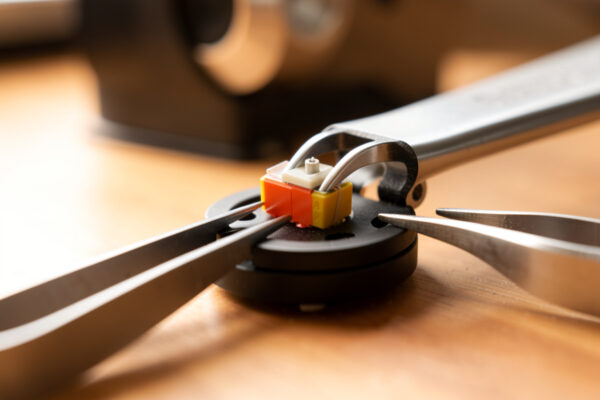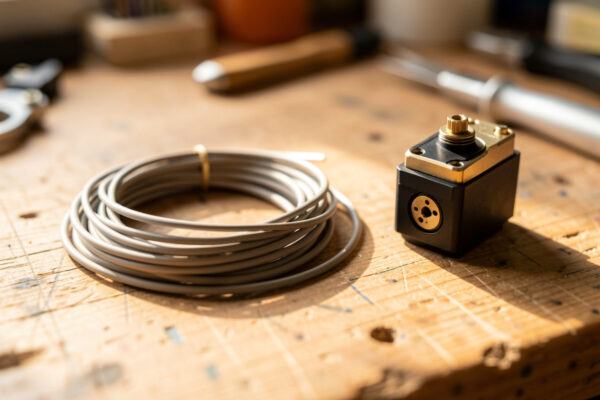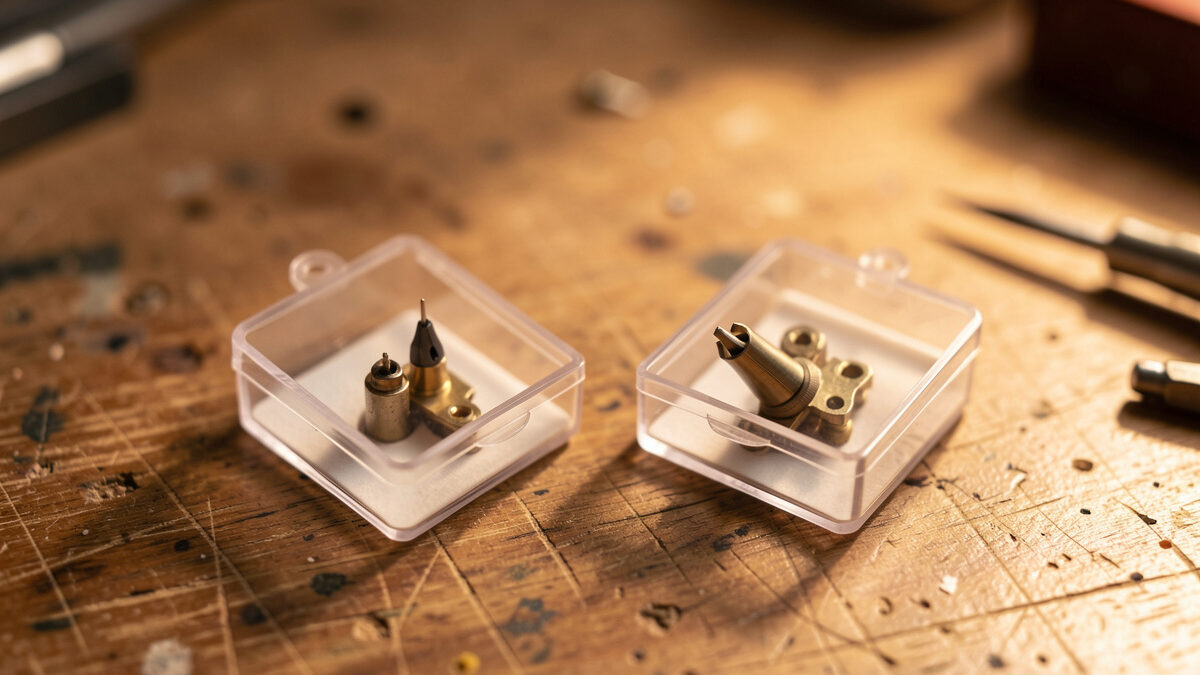
Good aftermarket styli are safe; cheap ones are a gamble. A well-made replacement with a correct cantilever and a real nude diamond tracks fine and will not harm your records — and it can cost 40–60% less than the genuine part. The risk lives at the bottom of the market: no-name styli with mismatched compliance, a heavier bonded tip where the original was nude, or a diamond mounted off-true. The diamond and cantilever are where the money matters, so that is where I refuse to cut corners.
“Aftermarket” is not a synonym for “bad” any more than “genuine” is a guarantee of value. There is a whole tier of reputable aftermarket makers producing styli as good as or better than the originals, and there is a floor of throwaway parts that will track poorly and can wear grooves. The skill is telling them apart. Here is how I decide when an aftermarket stylus is a smart saving and when the genuine part is worth every cent.
What “aftermarket” actually means
When your cartridge has a user-replaceable stylus, the front assembly — diamond, cantilever, suspension, and the plastic body that clips on — can be made by the original manufacturer (genuine) or by a third party that copies the fitment (aftermarket). Both clip onto the same cartridge body. The generator in your cartridge does not care who made the stylus, as long as the mechanical and compliance match is correct.
That last clause is everything. A stylus assembly has to match your cartridge’s mounting shape, tracking-force window, and intended compliance, or it will physically fit but track badly. Genuine parts match by definition. Good aftermarket makers match carefully and often offer upgrade profiles the original never did. Bad ones just make something that clicks on. The difference is invisible on a product page and very audible on a record, which is why reputation matters more than price here — a theme I keep returning to in the wear hub.
Where aftermarket is a genuinely smart buy
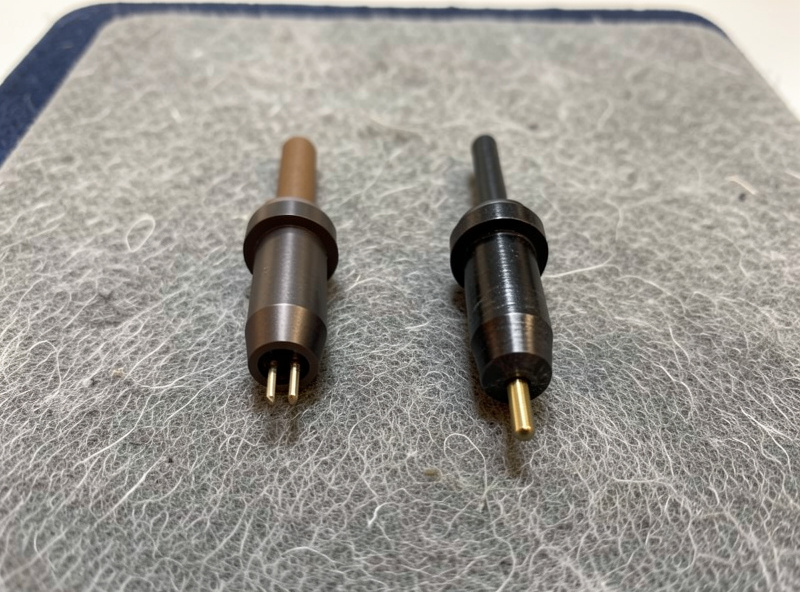
The best reason to go aftermarket is the upgrade path. Many bodies that shipped with a modest bonded elliptical can accept a nicer nude elliptical or even a line-contact profile from a reputable aftermarket maker — and because overhang and azimuth are set by the body, which does not move, you clip it in with no realignment and get most of a cartridge upgrade for a fraction of the price. That is one of the real bargains in analog, and it only exists because the stylus is a separable part.
Aftermarket also rescues cartridges the original maker no longer supports. Plenty of excellent vintage bodies have long-discontinued genuine styli, and a good aftermarket assembly is the only way to keep them playing — relevant if you run anything from the vintage turntable world. In both cases the rule is the same: buy from a maker with a real reputation for correct diamonds and cantilevers, not the cheapest listing that claims compatibility. If you are shopping a replacement stylus, searching for your cartridge’s specific replacement stylus and reading the profile and diamond description carefully is how you avoid the junk tier. As an Amazon Associate I earn from qualifying purchases.
Genuine vs aftermarket: how they compare
The honest comparison is not “genuine good, aftermarket bad” — it is about matching, diamond quality, and what you are trying to achieve. This is how the two stack up on the things that actually affect sound and record safety.
| Factor | Genuine | Reputable aftermarket | Cheap aftermarket |
|---|---|---|---|
| Compliance match | Exact | Usually correct | Often mismatched |
| Diamond quality | As specified | Real nude/upgrade tips available | Bonded, sometimes off-true |
| Upgrade profiles | Rarely | Frequently offered | No |
| Record safety | Safe | Safe | Risk of poor tracking |
| Price | Highest | Mid | Lowest |
Read that table and the strategy writes itself: reputable aftermarket often wins on value and sometimes on outright performance, genuine is the safe default when you cannot vet the alternative, and the cheap tier is the only real “unsafe” column. The money should follow the diamond and the cantilever, because those are the parts touching your records.
How to vet an aftermarket stylus
A few checks separate a smart buy from a gamble. First, does the listing specify the diamond — nude or bonded, and the profile (conical, elliptical, line-contact)? A seller who cannot tell you what the tip is does not know or does not want you to. Second, is the tracking-force range stated and does it match your cartridge? A mismatch there means poor tracking regardless of diamond quality. Third, does the maker have a real reputation, or is it an anonymous listing with only a price to recommend it?
Fourth, and this catches people out: a genuine-looking price is not proof of a genuine part, and a very low price is a reliable warning. A real nude diamond on a properly matched cantilever costs money to make; a $12 “compatible” stylus is almost certainly a cheap bonded tip that will sound dull and may track badly enough to wear grooves. When in doubt on a cartridge you care about, buy genuine or a well-known upgrade stylus and skip the bargain-bin listing entirely — the same caution I apply before any retip or rebuild decision.
Why compliance mismatch is the real hidden risk
Diamond quality gets all the attention, but compliance is the quieter way a cheap stylus goes wrong. Compliance is how freely the cantilever’s suspension lets it move, and it has to suit both your cartridge’s design and your tonearm’s mass. A replacement built to a different compliance than the original will fit the same body and still track badly — the arm and cartridge resonance lands in the wrong place, bass gets woolly or the tip mistracks on warps. You cannot see this on a listing, and a bargain maker rarely states it.
Genuine parts sidestep the problem because they are built to the original spec. Reputable aftermarket makers publish or match the compliance so the replacement behaves like the original or an intended upgrade. The cheap tier simply ignores it, which is a big part of why those styli underperform even when the diamond looks acceptable. If you have ever fitted a “compatible” stylus and found the sound oddly loose or unsettled, mismatched compliance rather than the diamond is often the culprit — and it interacts with everything from tracking force to anti-skate.
The bottom line on safety
Aftermarket styli are not inherently dangerous to your records — a well-made one tracks as safely as a genuine part. The danger is specific and avoidable: a cheap tip with the wrong compliance or an off-true diamond that mistracks, and mistracking is what actually wears grooves. So the safety question is really a quality question, and quality is knowable from the diamond spec, the force match, and the maker’s reputation.
Buy a reputable stylus that matches your cartridge, set it up correctly, and whether it says “genuine” on the box is a value decision, not a safety one. Cut to the cheapest listing with no diamond spec and you are gambling with your records to save a few dollars — the worst trade in the hobby. For where this fits the whole lifecycle, the stylus and cartridge wear hub is the map, stylus vs cartridge explains the clip-on path, and how long a stylus lasts tells you when to replace in the first place.
Further Reading
- Stylus and Cartridge Wear: The Complete Guide
- Stylus vs Cartridge: What You’re Replacing
- Cartridge Retip vs New Cartridge
- Stylus Types Compared
- How to Inspect a Stylus for Wear
Frequently Asked Questions
Are aftermarket replacement styli safe for my records?
A well-made aftermarket stylus with a correct cantilever and a real nude diamond tracks as safely as a genuine part and will not harm records. The risk is at the cheap end: mismatched compliance, a heavier bonded tip, or a diamond mounted off-true, which can mistrack and wear grooves. Buy on reputation, not price.
Is a genuine stylus always better than aftermarket?
Not always. Genuine parts match your cartridge exactly and are the safe default, but reputable aftermarket makers often offer real nude diamonds and upgrade profiles the original never did, sometimes outperforming the genuine part for less. Only the cheap, unbranded tier is reliably worse. Judge by the diamond spec and maker reputation.
Can an aftermarket stylus upgrade my cartridge?
Yes, often. Many bodies that shipped with a bonded elliptical can accept a nicer nude elliptical or line-contact aftermarket stylus. Because overhang and azimuth are set by the body, you clip it in with no realignment and get most of a cartridge upgrade for a fraction of the price. It is one of analog’s real bargains.
How do I tell a good aftermarket stylus from junk?
Check three things: does the listing specify the diamond type and profile, does the stated tracking-force range match your cartridge, and does the maker have a real reputation? A seller who cannot tell you the diamond spec, or a suspiciously low price, is a warning. A real nude diamond on a matched cantilever costs money to make.
Why is a cheap replacement stylus risky?
A very low price usually means a bonded tip that may be mounted off-true and a cantilever with the wrong compliance for your cartridge. That combination tracks poorly, and poor tracking is exactly what wears grooves. Saving a few dollars on the part touching your records is the worst trade in the hobby.