Does cleaning remove surface noise? Honestly, it removes one kind completely and does nothing for the rest. Cleaning eliminates dust, dirt, and static-attracted debris — which is the most common cause of surface noise — but it cannot touch pressing defects, physical scratches, groove wear, or electrical hum. On the used records I clean, dust and static account for the bulk of the crackle — a proper wet clean routinely takes a thrift find from a wall of noise down to one or two ticks per side. If your noise is dust, cleaning is transformative; if it is anything else, you will be disappointed.
This is the honest answer the internet usually skips. “Just clean your records” is repeated everywhere as a cure-all, and it sets people up to fail when they scrub a disc whose noise is a stamper flaw or a worn stylus and hear no improvement. Cleaning is not a magic reset button — it is a specific fix for a specific problem. Knowing what it can and cannot do saves you from both false hope and from giving up on cleaning that would genuinely help.
What Cleaning Genuinely Fixes
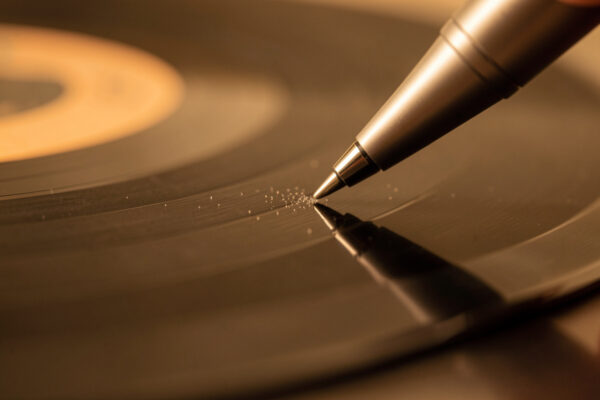
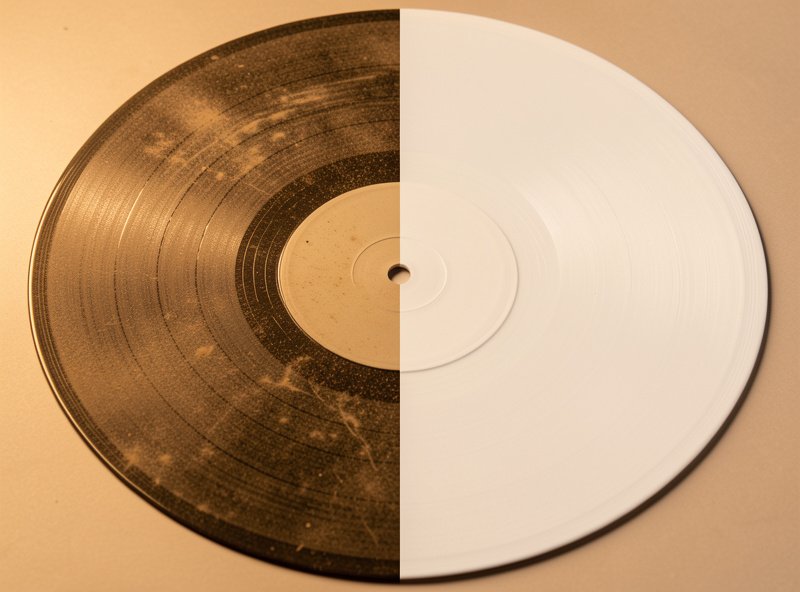
Cleaning removes anything sitting on the record rather than cut into it: dust in the grooves, fingerprint oils, mold-release residue on new records, general grime on used records, and the static charge that keeps pulling fresh dust back in. Because dust and static are the single most common cause of surface noise, a proper clean produces a genuinely dramatic drop in crackle on most noisy records — the kind of improvement that makes people evangelical about record cleaning.
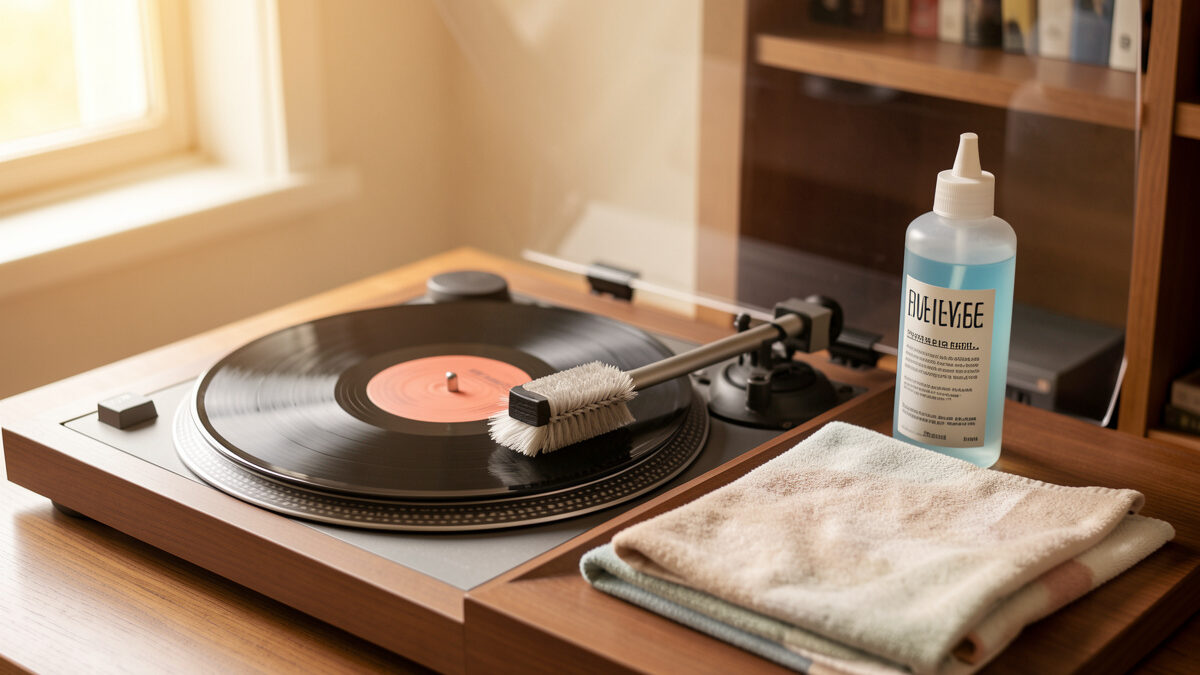
The key is doing it properly. A dry brush before each play maintains a clean record but does not deep-clean a dirty one; for that you need a wet clean with fluid and lint-free cloths, or for badly contaminated discs an ultrasonic or vacuum machine. A quick wipe with a dry cloth actually redistributes dust and can add static, which is why people who “cleaned it and it didn’t help” often just smeared the problem around. My full record cleaning guide covers the method, and cleaning used records handles thrift-find mold and grime. This whole question sits inside the broader surface-noise diagnosis.
What Cleaning Cannot Fix
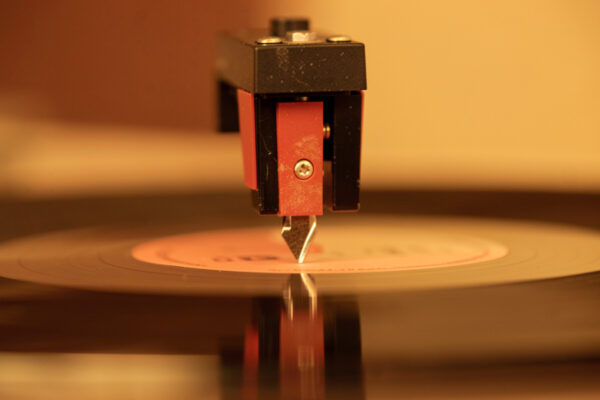
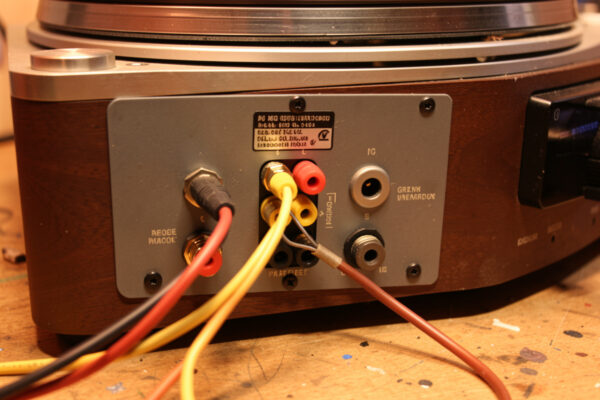
Cleaning does nothing for noise that is part of the record’s physical structure or lives in your electronics. Pressing defects — non-fill, stamper ticks, warps — are molded into the vinyl and survive any wash. Scratches and gouges are cut into the groove; cleaning removes debris caught in a scratch but not the scratch itself. Groove wear from years of play or a worn stylus is permanent deformation. And hum, hiss, and rumble are electrical or mechanical, so no amount of cleaning the record touches them.
This is why diagnosis before cleaning matters. If the noise is rhythmic — a tick every 1.8 seconds — it is a scratch and cleaning will not help. If it is a steady hum or hiss present with the arm lifted, it is electrical. If it is a gritty rasp on a new record that survives a wash, it is a pressing defect. Cleaning a record whose noise comes from any of these is effort spent on the wrong fix — the record may need cleaning anyway, but it will not solve the noise you were chasing.
What Cleaning Fixes vs What It Doesn’t
Here is the split laid out plainly. Match your noise to the left column and the right two tell you whether a clean will help.
| Noise Source | Removed by Cleaning? | What Actually Fixes It |
|---|---|---|
| Dust in the groove | Yes — fully | Wet clean, then brush before each play |
| Static-attracted debris | Yes | Clean plus anti-static sleeves & brush |
| Fingerprint oils / grime | Yes | Wet or ultrasonic clean |
| Mold-release residue (new records) | Yes | One wet clean before first play |
| Pressing defect (non-fill, stamper tick) | No | Exchange the record |
| Scratch / gouge | No | Nothing; play through or replace |
| Groove wear | No | Replace the record; fix worn stylus |
| Hum / hiss / rumble | No | Grounding, phono match, isolation |
Setting Realistic Expectations
Even a perfectly cleaned record is not digitally silent, and expecting silence is the fastest route to disappointment. A clean record on a well-set-up deck has a low, even noise floor that sits below the music — that is the nature of an analog groove, not a fault. The goal of cleaning is to remove the intrusive noise (the constant crackle, the dust pops) and leave that quiet background, not to achieve a dead-black silence the format cannot produce.
On a used record, the realistic outcome is often “much better, not perfect.” Cleaning strips away everything removable — the dust, the grime, the static — and what remains is the disc’s true physical condition: any wear or damage baked in during its previous life. I regularly take a noisy thrift find from a wall of crackle down to a quiet record with one or two permanent ticks, and that is a win. Judge cleaning by how much removable noise it removes, not by whether it makes a scratched record sound new.
How to Get the Most From Cleaning
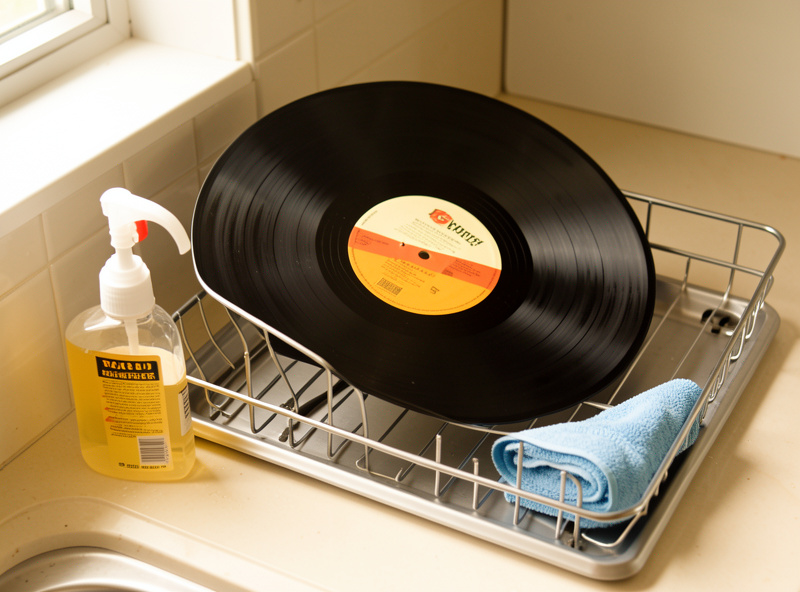
To maximize what cleaning can do, match the method to the record’s condition. A lightly dusty record needs only a carbon-fiber brush before play. A grubby or secondhand record needs a full wet clean with proper fluid and lint-free cloths. A filthy or moldy thrift find justifies an ultrasonic or vacuum machine, which pulls embedded grime that hand cleaning cannot reach. Escalating the method to the dirt level is how you get the full benefit without wasting effort — or damaging a record with an over-aggressive approach it did not need.
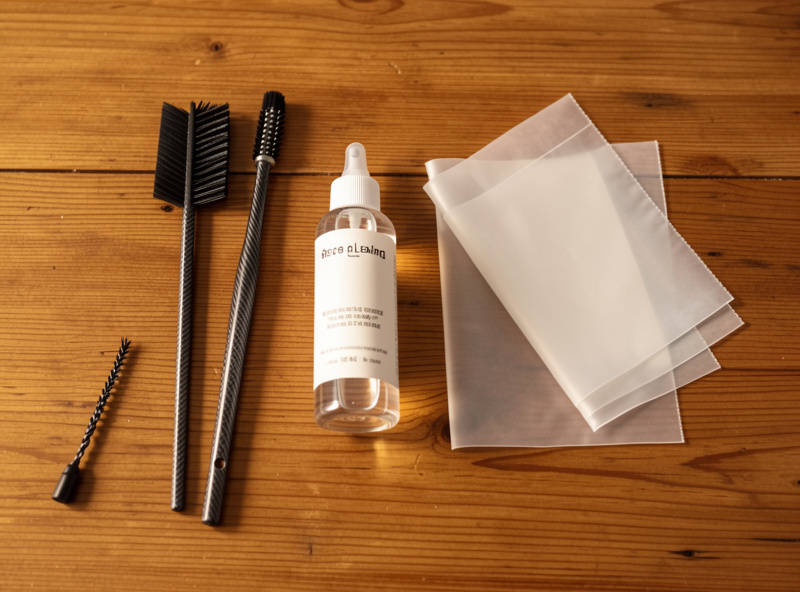
Then keep records clean so you are not re-cleaning constantly: anti-static inner sleeves instead of bare paper, a brush pass before every side, handling by the edges, and a dust cover on the deck. Static control matters as much as the clean itself, because a charged record undoes your work within minutes. A basic cleaning kit and good sleeves are the cheapest, highest-return upgrade in all of vinyl. A record cleaning kit with fluid, brush, and cloths pays for itself the first time it rescues a “ruined” disc. As an Amazon Associate I earn from qualifying purchases.
Frequently Asked Questions
Does cleaning remove surface noise from vinyl?
It removes surface noise caused by dust, dirt, grime, and static — the most common cause — completely. It does nothing for pressing defects, scratches, groove wear, or electrical hum and hiss, because those are cut into the record or live in your electronics rather than sitting on the surface.
Why didn’t cleaning my record reduce the noise?
Either the noise is not dust — it could be a pressing defect, a scratch, groove wear, or an electrical fault that cleaning cannot touch — or the cleaning method was too light. A dry wipe redistributes dust; a proper wet or ultrasonic clean is needed to flush embedded particles from the grooves.
Can cleaning make a scratched record sound perfect?
No. Cleaning removes debris caught in a scratch but not the scratch itself, which is physical damage cut into the groove. A scratch that ticks once per revolution will still tick after cleaning. Cleaning helps only with the dust that may accompany the scratch, not the damage.
How clean can a used record actually get?
Usually much better but not perfect. Cleaning strips away all removable noise — dust, grime, static — and what remains is the record’s true physical condition, including any wear or damage from its previous life. A noisy thrift find often cleans down to a quiet record with one or two permanent ticks.
Should even a clean record have some noise?
Yes. A clean record on a well-set-up deck has a low, even noise floor that sits below the music — that is the nature of an analog groove, not a defect. The aim of cleaning is to remove intrusive crackle and pops, not to reach the dead silence of a digital source.
What cleaning method removes the most noise?
Match the method to the dirt. A carbon-fiber brush maintains a clean record; a wet clean with fluid and lint-free cloths handles grubby or used records; an ultrasonic or vacuum machine pulls embedded grime from filthy thrift finds. Escalating to the record’s condition removes the most noise without over-cleaning.
Related Guides
- Vinyl Surface Noise: Causes and How to Diagnose It by Ear
- How to Clean Vinyl Records: The Complete Guide
- How to Clean Used Records: Thrift Finds and Grime
- Loud Pops in Quiet Passages: Dust, Damage, or Both
- New Vinyl Sounds Noisy: Defect or Setup?