Wet cleaning is the single most effective thing you can do to a record, and almost everyone does it slightly wrong. Done right, it lifts the oils, fingerprints, and mold-release film that a dry brush cannot touch, dropping the noise floor on a record you thought was already clean. Done wrong, it spreads grime around or leaves residue that crackles worse than the dirt did. This is the method I use on every record that comes through my listening space, step by step, with the reasons behind each move.
The principle is simple: dissolve the contaminant, lift it off, and remove the fluid before it dries. Most mistakes come from skipping the third part. A record left to air-dry with cleaning fluid still in the groove just relocates the dirt as the water evaporates. The whole technique is built around getting the fluid and everything it lifted off the record completely.
Why Wet Cleaning Beats Dry Brushing
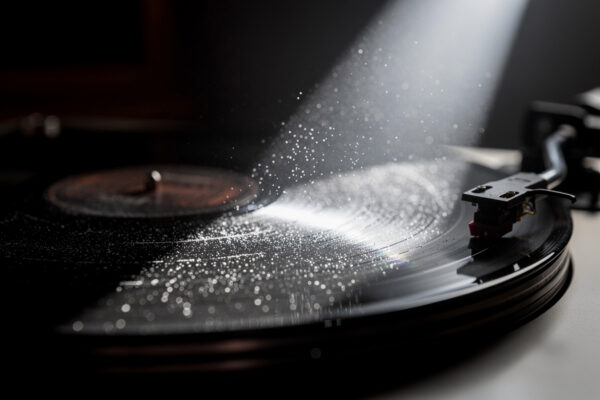
A carbon-fiber brush is for loose surface dust, and it does that job in ten seconds before every play. What it cannot do is touch anything stuck to the vinyl: skin oils from handling, the mold-release compound coating new pressings, smoke and grime on used records, or dried fingerprints. Those need a solvent to break their grip, and that is what a record-safe cleaning fluid provides. This is the difference between maintenance and an actual clean, and it is covered in the bigger picture in my complete record cleaning guide.
The payoff is immediate and audible. A new record straight out of the shrink, wet-cleaned once before its first play, comes up noticeably quieter because the manufacturing film is gone. On used records the difference can be dramatic, turning a crackly thrift find into a clean listen — the full protocol for cleaning used records, including mold and heavy grime, is its own guide. The grooves are physically the same; you have just removed what was sitting in them.
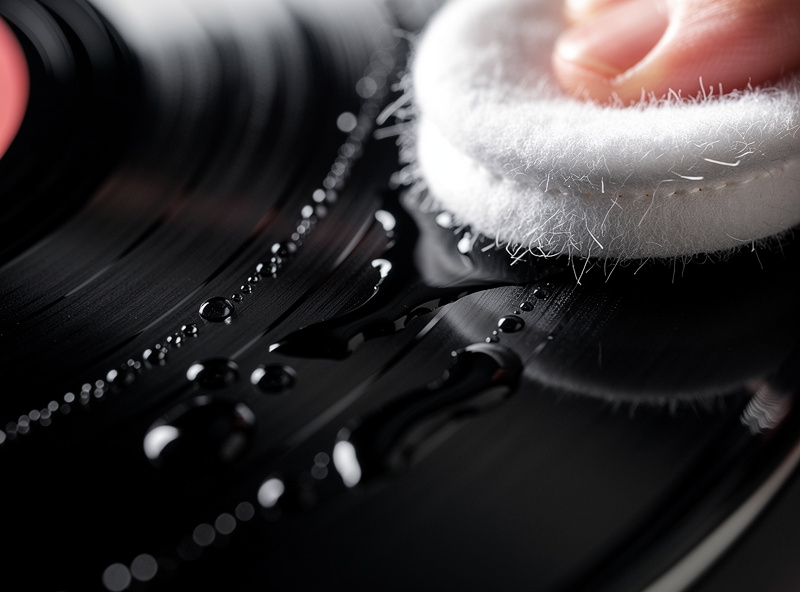
What You Need for Manual Wet Cleaning
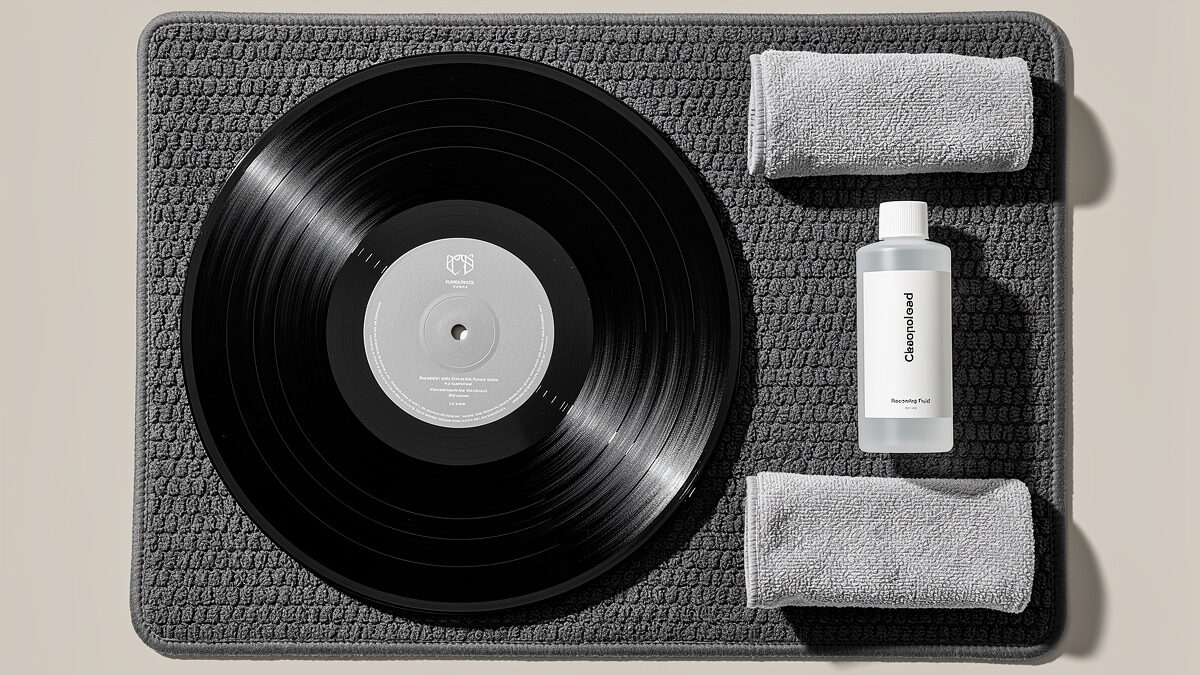
The kit is short and cheap. You need a record-safe cleaning fluid, a clean lint-free or microfiber applicator pad, distilled water for diluting or rinsing, and a way to dry the record without re-contaminating it. That is the whole list, and it costs less than a budget cartridge while doing far more for your sound. I keep all of it together so wet cleaning is a two-minute job rather than a project.
Fluid choice matters. A purpose-made record cleaning solution combines pure water, a surfactant to lift oils, and sometimes a little alcohol to speed drying. The applicator matters just as much: a soft microfiber record cleaning pad holds fluid and lifts grime without shedding fibers the way paper towels do. And the base of every good fluid is distilled water, because tap water leaves mineral residue in the groove that defeats the purpose.
As an Amazon Associate I earn from qualifying purchases. The cleaning supplies linked here are the kinds of products I keep on my own cleaning bench.
The Wet Cleaning Method, Step by Step
Here is the exact sequence I follow. It takes two to four minutes per record once it is routine, and every step has a reason. Skipping steps is where results suffer. For an even more granular walkthrough with handling details, my step-by-step cleaning guide covers the same ground from a beginner angle.
First, dry-brush the record to remove loose dust so you are not turning it into mud when the fluid goes on. Second, apply the fluid evenly across the playing surface, keeping it off the label. Third, work it gently into the grooves following the circular direction of the groove, never across it, using light pressure so the pad lifts rather than grinds. Fourth, and most important, remove the fluid completely before it dries, either by lifting it with a clean dry section of pad, vacuuming it off if you have a machine, or blotting and letting it finish drying upright. Fifth, let the record dry fully before sleeving, because trapping moisture invites mold. Only then does it go into a clean anti-static inner sleeve and onto the platter.
Always Work With the Groove, Never Across It
This is the detail that separates a clean record from a scratched one. The groove is a continuous spiral, and the stylus reads it in that direction. When you wipe in a circular motion following the groove, you move debris along the channel and out. When you wipe across the grooves, you push debris into the groove walls and can leave fine scratches that run perpendicular to the playback direction, which is exactly where they cause noise. Every pass I make follows the spiral, and so should yours.
Light pressure reinforces this. The fluid does the work of loosening contaminants; the pad only needs to lift them, not scrub them. Pressing hard does not clean better, it just increases the chance of dragging a stray particle across the surface. Let the chemistry do the cleaning and keep your hand gentle.
Drying Without Undoing Your Work
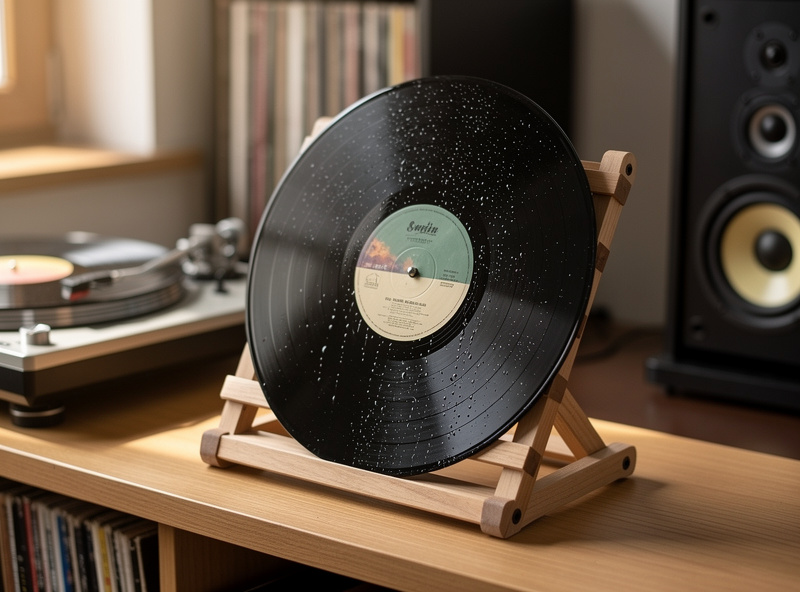
Drying is where careless wet cleaning falls apart. If fluid evaporates in the groove, the dissolved contaminants are deposited right back where they started, sometimes worse than before. The goal is to physically remove the fluid, not let it dry in place. A vacuum record-cleaning machine does this best, sucking the fluid and everything it lifted straight off. By hand, lift the bulk of the fluid with a clean dry pad section, then stand the record upright to finish drying in air so no moisture is trapped against a surface.
Never sleeve a damp record. Trapped moisture between a record and its sleeve is how mold gets started, which is a far bigger problem than the dust you set out to remove. Patience here costs you a couple of minutes and saves the record. When the machines that automate this drying step are worth it is exactly the question my best record cleaners roundup answers.
Wet Cleaning Approaches Compared
There is more than one way to wet-clean, and they trade cost against convenience and thoroughness. Here is how the common approaches compare. I use the manual method for one-off records and reach for a machine when a stack of dirty used records makes hand-drying tedious.
| Approach | Cost | Drying | Best For |
|---|---|---|---|
| Manual fluid + pad | Low | By hand / air | Most records, small collections |
| Manual + spin-clean bath | Low-Medium | Air dry | Batch washing on a budget |
| Vacuum machine | Medium-High | Vacuumed off | Repeatable results, larger collections |
| Ultrasonic | High | Air / fan | Deep groove grime, hands-off batches |
Wet Cleaning Mistakes to Avoid
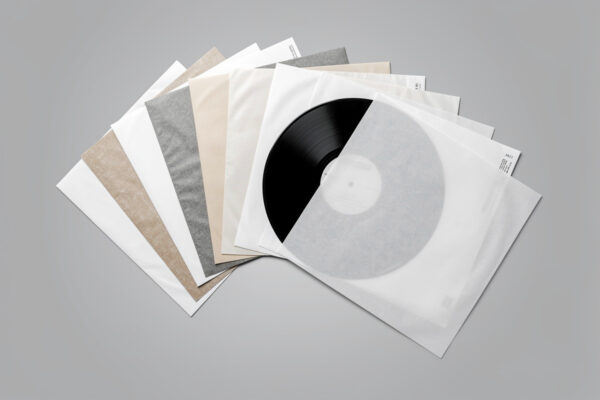
A few errors come up again and again. Using tap water instead of distilled leaves mineral residue. Letting fluid air-dry in the groove redeposits the dirt. Wiping across the grooves scratches. Using paper towels or tissues sheds fibers and hazes the surface. And re-sleeving into the shedding paper inner the record came in undoes the clean, which is why a fresh anti-static inner sleeve is part of the process, not an afterthought.
The other trap is harshness. Household cleaners, dish soap with additives, and straight isopropyl alcohol can attack vinyl or strip the label, and alcohol will destroy shellac 78s outright. Stick to record-safe fluids on standard LPs. A clean record correctly set up on a properly aligned cartridge sounds its best, so once your records are clean, dialing in tracking force and anti-skate is the natural next step.
Frequently Asked Questions
What fluid should I use to wet-clean records?
A purpose-made record-safe cleaning fluid built on distilled water with a surfactant to lift oils. Avoid tap water, household cleaners, and straight alcohol, which can leave residue or damage the vinyl and label.
Can I let a record air-dry after wet cleaning?
Only after you physically remove most of the fluid first. If fluid simply evaporates in the groove, it redeposits the dissolved dirt. Lift or vacuum the fluid off, then stand the record upright to finish drying before sleeving.
Which direction should I wipe a record?
Always follow the groove in a circular motion, never across it. Wiping across the grooves pushes debris into the walls and can leave scratches perpendicular to playback, which is exactly where they cause noise.
Do I need to wet-clean brand-new records?
Yes. New records carry mold-release compound and static from manufacturing. A single wet clean before the first play removes that film and noticeably lowers the noise floor on most new pressings.
Will wet cleaning remove scratches?
No. Wet cleaning removes dirt, oils, and film sitting in the groove. Scratches and pressing defects are physical damage to the vinyl that no cleaning can fix. Inspect under raking light to tell removable dirt from permanent marks.
Can I reuse my cleaning pad?
Yes, if you keep it clean. Rinse and dry the pad between sessions and replace it when it stops coming clean. A pad with dried grime in it just reapplies that grime to the next record.