Static is the reason a record you just cleaned looks dusty again within a minute. Vinyl is an insulator, and the friction of pulling it from a sleeve and dragging a stylus across it builds an electrical charge that pulls airborne dust straight onto the surface and into the groove. It also makes records cling to sleeves and crackle audibly. Beating static is half the battle of keeping records clean, and the good news is that most of the fixes are cheap and a couple are free. Here is how I keep static under control in a dry Nordic winter, which is about the worst case there is.
The single most useful thing to understand is that static is an environmental problem as much as a record problem. Treat the air and the storage, not just the disc, and the crackle and the dust both drop. Gadgets have their place, but they are the last layer, not the first. This guide works from the cheapest, most effective measures up to the specialized tools.
Why Records Build Static
Vinyl does not conduct electricity, so any charge it picks up has nowhere to go and simply sits on the surface. Friction is the main source: sliding the record in and out of its sleeve, and the stylus tracking the groove, both generate charge. Dry air makes it dramatically worse, because humidity normally lets charge dissipate into the air, and when the air is dry that escape route closes. This is why static is a winter problem in heated homes and far less of an issue in humid months. It is also why the dust seems to reappear instantly after cleaning, a point I make in the complete record cleaning guide.
The consequences are threefold: the charged record attracts dust that adds surface noise, it clings to its sleeve making handling awkward, and the discharge itself can produce audible crackle. All three trace back to the same charge, so anything that bleeds off or prevents that charge solves all three at once.
Humidity Does Most of the Work for Free
The most effective anti-static measure costs nothing if you already control your room: moderate humidity. When the air carries some moisture, static charge dissipates instead of building, so records pick up far less of it in the first place. In dry winter conditions a room humidifier in the listening space makes a bigger difference than any anti-static gadget, because it attacks the root cause rather than the symptom.
You are not trying to make the room damp, which would invite other problems for the records and the gear. A comfortable mid-range humidity is enough to let charge bleed away. A modest room humidifier during heating season is the highest-value anti-static purchase I can recommend, and it improves comfort for you too. This is the measure I lean on hardest in a Swedish winter.
The seasonal pattern is the giveaway. If your records crackle and grab dust from October through March and behave themselves in summer, you have a humidity problem, not a record problem, and no gadget aimed at the disc will fix the underlying cause. Raise the room humidity and the symptom largely disappears on its own. It is the closest thing to a free fix in the whole hobby, and it is the first thing I check when someone complains that their freshly cleaned records will not stay clean.
Anti-Static Inner Sleeves
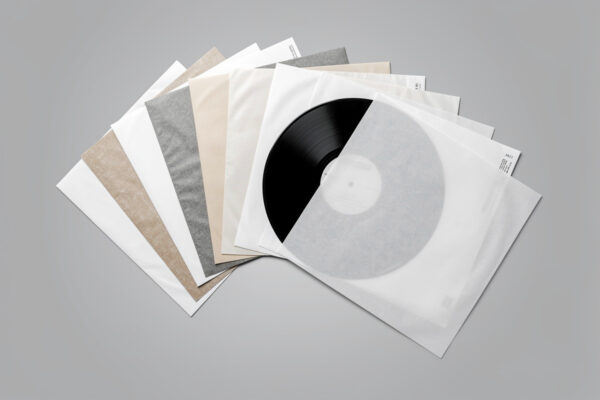
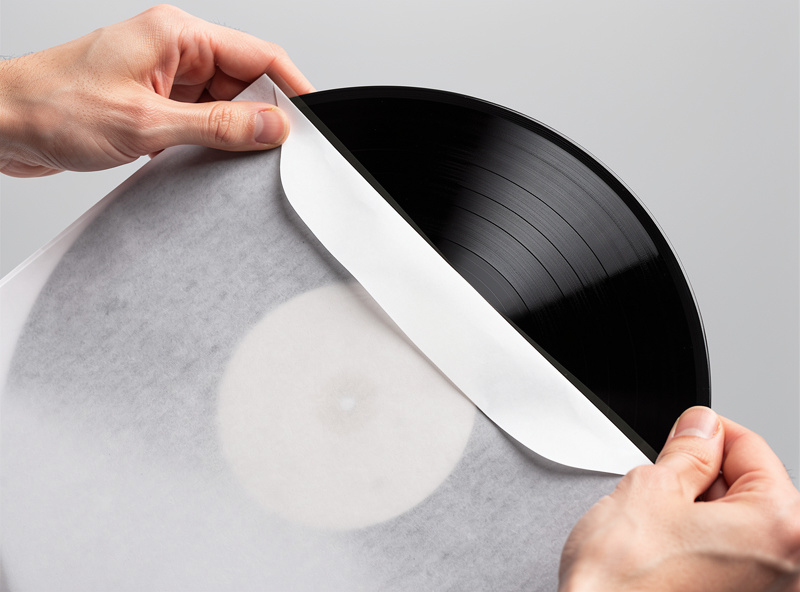
The second pillar is the sleeve. Stock paper inner sleeves generate static every time the record slides against them and shed fibers onto the surface, a double problem. Soft anti-static inner sleeves, typically with a high-density polyethylene or poly-lined construction, slide smoothly and do not build charge, so the record comes out clean and uncharged. I swap every record into an anti-static inner the moment it arrives, before it is ever filed or played.
This is the step that keeps your cleaning work intact. A perfect clean is wasted if the record goes back into a fiber-shedding, static-generating paper sleeve. A box of anti-static inner sleeves is cheap per record and pays back every play.
As an Amazon Associate I earn from qualifying purchases. The anti-static supplies linked here are the kinds I use on my own records.

Carbon-Fiber Brushes and Anti-Static Tools
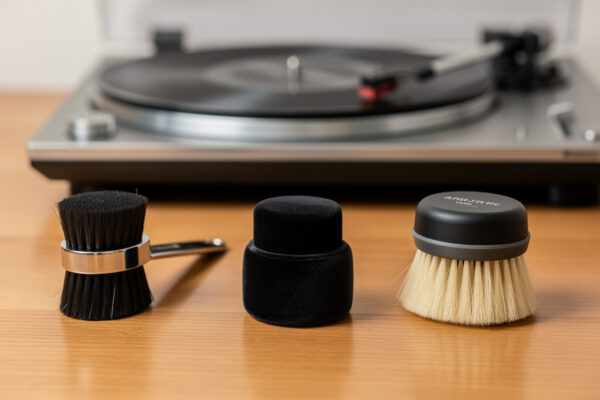
A conductive carbon-fiber brush bleeds off some charge to your hand every time you use it before a play, which is part of why it is the standard maintenance tool. For details on brush types and technique, see my record cleaning brush guide. In genuinely stubborn dry-air conditions, dedicated anti-static tools target the charge more directly: an anti-static device for records neutralizes the surface charge before you play or sleeve the record.
I treat these tools as the top layer, used only when humidity and sleeves are not enough. Most people in a normally humid home rarely need them. The ones who do are in dry climates or heavy winter heating, where the charge builds faster than passive measures can manage.
Anti-Static Measures Compared
Here is how the measures rank by cost and effectiveness, in the order I would deploy them. Start at the top; most people never need to reach the bottom row.
| Measure | Cost | Effectiveness | When to Use |
|---|---|---|---|
| Room humidity | Low / free | Very high | Always, especially dry winters |
| Anti-static inner sleeves | Low | High | Every record, always |
| Carbon-fiber brush | Low | Medium | Before every play |
| Anti-static device | Medium | High (targeted) | Heavy static, dry air only |
Static Myths Worth Ignoring
Vinyl attracts a lot of folk remedies, and some of them are at best useless and at worst harmful. The classic is wiping a record with a dryer sheet to kill static. It does reduce static, but it also leaves a chemical residue in the groove that can cause its own noise and attract grime, so it trades one problem for another. I never do it, and I would not recommend it on any record you care about.
Another myth is that anti-static sprays applied directly to the disc are a cure-all. Anything you spray on the playing surface risks leaving residue, and the genuinely useful anti-static approach is environmental and mechanical, humidity, sleeves, and a brush, not a coating. A related misconception is that grounding the turntable eliminates record static. Grounding the deck deals with hum and electrical noise, not the static charge on the vinyl itself, which is a separate issue. Keep the two straight and you will not waste money chasing the wrong fix.
The last myth is that static is unavoidable and you just have to live with it. You do not. In a normally humid room with anti-static sleeves and a carbon-fiber brush, static is a minor footnote. It only becomes a constant battle when the air is bone dry and the sleeves are shedding paper, which are both things you can change.
Static, Dust, and Stylus Wear
The reason static is worth taking seriously goes beyond a cosmetic dusty look. A statically charged record pulls dust into the groove, and when the stylus tracks that groove it drags the dust along, acting as an abrasive on both the diamond and the vinyl. So static indirectly accelerates wear on your stylus and your records, which makes the cheap fixes above a genuine investment in the life of your gear, not just a convenience.
It also affects what you hear. The crackle from static discharge and the added surface noise from attracted dust both raise the noise floor, masking low-level detail in quiet passages. Get the static under control and quiet passages get quieter, which is exactly the kind of improvement that no cartridge upgrade can deliver on a dusty, charged record. Clean and uncharged is the foundation; everything else in the playback chain builds on it.
There is a compounding effect worth naming. Dust that gets ground into the groove by the stylus becomes harder to remove than airborne dust sitting on the surface, so static today creates embedded grime tomorrow that needs a full wet clean to shift. Controlling static is therefore not just about this play, it reduces how often you need to deep-clean down the line. The cheapest, most preventive measures at the top of the list pay back twice: once now in lower noise, and again later in less cleaning work.
Handling Habits That Prevent Static
A few free habits cut static at the source. Slide records in and out of sleeves slowly and smoothly rather than yanking them, because fast friction builds more charge. Hold records by the edges and label so you are not adding skin oils that attract dust on top of the static. And keep the platter mat in mind: some materials hold and transfer static more than others, which is part of what I compare in my turntable mat guide. Small changes in how you handle records add up to noticeably less crackle and dust.
Put it all together and static stops being a mystery. Humid air and good sleeves prevent most of it, a brush handles the day-to-day, and a dedicated tool covers the dry-winter extremes. With the charge under control, your cleaning actually stays done, which is the entire point. For the full routine that ties cleaning and static together, see the record care guide.