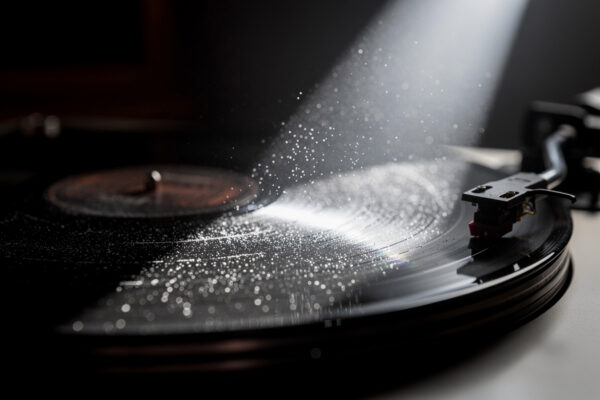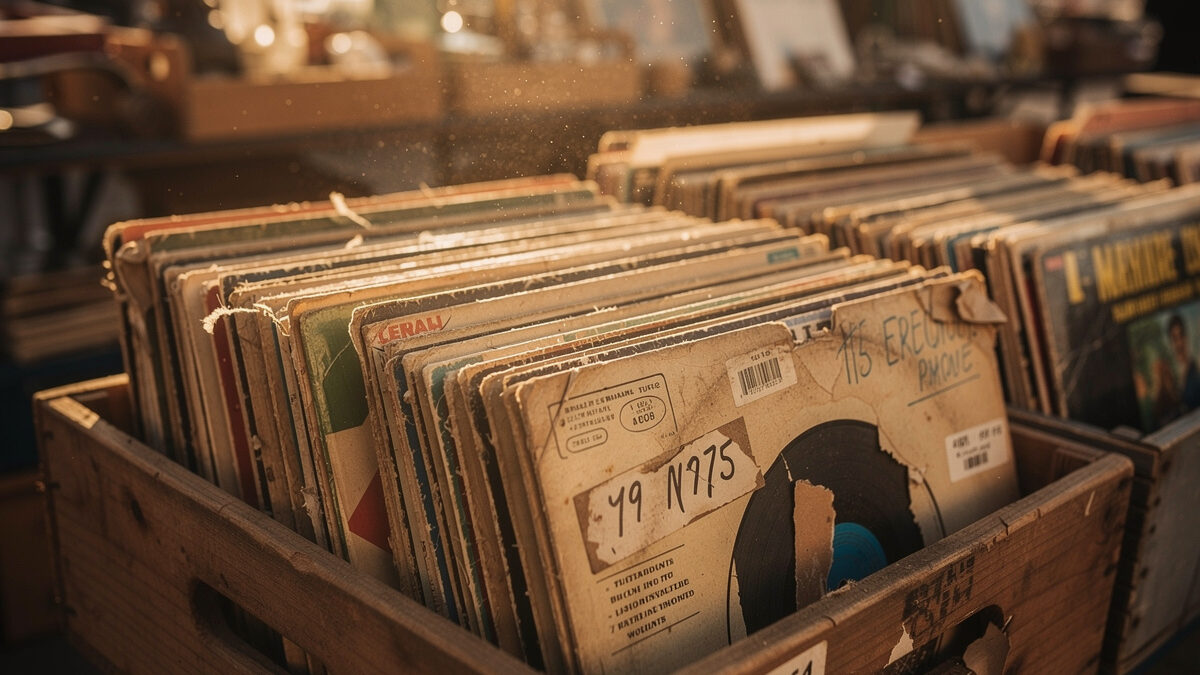
Used records are the best value in the hobby and the dirtiest thing you will ever put near your stylus. A crate-dug record can carry years of dust, smoke film, old fingerprints, sticky residue, and sometimes mold, and playing it dirty grinds all of that into the groove and onto your diamond. Clean it properly first and a two-dollar thrift find can come up near-silent. This is the deep-clean end of record care, and it is where cleaning pays off the most. Here is exactly how I handle every used record before it touches a platter.
The rule on my bench is absolute: no used record gets played until it has been inspected and deep-cleaned. The reward is huge, but so is the risk of skipping it, because dirty used records are how a stylus picks up contamination that then transfers to your clean records. Treat the crate find as a project, not an impulse play.
Inspect Before You Clean
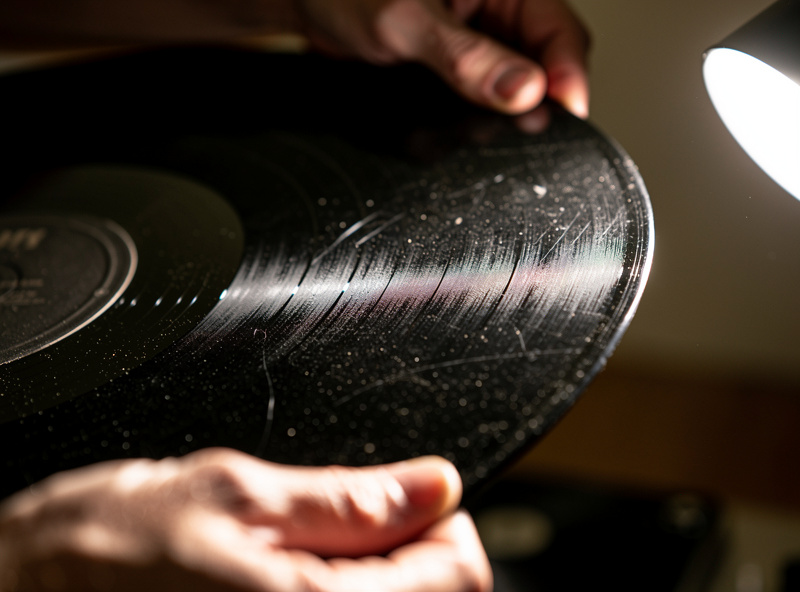
Before any cleaning, inspect the record under raking light, tilting it toward a bright source so the grooves catch the light at an angle. This reveals what you are dealing with: loose dust and surface film that will clean off, versus scratches, scuffs, and pressing defects that are permanent. The point is to set expectations and avoid over-cleaning a record chasing a click that is actually damage. Removable dirt looks like haze, smudges, and particles; damage looks like defined lines and gouges. This inspection skill underpins the whole approach in my complete record cleaning guide.
Inspection also flags mold, which looks like spotting or a dusty bloom in the groove and needs special handling. Spotting it before you start means you lift it out with fluid rather than dry-brushing it deeper. A record that is heavily scratched or warped may not be worth the effort, and knowing that up front saves you time. Inspect first, then decide how far to go.
The Deep-Clean Process for Used Records
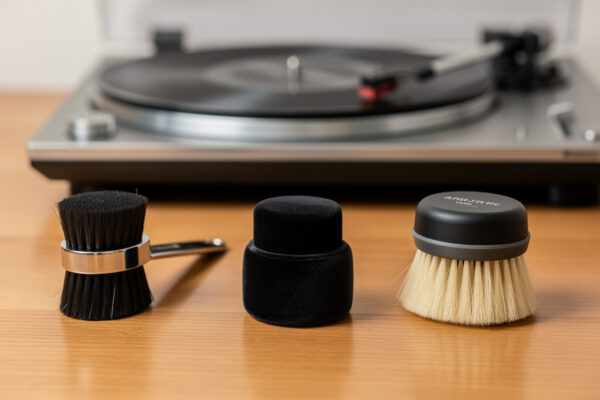
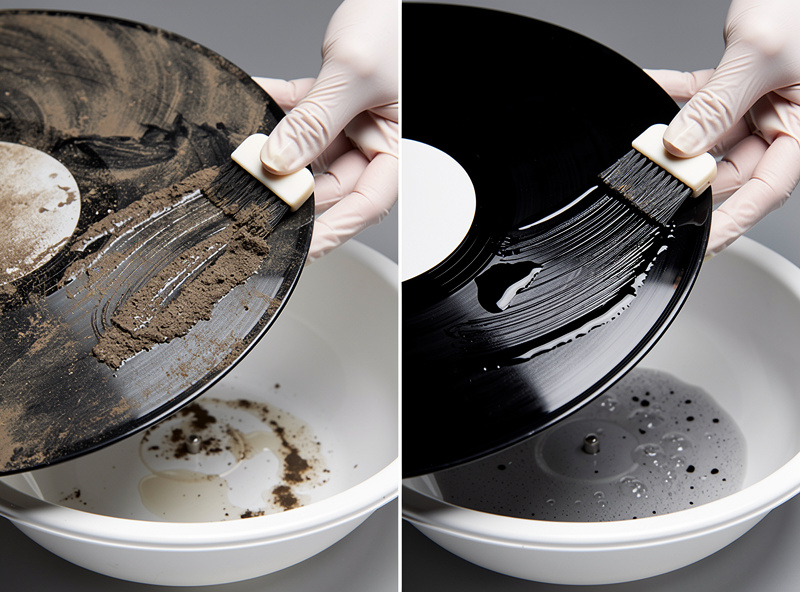
Used records usually need more than a single wet wipe. My process starts with a dry brush to remove the worst loose dust so it does not turn to mud, then a thorough wet clean with a record-safe fluid worked gently into the groove following the spiral, never across it. For genuinely grimy records I repeat the wet clean, because the first pass loosens what the second pass lifts. The full manual technique is in my wet cleaning guide, and it applies here with more repetition.
For the dirtiest finds, manual cleaning hits a wall and a deeper method earns its place. This is exactly where ultrasonic cleaning shines, reaching groove grime no hand can touch and running a batch of crate finds hands-off. If you buy used records regularly, this is the strongest argument for owning a machine. A vacuum machine is the other strong option for repeatable deep cleaning, compared against the alternatives in my best record cleaners roundup.
Dealing With Mold and Mildew
Mold needs care and a clear head. The cardinal rule is never dry-brush a moldy record, because that grinds the spores deeper into the groove and spreads them onto your brush and your other records. Mold must be lifted out wet. A thorough wet clean, or better an ultrasonic cycle, with a record-safe fluid dissolves and floats the mold out of the groove. Use fresh fluid and a clean applicator so you are removing it, not relocating it, and dry the record completely afterward since trapped moisture is what let mold grow in the first place.
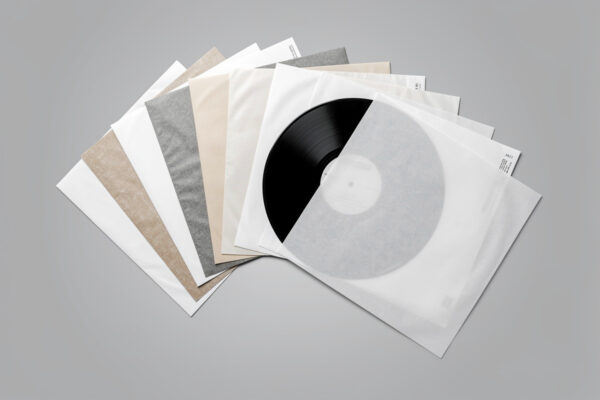
Keep the right supplies on hand for these jobs. A bottle of record cleaning solution, a clean microfiber cleaning cloth, and a fresh anti-static inner sleeve to replace whatever moldy paper sleeve the record came in are the essentials for rehabilitating thrift finds.
As an Amazon Associate I earn from qualifying purchases. These are the supplies I keep on hand for cleaning used records.
Matching Method to Record Condition
Not every used record needs the heaviest treatment. Match the method to what the inspection revealed. Here is how I decide, from lightly dusty to genuinely filthy.
| Condition | Method | Repeat? | Replace Sleeve? |
|---|---|---|---|
| Light dust only | Dry brush + single wet clean | No | Yes |
| Smoke film / fingerprints | Wet clean, worked in | Maybe | Yes |
| Heavy grime | Repeat wet clean or ultrasonic | Yes | Yes |
| Mold present | Wet/ultrasonic, never dry brush | Yes | Always |
Finishing and Filing the Record
After the deep clean, the record needs to dry completely before it is sleeved, because sealing in moisture is how the next round of mold starts. Once dry, it goes straight into a fresh anti-static inner sleeve, never back into the old paper one it arrived in, which is likely shedding fibers and may carry mold spores. This sleeve swap is the final step that protects all the work you just did, and it is covered in depth in my inner sleeves guide.
Then it is filed vertically with the rest of the collection. A used record that has been inspected, deep-cleaned, dried, and re-sleeved is now just another clean record, ready for the every-play brush routine like any other. That transformation, from a grubby crate find to a near-silent listen, is the single most satisfying payoff in record care, and it is why I never pass up a cheap record in decent shape. A well-graded used record that cleans up beats a worn new pressing of the same title for a fraction of the price, which is exactly why deep-cleaning skills are worth building. For the routine that keeps it clean from here, see the record care guide.
Frequently Asked Questions
Should I clean used records before playing them?
Always. Used records carry dust, smoke film, fingerprints, and sometimes mold that playing grinds into the groove and onto your stylus. Inspect under raking light and deep-clean every used record before it ever touches the platter.
How do I clean a moldy record?
Never dry-brush mold, which grinds spores deeper and spreads them. Lift mold out wet with a record-safe fluid or an ultrasonic cycle, using fresh fluid and a clean applicator, then dry the record completely and replace the sleeve.
How can I tell dirt from damage on a used record?
Inspect under raking light, tilting the record toward a bright source. Removable dirt looks like haze, smudges, and loose particles. Permanent damage, scratches and pressing defects, shows as defined lines and gouges that no cleaning removes.
Do used records need more than one cleaning pass?
Often yes. Heavy grime usually needs a repeat wet clean, because the first pass loosens what the second lifts, or an ultrasonic cycle for the dirtiest finds. Light dust may need only a single wet clean after a dry brush.
Is ultrasonic cleaning worth it for used records?
If you buy used records regularly, yes. Ultrasonic reaches deep groove grime that manual cleaning misses and runs batches of crate finds hands-off. For the occasional used record, a thorough manual wet clean is usually enough.
Should I keep the original sleeve from a used record?
Replace it for storage with a fresh anti-static inner, since the old paper sleeve sheds fibers and may carry mold. If the original has artwork, keep it inside the jacket alongside, empty of the record.