Record Cleaning Methods: An Overview
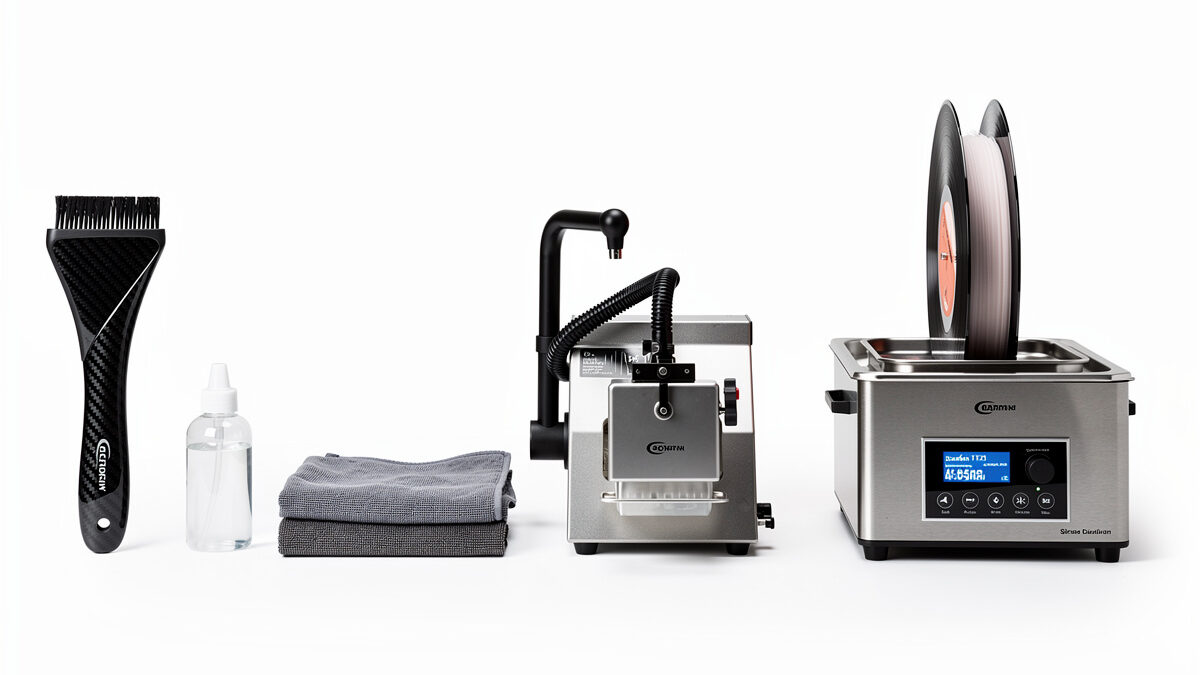
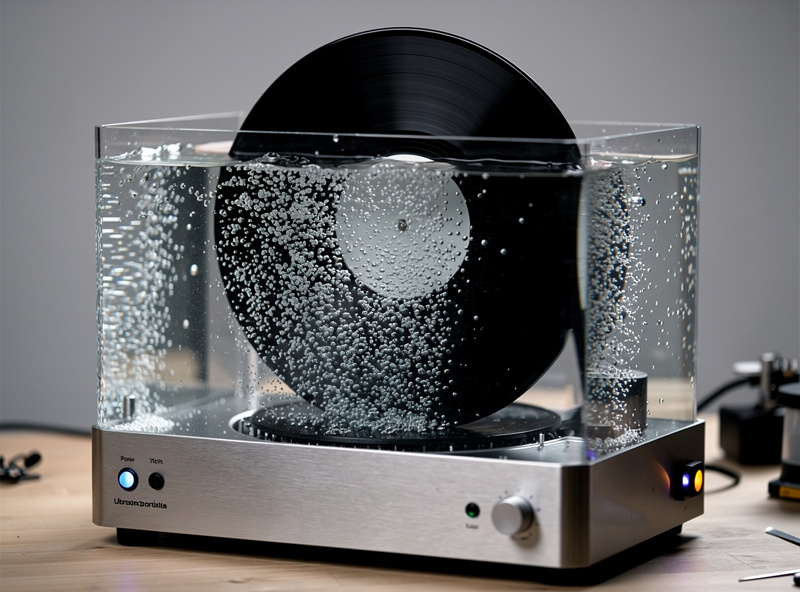
Record cleaning methods fall into four categories, each suited to different levels of contamination and different budgets. Dry brushes handle surface dust before every play. Wet wash methods with manual scrubbing remove embedded contaminants from the groove walls. Vacuum machines combine washing with suction to extract dirty fluid from deep within the grooves. Ultrasonic cleaners use cavitation bubbles to dislodge particles that no brush can reach. Choosing the best record cleaners for your collection depends on how dirty your records are, how many you need to clean, and how much you want to spend.
The cleaning method you choose should match your collection size and condition. A 50-record collection of new pressings needs only a carbon fiber brush and occasional wet wash. A 2,000-record collection built from used store finds and estate sales needs a vacuum or ultrasonic machine to handle the volume and contamination levels. Our vinyl record care guide covers handling and storage practices that prevent contamination in the first place.
New records are not clean. Pressing plants apply a mold release compound to prevent vinyl from sticking to the stamper during manufacturing. This residue fills grooves and causes a haze that increases surface noise. Every new record should be wet-cleaned before its first play, regardless of which cleaning method you use. The improvement in sound quality after removing mold release compound is dramatic — many listeners report hearing details they never noticed on records they have owned for years.
Brush Cleaning: The Essential Daily Tool
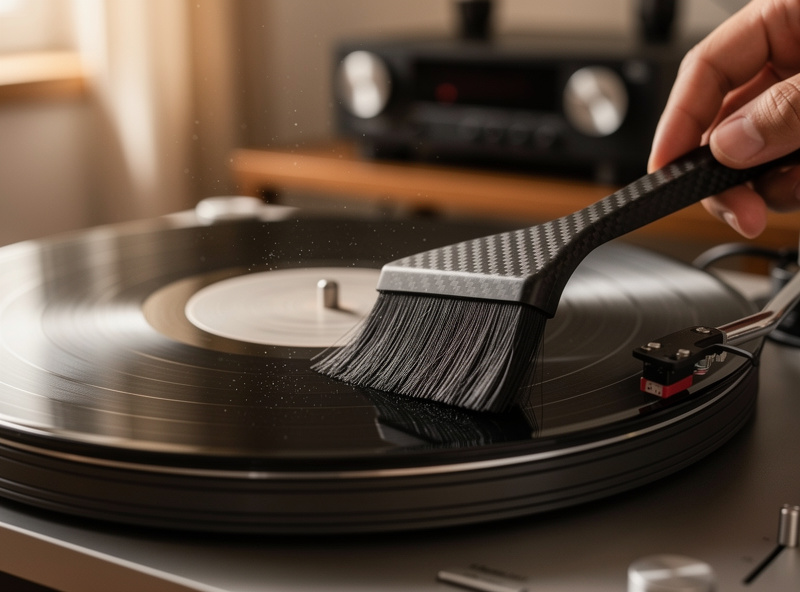
A carbon fiber anti-static brush is the foundation of record care. It is not a deep cleaning tool — it removes surface dust that settles on the record between plays. Using a brush before every play takes 5 seconds and prevents dust particles from being pressed into the groove walls by the stylus, where they cause permanent scratches.
The AudioQuest Anti-Static Record Brush ($18) is the most widely recommended model. Its two rows of approximately 12,000 carbon fiber bristles sweep dust out of the grooves while the conductive fibers discharge static electricity. To use it, hold the brush lightly on the spinning record for 3–4 rotations, then slowly drag the brush toward you and off the edge while the record continues spinning. This pulls dust away from the grooves rather than redistributing it.
The Hunt EDA Mark 6 Brush ($25) offers a similar design with a slightly different handle geometry. Both work identically — the choice is ergonomic preference. Avoid brushes with natural bristles (horsehair, goat hair) because they are thicker and cannot reach into the 40-micron-wide grooves where dust accumulates.
A brush alone is insufficient for records with embedded contamination. It handles the top of the groove but cannot reach the groove walls where residue and mold compounds adhere. Think of a brush as toothpaste — essential daily maintenance but not a substitute for the dentist. Periodic wet cleaning or machine cleaning is still necessary.
Wet Cleaning: Manual Scrubbing Methods
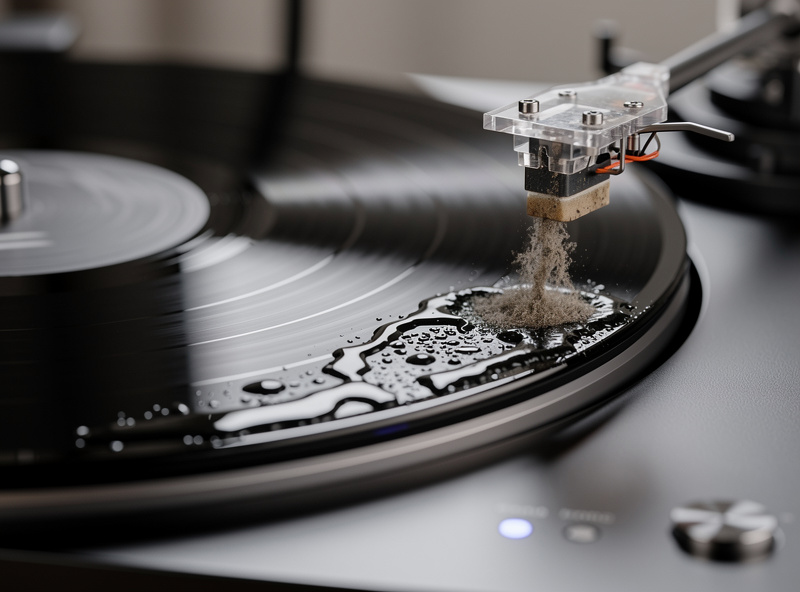
Wet cleaning applies a surfactant-based solution to the record surface, loosening contaminants that a dry brush cannot remove. The solution reduces surface tension, allowing fluid to penetrate into the grooves and lift particles away from the PVC. A velvet or microfiber brush then scrubs along the groove direction, dislodging the loosened material.
The Audio-Technica AT634a Record Care Kit ($25) is a complete manual wet cleaning setup. It includes a velvet brush pad, a liquid applicator brush, a microfiber cloth, and a bottle of cleaning solution. Apply a few drops of solution to the velvet pad, place the pad on the spinning record, and let it follow the grooves for 3–4 rotations. Then wipe dry with the microfiber cloth, always moving radially from label to edge.
The Spin-Clean Record Washer ($80) is a popular manual immersion system. You fill a basin with the included cleaning fluid, place the record between two velvet pads in the bath, and rotate it by hand. The pads scrub both sides simultaneously while the fluid bath captures contaminants. After 3–5 rotations, remove the record and dry it with the included lint-free cloths. The Spin-Clean handles batch cleaning — you can wash 50+ records before changing the fluid — making it efficient for large collections.
Cleaning fluid choice matters. Avoid tap water — its mineral content deposits on the groove surface as it dries. Use distilled water as your base. Commercial solutions from Audio Intelligent, MoFi, and GrooveWasher are formulated for PVC compatibility and leave no residue. For DIY cleaning, mix distilled water with 1–2 drops of Kodak Photo-Flo 200 per liter to reduce surface tension. Never use dish soap, window cleaner, or rubbing alcohol at concentrations above 5%.
Vacuum Record Cleaning Machines
Vacuum cleaning machines combine the wet wash process with immediate fluid extraction. You apply cleaning solution to the record, scrub with a mounted brush, then activate the vacuum suction that pulls the dirty fluid off the surface and into a waste tank. The entire process takes 1–2 minutes per side and produces dramatically cleaner results than manual wiping because suction reaches deep into the grooves where microfiber cloths cannot.
The VPI HW-16.5 ($500) is the long-standing industry standard for home record cleaning. Its stainless steel vacuum tube contacts the record surface as the platter rotates, suctioning fluid through a slot while the brush assembly scrubs from above. The HW-16.5 cleans one side at a time — you flip the record and repeat for the B side. Build quality is excellent, with a heavy cast-aluminum platter and a motor that lasts decades with minimal maintenance.
The Pro-Ject VC-E ($400) offers similar vacuum cleaning in a more compact form factor. Its vacuum arm uses a felt-tipped suction nozzle instead of a slot tube, and the machine includes a washable waste fluid container. The VC-E is quieter than the VPI and takes up less shelf space, making it better suited for small listening rooms.
The Okki Nokki RCM ($700) adds a bi-directional platter that rotates in both directions during cleaning, improving contamination removal from grooves that curve in different directions across the record surface. It also includes a larger fluid reservoir and a more powerful vacuum motor. For collectors with 500+ records who clean regularly, the Okki Nokki’s efficiency saves meaningful time.
Ultrasonic Record Cleaners
Ultrasonic cleaners use high-frequency sound waves (typically 40 kHz) to create millions of microscopic cavitation bubbles in a water bath. These bubbles form and collapse thousands of times per second, generating tiny shockwaves that dislodge contaminants from the groove walls without any physical contact between the cleaning mechanism and the record surface. This makes ultrasonic cleaning the gentlest and most thorough method available.
The HumminGuru ($500) is the first ultrasonic cleaner designed specifically for records at a consumer price point. It holds one record at a time, automatically rotates it through the ultrasonic bath, and includes a drying cycle. Cleaning takes 5 minutes per record. The HumminGuru produces results comparable to machines costing $2,000+ because the ultrasonic cavitation mechanism is the same — the price difference reflects build quality, capacity, and features rather than cleaning effectiveness.
The Degritter ($3,000) is the premium consumer ultrasonic cleaner. It features a more powerful ultrasonic transducer, a larger water bath, automated fluid filtering and replacement, and a faster drying cycle. The Degritter processes records in 2–3 minutes and can clean batches without stopping for fluid changes. For serious collectors with high-value pressings, the Degritter’s speed and automation justify its price.
Ultrasonic fluid is simple. Distilled water with a few drops of surfactant (Photo-Flo or a dedicated ultrasonic cleaning additive) is all you need. The cavitation does the work — the fluid just needs to reach the grooves. Some users add a small amount of isopropyl alcohol (5% concentration) for extra surfactant power, but pure distilled water with surfactant produces excellent results without any chemical risk to the PVC. For the full setup walkthrough — machine selection, fluid ratios, rotation speed, and drying — the ultrasonic record cleaning guide covers every step from first fill to finished record.
Record Cleaner Comparison Table
| Product | Method | Price | Cleaning Time | Cleans Both Sides | Best For |
|---|---|---|---|---|---|
| AudioQuest Brush | Dry brush | $18 | 5 seconds | No (one side) | Pre-play dust removal |
| Audio-Technica AT634a | Wet + velvet | $25 | 30 seconds | No (one side) | Quick wet cleaning |
| Spin-Clean | Immersion wash | $80 | 1 minute | Yes | Batch cleaning on a budget |
| Pro-Ject VC-E | Vacuum | $400 | 1.5 minutes | No (one side) | Compact vacuum cleaning |
| VPI HW-16.5 | Vacuum | $500 | 2 minutes | No (one side) | Industry standard vacuum |
| HumminGuru | Ultrasonic | $500 | 5 minutes | No (one side) | Consumer ultrasonic entry |
| Okki Nokki | Vacuum (bidirectional) | $700 | 1.5 minutes | No (one side) | Large collections |
| Degritter | Ultrasonic | $3,000 | 2.5 minutes | No (one side) | Premium automated cleaning |
Cleaning Fluids: What to Use and What to Avoid
The cleaning fluid is the solvent that loosens contaminants. Without a surfactant, water beads on the hydrophobic PVC surface instead of flowing into the grooves. The surfactant reduces surface tension, letting the fluid contact the groove walls where contamination accumulates.
Recommended commercial solutions: Audio Intelligent Enzyme #15 ($30) uses an enzyme formula that breaks down organic residue — finger oils, mold, and mold release compound. MoFi Super Record Wash ($15) is a general-purpose surfactant solution suitable for routine wet cleaning. GrooveWasher G2 ($20) is a biodegradable formula safe for all vinyl formulations including 78 RPM shellac.
DIY solution recipe: Mix 1 liter of distilled water with 2 drops of Kodak Photo-Flo 200 surfactant. Photo-Flo is a photographic wetting agent that eliminates surface tension without leaving residue. This costs under $5 per gallon and performs as well as most commercial solutions at a fraction of the price. Some collectors add 50ml of 91% isopropyl alcohol per liter for additional surfactant action, but this is optional.
Avoid these products: Windex and other ammonia-based glass cleaners attack PVC and cause surface clouding. Dish soap (Dawn, Palmolive) leaves a surfactant film that is difficult to rinse completely and increases noise. Rubbing alcohol at concentrations above 10% can dry out PVC and cause brittleness over years of repeated use. Window cleaner, furniture polish, and any product containing acetone or petroleum distillates will permanently damage the record surface.
When to Clean: A Practical Schedule
Before first play (new records). Every new pressing contains mold release compound from the manufacturing process. Wet clean new records before their first play. The improvement is often startling — surface noise drops, and previously unheard details emerge.
Before each play (all records). Use a carbon fiber brush to sweep surface dust off the spinning record for 3–4 rotations. This takes 5 seconds and prevents dust from being embedded into the groove walls by the stylus.
Every 20–50 plays (all records). Wet clean or machine clean records to remove accumulated contaminants that brushing cannot address. The exact interval depends on your environment — dusty rooms and low humidity require more frequent cleaning.
Immediately upon acquisition (used records). Used records from thrift stores, estate sales, and record fairs carry years of accumulated contamination. Deep clean them before playing on your turntable. The how to clean records guide covers the step-by-step process for each cleaning level.
When surface noise increases. If you hear more pops and crackle than usual, the record needs cleaning. Do not increase tracking force to push through dirty grooves — clean the record instead. Proper cartridge alignment and cleaning work together to minimize surface noise.
Specific Product Recommendations by Budget
Under $50: Carbon fiber brush + spray kit. Get the AudioQuest Anti-Static Brush ($18) and the Big Fudge Vinyl Record Cleaning Kit ($30). The kit includes a velvet brush, spray bottle of cleaning solution, and a microfiber cloth. This combination handles 90% of cleaning needs for collections under 200 records in reasonable condition.
$50–$100: Spin-Clean. The Spin-Clean Record Washer ($80) is the best value for batch cleaning. It cleans both sides simultaneously, processes multiple records before fluid changes, and produces results noticeably better than manual spray-and-wipe methods. Add the AudioQuest brush ($18) for pre-play dusting to complete the setup.
$400–$500: Vacuum or ultrasonic. Choose between the VPI HW-16.5 ($500) for vacuum cleaning or the HumminGuru ($500) for ultrasonic cleaning. The VPI cleans faster (2 minutes per record) and has decades of proven reliability. The HumminGuru cleans more thoroughly with no physical contact and is fully automated. Both are excellent — the choice depends on whether you prefer speed or automation.
$700+: Premium machines. The Okki Nokki ($700) offers bidirectional vacuum cleaning for large collections. The Degritter ($3,000) is the endgame ultrasonic cleaner with automated fluid management and premium build quality. These machines serve collectors with 1,000+ records where time savings and cleaning consistency justify the investment.
Cleaning Valuable and Fragile Records
Valuable records — first pressings, limited editions, and records worth $50+ — warrant extra caution during cleaning. Test any new cleaning solution or method on an inexpensive record first. Some older pressings from the 1950s and 1960s use vinyl formulations that react differently to cleaning agents than modern 180g pressings.
Shellac 78 RPM records require completely different handling than vinyl LPs. Shellac dissolves in alcohol — never use any alcohol-based cleaner on a 78. Use only distilled water with a mild surfactant. Shellac is also brittle and cracks easily under pressure, so minimize scrubbing force. Ultrasonic cleaning is ideal for fragile 78s because it requires no physical contact.
Records with loose labels should be cleaned with the label side facing up to prevent fluid from seeping under the label and causing it to bubble or peel. If the label is already partially loose, avoid wet cleaning that side until the label is re-adhered with archival adhesive.
Frequently Asked Questions
What is the best record cleaner for beginners?
The AudioQuest Anti-Static Brush ($18) combined with the Audio-Technica AT634a wet cleaning kit ($25) covers all beginner needs. Use the brush before every play and the wet kit every 20–50 plays. Total investment under $50 handles collections up to 200 records.
Are ultrasonic cleaners worth the money?
Ultrasonic cleaners like the HumminGuru ($500) clean more thoroughly than any brush or vacuum method because cavitation reaches deep into grooves without physical contact. For collections over 300 records or high-value pressings, the investment pays for itself in preserved sound quality and record longevity.
Can I use tap water to clean records?
No, tap water contains dissolved minerals that deposit on the groove surface as it dries, creating a fine mineral film that increases surface noise. Always use distilled water as your cleaning base. Distilled water costs under $1 per gallon and leaves zero residue.
How long does a record cleaning machine last?
Vacuum machines like the VPI HW-16.5 last 15–20+ years with minimal maintenance. The vacuum motor and platter bearing are the wear items, both replaceable. Ultrasonic machines like the HumminGuru and Degritter use solid-state transducers rated for thousands of hours. With proper care, any quality cleaning machine outlasts your collection.
Should I clean brand new records?
Yes, all new records should be wet cleaned before their first play. Pressing plants apply mold release compound during manufacturing that fills grooves and causes haze. Removing this compound with a wet clean dramatically reduces surface noise on new pressings. Many listeners report hearing details they never noticed after cleaning a new record.
What is the fastest way to clean many records?
The Spin-Clean ($80) batch-washes both sides of multiple records before changing fluid, making it the fastest budget method for large collections. For faster automated cleaning, the Degritter ($3,000) processes one record every 2.5 minutes with zero manual effort. Between these extremes, the VPI HW-16.5 ($500) cleans one record every 2 minutes.