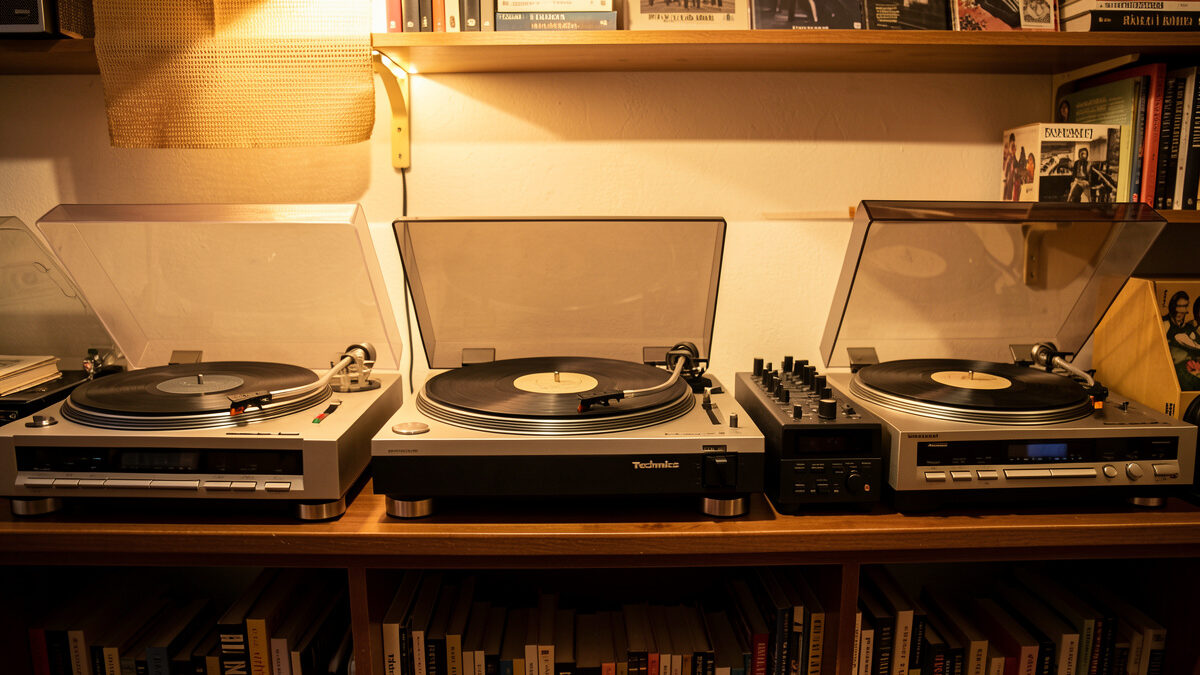
The best vintage turntable to buy is the one whose bearing, arm, and chassis were over-built in period and whose consumables you can still source today. By that measure a handful of decks stand out: the Technics SL-1200 series, the Thorens TD-160 family, the Dual 1200-series automatics, the Pioneer PL-12D, and the idler-drive Garrard 301/401 at the high end. These are the models I keep coming back to because they reward a service rather than punishing it.
This is not a list of the most collectable or the most expensive decks — it is a list of the ones that, once serviced and aligned on my bench, deliver genuinely good sound for sane money. I have lived with, re-belted, and re-greased examples of all of them, and each earns its place for a specific reason. For the buying routine and inspection checklist behind these picks, start with my guide to buying a vintage turntable, and the overarching vintage and DIY turntables guide covers the service order.
Technics SL-1200 / SL-1210 Series
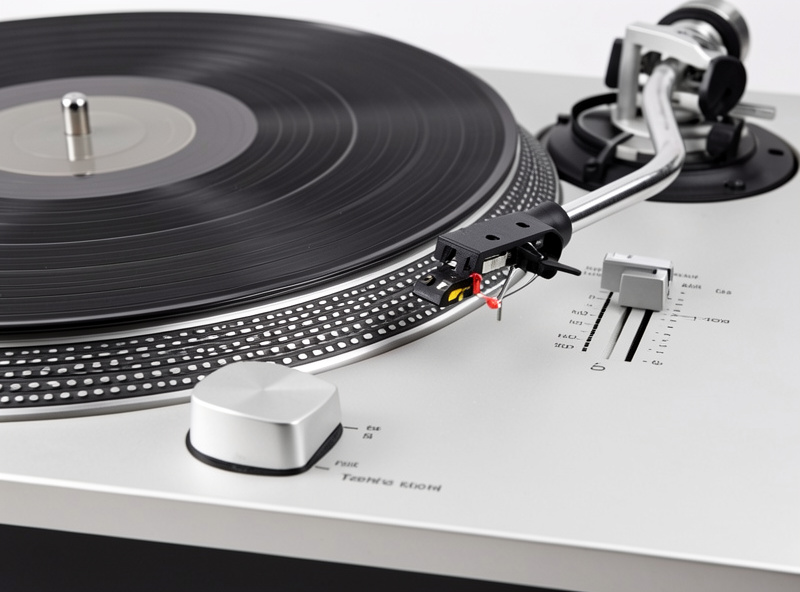
If you want a vintage deck you can buy, plug in, and forget, the Technics SL-1200 is the answer — it is the speed-stability benchmark I measure belt tables against. Direct drive means no belt to perish, the motor is famously durable, and the pitch control and strobe are built in. The arm is medium mass and partners well with most moving-magnet cartridges. The only real downsides are price, since the DJ world keeps demand high, and the occasional failed speed board on hard-used DJ units.
For setup, the 1200 is the easiest vintage deck there is: speed is dead-on once the pot is trimmed, and alignment is straightforward with a protractor. It is the deck I recommend to anyone who wants vintage build quality without a vintage rebuild project. The direct-drive case is laid out in my belt vs direct drive comparison.
Thorens TD-160 / TD-166 Family
The Thorens TD-160 is the deck I reach for when someone wants the classic sprung-suspension, belt-drive sound on a budget. The floating sub-chassis isolates the platter and arm from the plinth beautifully, and a serviced TD-160 with a fresh belt and a decent cartridge is genuinely musical in a way the spec sheet does not capture. The trade-off is setup: the suspension needs to be levelled and bounced correctly, which is fiddly the first time, and a sagging spring needs attention.
These came with a variety of arms over the years, most of them good, and they take a modern cartridge happily. A TD-160 in working-but-unserviced condition is one of the best value-per-sound buys in all of vintage. The TD-166 adds a slightly upgraded arm. Both reward the suspension setup time you put in.
Dual 1200-Series Automatics
The Dual 1218, 1219, and 1229 are the clever ones — full automatics with German engineering, idler or belt-idler drive, and a tonearm with built-in anti-skate and a usable cueing system. If you want a vintage deck that returns the arm at the end of a side without you getting up, a serviced Dual is hard to beat. The catch is complexity: the automatic mechanism uses grease that hardens over decades, and a Dual that “won’t cycle” almost always just needs the old grease cleaned out and replaced.
Once that service is done, these decks are reliable and pleasant to live with. They are not the last word in resolution, but they are charming, sturdy, and forgiving, and the automation is genuinely convenient. Budget for a full re-grease of the mechanism on any unserviced example.
| Model | Drive | Best For | Watch Out For | Setup Difficulty |
|---|---|---|---|---|
| Technics SL-1200/1210 | Direct | Plug-and-play durability | Higher price, rare board faults | Easy |
| Thorens TD-160/166 | Belt (sprung) | Musical budget belt sound | Suspension setup, sagging springs | Medium |
| Dual 1219/1229 | Idler/belt automatic | Full automation, convenience | Hardened mechanism grease | Medium |
| Pioneer PL-12D | Belt | Cheap, easy first vintage deck | Basic arm, light plinth | Easy |
| Garrard 301/401 | Idler | High-torque enthusiast builds | Price, needs plinth and arm | Hard |
Pioneer PL-12D and the Budget Belt-Drives
The Pioneer PL-12D is the deck I point first-time vintage buyers toward when budget is tight. It is a simple, honest belt-drive table that sold in huge numbers, so they are cheap and parts are easy. The arm is basic and the plinth is light, but for the money a serviced PL-12D with a new belt and a fresh moving-magnet cartridge punches well above its price. It will not embarrass a much dearer deck on a clean pressing.
The same logic applies to other mass-market belt-drives of the era from JVC, Sansui, and Kenwood: not glamorous, but mechanically simple, cheap to fix, and a perfect way to learn setup without risking a collectable. Whatever you land on, fit it with a sensible cartridge — an Audio-Technica VM95-series cartridge or an Ortofon 2M suits these arms well. As an Amazon Associate I earn from qualifying purchases.
Garrard 301/401 and the High End of Vintage
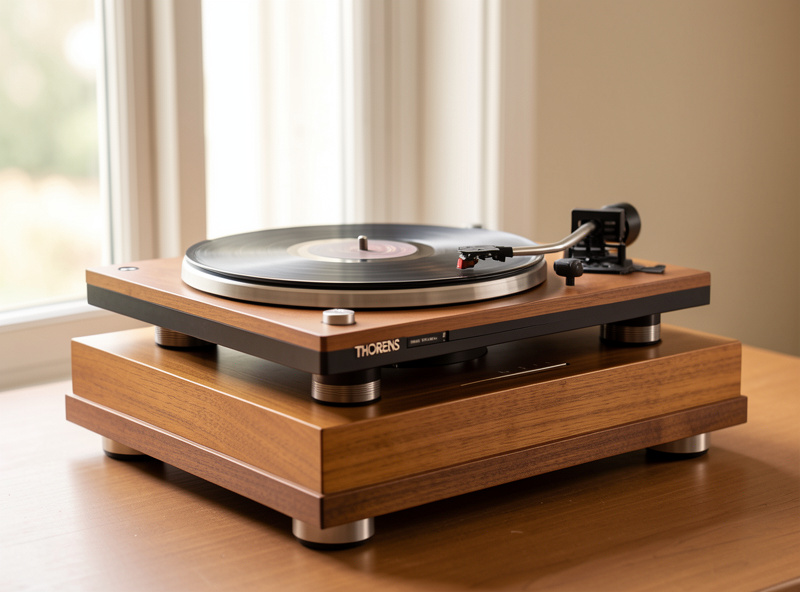
At the top of the vintage tree sit the idler-drive Garrard 301 and 401. These are not plug-and-play; they are the foundation of a build. You buy the motor unit, then add a heavy plinth, a good arm, and a cartridge, and the result is the high-torque, rock-solid speed stability that the idler faithful swear by. The high-end side prefers these for their authority and drive, and a well-built 301 in a massive plinth is a genuinely special deck.
But go in clear-eyed: this is a project and an investment, not a bargain. Prices are high, the idler wheel often needs re-rubbering, and you are sourcing an arm and building a plinth on top. For most buyers the Technics or Thorens is the smarter choice; the Garrard is for the enthusiast who wants to build rather than buy. If that is you, my DIY plinth guide is where that road starts.
How to Choose Between Them
Pick by how much setup work you want, not by badge. Want to plug in and play? Technics SL-1200. Want the classic musical belt sound and do not mind levelling a suspension? Thorens TD-160. Want automation and convenience? A serviced Dual. Tight budget and learning the ropes? Pioneer PL-12D. Want a lifetime enthusiast build? Garrard 301/401. Every one of them is a better buy serviced than any new deck at the same money — the difference is just how much of the servicing you do yourself.
Whatever you choose, the sound comes from setup, not the model name. A humble PL-12D aligned properly through a decent phono stage beats a Thorens set up carelessly. Match the cartridge to the arm, set tracking force by gauge, and align with a protractor — my cartridge guide and the deeper Technics vs Dual vs Thorens comparison take it from here, and the servicing guide covers bringing any of them back to spec.
Frequently Asked Questions
What is the best vintage turntable to buy?
There is no single best, but the standouts are the Technics SL-1200 for plug-and-play durability, the Thorens TD-160 for musical budget belt sound, a serviced Dual for automation, and the Pioneer PL-12D as a cheap first vintage deck. Choose by how much setup work you want to do.
Is a vintage Technics SL-1200 worth it?
Yes. Direct drive means no belt to perish, the motor is famously durable, and speed stability is the benchmark. It is the easiest vintage deck to set up and live with. The only real downsides are a higher price, driven by DJ demand, and occasional speed-board faults on heavily used units.
What is the best cheap vintage turntable for beginners?
The Pioneer PL-12D and similar mass-market belt-drives from JVC, Sansui, and Kenwood. They are simple, cheap, and easy to fix, so they are a perfect way to learn setup without risking a collectable. A serviced one with a new belt and cartridge punches above its price.
Are Dual turntables good?
Yes, once serviced. The Dual 1219 and 1229 are well-engineered full automatics with usable arms and convenient cueing. The common fault is hardened grease in the automatic mechanism, which makes them fail to cycle. Clean and re-grease that mechanism and they are reliable and charming.
Is a Garrard 301 or 401 a good first vintage turntable?
No, it is a project rather than a first deck. You buy the motor unit, then add a heavy plinth, a good arm, and a cartridge, and the idler wheel often needs re-rubbering. It rewards the enthusiast who wants to build, but most buyers are better served by a Technics or Thorens.
Do vintage turntables sound better than new ones?
At the same used price, a well-serviced vintage deck usually outperforms a new budget table because you get build quality the budget new market no longer includes. Above roughly six hundred dollars the gap narrows and a new Rega or Pro-Ject with a warranty becomes the more sensible choice.