
If your tonearm drifts across the record on its own — sliding inward toward the label, or skating outward — the cause is a force imbalance, and the three suspects are anti-skate set wrong, an unlevel plinth, or a sticky tonearm bearing. On the decks I set up, a controlled inward pull during play is normal and expected; what isn’t normal is the arm drifting with the platter stopped, or diving across grooves under play. Those point to specific, checkable faults.
Drift is different from a skip. A skip is a sudden hop; drift is a steady, continuous slide. That distinction matters because the fixes are different — drift is almost always about the lateral force balance on the arm, while skips can come from the record, the floor, or the tracking force. Get clear on which you have, then work the three checks below in order, because they build on each other.
First, Know What’s Normal
The spinning groove drags the stylus, and that drag creates an inward force called skating that pulls the arm toward the center. This is real and constant during play — it is why anti-skate exists. So a gentle inward tendency while a record plays is normal and is exactly what anti-skate is there to balance. What you are diagnosing is drift that is excessive, that happens with the platter stopped, or that the arm does the moment you cue down on a blank, ungrooved surface.
The classic test: cue the arm down onto a section of record with no grooves — the run-out area or a blank test disc. With anti-skate set correctly the arm should sit roughly still or creep very slowly. If it shoots inward, anti-skate is too low; if it slides outward, anti-skate is too high. With the platter stopped and level, the arm should not drift at all on its own — if it does, suspect level or the bearing. This single test separates the three causes fast.

Suspect One: Anti-Skate
Anti-skate applies an outward force to counter the inward skating pull. Set too low, the arm drifts inward under play and the stylus loads the inner groove wall harder, causing one-channel mistracking. Set too high, the arm is pushed outward and loads the outer wall. Either way the contact is unbalanced and the arm doesn’t sit where it should.
I set anti-skate to start at roughly the same value as the tracking force, then fine-tune with the blank-surface test and by ear on a record with strong center-panned vocals. The full method is in my anti-skate setting guide and the combined approach in how to set tracking force and anti-skate. If your arm drifts inward during play but sits still with the platter stopped, anti-skate is the first and most likely fix — and it costs nothing to adjust.
Suspect Two: An Unlevel Plinth
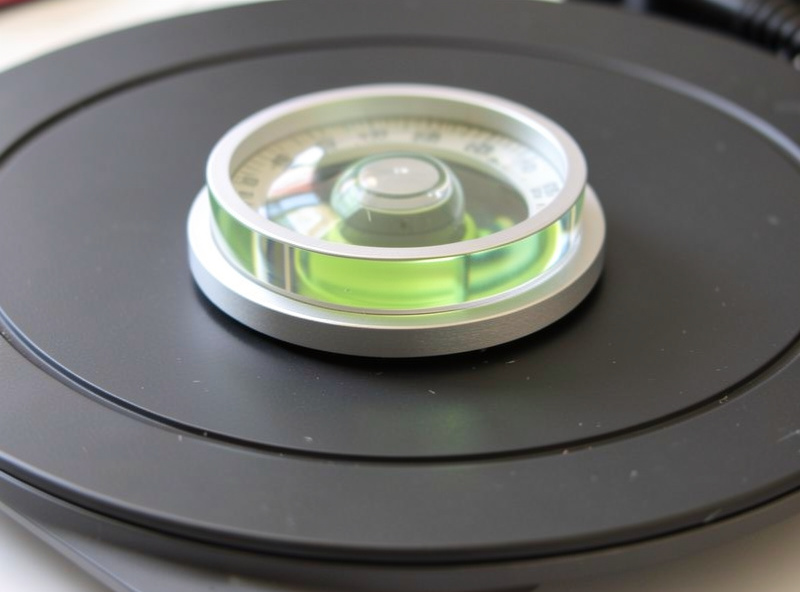
If the deck isn’t level, gravity adds a sideways component to the arm’s balance and it drifts toward the low side even with the platter stopped. This is the easiest cause to rule out and the one people skip. Drop a bubble level on the platter, check both axes, and shim or adjust the feet until it reads true. A deck that drifts at rest is telling you it isn’t level before it tells you anything else.
Level matters beyond drift — an unlevel plinth lets gravity add to skating and can tip a marginal setup into skipping too, which is why it sits near the top of the skip decision tree in the hub, why does my record skip. A 30-second level check is free and rules out a whole category of drift. A small turntable bubble level that sits on the platter makes this exact and repeatable.
As an Amazon Associate I earn from qualifying purchases.
Suspect Three: The Tonearm Bearing
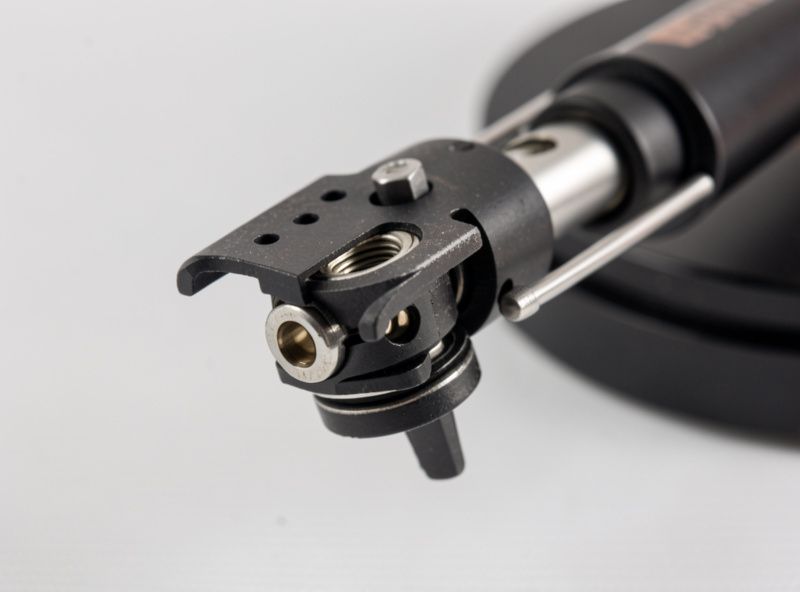
If anti-skate is right and the deck is level but the arm still moves oddly — stiff, notchy, or sticking then lurching — the tonearm bearing is the suspect. The horizontal bearing should let the arm swing freely with almost no resistance; a dry, dirty, or damaged bearing binds, and a too-tight bearing fights the natural motion. Either condition makes the arm track poorly and can read as drift or as a refusal to drift when it should.
Test it gently: with anti-skate at zero and the platter stopped and level, the arm should swing across with the lightest touch and no notchiness. If it sticks or grinds, the bearing needs attention — re-greasing on decks where that’s serviceable, or adjustment of the bearing preload. This is more involved than the other two and overlaps with arm condition generally; I cover arm internals, rewiring, and when a bearing is past saving in the tonearm upgrade guide and the tonearm types and upgrades guide.
The Three Checks, Side by Side
Here is how the three causes present and what each one needs, so you can match your symptom to the fix.
| Symptom | Likely cause | Fix |
|---|---|---|
| Arm drifts inward under play, still at rest | Anti-skate too low | Raise anti-skate to match tracking force, fine-tune |
| Arm pushed outward under play | Anti-skate too high | Lower anti-skate |
| Arm drifts at rest, platter stopped | Plinth not level | Level with a bubble level, shim feet |
| Arm sticks, notchy, then lurches | Dry or tight bearing | Service or adjust the tonearm bearing |
| Arm won’t return / hangs | Bearing or cueing mechanism | Inspect bearing and lift mechanism |
Work them top to bottom. Anti-skate and level are free and fix the large majority of drift complaints; the bearing is the deeper job you only reach when the first two are confirmed good. Resist the urge to start with the bearing — it is the rarest cause and the most disruptive to touch.
Cartridge Weight and Counterweight Balance
One cause of apparent drift that gets overlooked is an arm that was never properly zero-balanced before tracking force was set. If you set the counterweight by guessing rather than floating the arm to neutral first and then dialing in force, the whole lateral balance can be off, and the arm behaves oddly across the record. The correct sequence is to balance the arm to float level with anti-skate at zero, set that as the zero point, then apply tracking force, then set anti-skate. Skip the float step and every later adjustment is built on a wrong reference.
Cartridge mass plays in too. If you have fitted a much heavier or lighter cartridge than the arm was balanced for and only adjusted the counterweight without rechecking the whole geometry, the arm can sit and move differently than it did before. After any cartridge change I re-float the arm, reset tracking force with the gauge, and re-confirm anti-skate, because the cartridge swap changes the starting balance the arm works from. On the Rega P3 I run that means rebalancing the RB330 arm from scratch, while the Pro-Ject belt decks use a threaded counterweight you dial in by turns — each maker’s setup sheet spells out the same float-then-force order. This is also where a fresh alignment pass on the protractor pays off, since a cartridge change shifts overhang and the null points — the method is in the cartridge alignment guide.
The lesson is that drift is rarely one isolated fault — it is usually the visible end of a balance chain that was set out of order. Rebuild the chain in the right sequence and the arm settles down.
When Drift Turns Into Skipping
Drift and skipping are cousins. An arm drifting inward because anti-skate is low or the deck is unlevel loads one groove wall harder, and on a loud passage that unbalanced contact lets the stylus lose grip and jump. So a drift problem left unfixed often shows up later as intermittent skipping, especially in the inner grooves. If you are seeing both, fix the drift first — correct anti-skate and level — and the skipping frequently goes with it.
If the arm tracks fine and sits where it should but you still get hops, the cause is elsewhere — the record, the stylus, or the floor — and you should work the broader tree in the hub, why does my record skip, or the related cases of a stylus that jumps grooves and a deck that skips when you walk past it.
Frequently Asked Questions
Why does my tonearm drift across the record?
A force imbalance. The three causes are anti-skate set wrong, an unlevel plinth, or a sticky tonearm bearing. A gentle inward pull under play is normal skating force; drift that is excessive, or that happens with the platter stopped, points to one of those three.
Is it normal for a tonearm to pull inward?
Yes, a gentle inward tendency during play is normal. The spinning groove drags the stylus and creates skating force that pulls the arm toward the center. Anti-skate exists to balance it. Only excessive or at-rest drift indicates a fault.
How do I test if anti-skate is set right?
Cue the arm down onto a blank, ungrooved section of record. With anti-skate correct the arm sits roughly still. If it shoots inward, anti-skate is too low; if it slides outward, it is too high. Start anti-skate near your tracking-force value.
Why does my tonearm drift when the platter is stopped?
That points to an unlevel plinth or a bearing issue, not anti-skate. Level the deck with a bubble level in both axes first. If it still drifts at rest while level, the tonearm bearing may be loose or damaged and needs inspection.
Can a bad tonearm bearing cause drift?
Yes. A dry, dirty, or damaged horizontal bearing binds and then lurches, making the arm track poorly. With anti-skate at zero and the platter stopped, the arm should swing freely with the lightest touch and no notchiness. Stickiness means the bearing needs service.
Does tonearm drift cause skipping?
It can. An arm drifting inward from low anti-skate or an unlevel deck loads one groove wall harder, and on loud passages the unbalanced contact lets the stylus jump, often in the inner grooves. Fixing the drift usually fixes that skipping too.
Related Articles
- Why Does My Record Skip? The Full Diagnostic Guide
- Anti-Skate Setting Guide for Turntables
- How to Set Tracking Force and Anti-Skate
- Turntable Tonearm Upgrade Guide
- Why Your Stylus Jumps Grooves