The sleeve is where cleaning becomes storage, and the stock paper inner that came with your record is quietly working against you. Plain paper inner sleeves shed fibers onto the playing surface, abrade the vinyl as the record slides in and out, and build static. Swapping every record into a proper anti-static inner sleeve is the single cheapest way to keep a cleaned record clean, and outer sleeves protect the jacket and its value on top of that. Here is how the sleeve types differ and which ones actually belong in your collection.
I swap every incoming record into a soft anti-static inner before it is ever filed, and the keepers go into outer sleeves too. It is a small, boring habit that pays back every time you pull a record and it comes out clean and uncharged. This guide covers inner sleeves, which protect the record, and outer sleeves, which protect the cover, because they do different jobs.
Why the Stock Paper Sleeve Has to Go
The plain paper inner sleeve is a triple problem. It sheds tiny paper fibers that settle into the groove and add surface noise. Its rough surface lightly abrades the vinyl every time the record slides against it, accumulating fine scratches over years of handling. And paper-on-vinyl friction generates static that pulls in dust. None of this is dramatic in a single play, but over a record’s life it adds up to a noisier, more worn disc. This is the step that protects every clean you do, as I cover in the complete record cleaning guide.
The fix is to replace paper inners with anti-static sleeves that slide smoothly, shed nothing, and do not build charge. It is the most cost-effective upgrade in vinyl per record. The original paper inner, if it has printed artwork or lyrics, can be kept inside the jacket alongside the new sleeve so you lose nothing.
Inner Sleeve Types
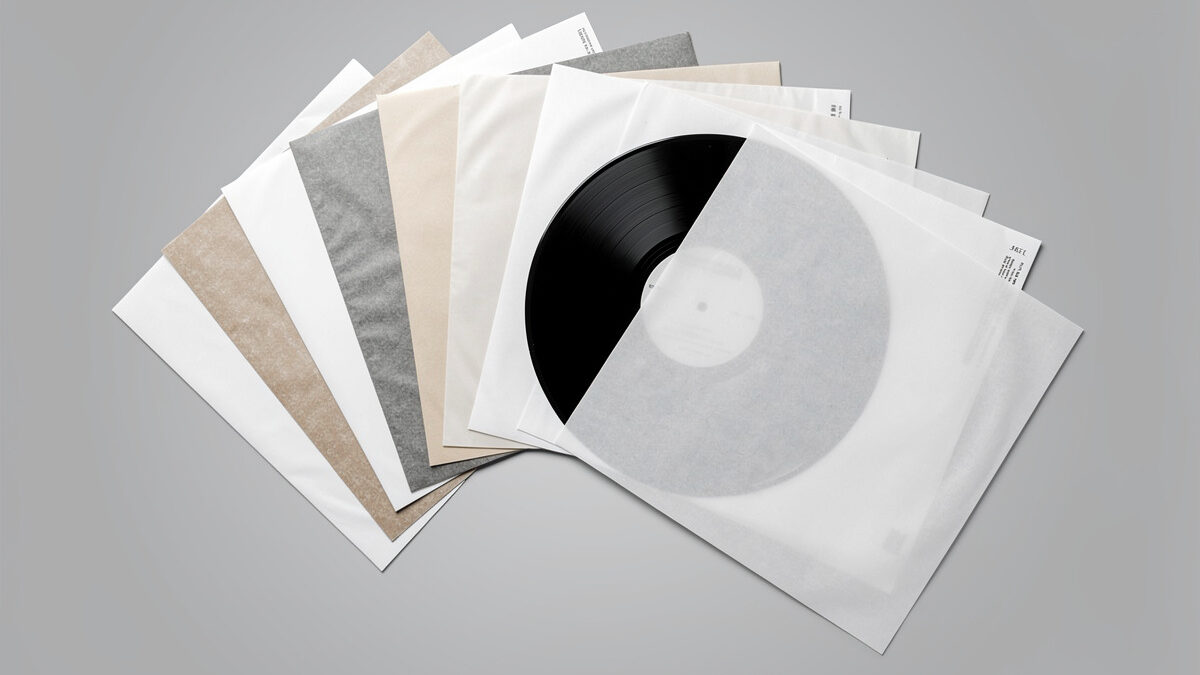
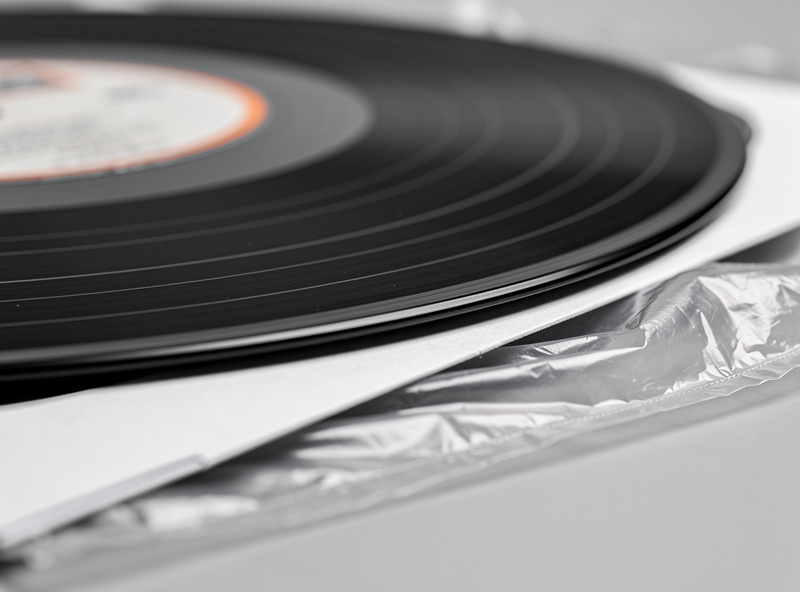
Not all inner sleeves are equal. The common types, from worst to best for protection, are plain paper, rice paper, high-density polyethylene, and poly-lined (paper outside with a soft HDPE liner inside). Plain paper is what you are replacing. Rice paper is softer than ordinary paper but still paper. The two worth buying are HDPE and poly-lined.
HDPE sleeves are thin, smooth, anti-static, and cheap, which makes them the value pick for a whole collection. A box of HDPE anti-static inner sleeves covers most records at low cost per disc. Poly-lined sleeves, sometimes called the audiophile choice, pair a paper or rice-paper outer with a soft poly inner for the smoothest possible contact with the vinyl; a set of poly-lined inner sleeves is what I reserve for records I most care about.
As an Amazon Associate I earn from qualifying purchases. The sleeves linked here are the kinds I use across my own collection.
Inner Sleeve Types Compared
Here is how the inner sleeve types line up. For most collections, HDPE is the sensible default and poly-lined is the upgrade for prized records. Skip plain paper entirely.
| Sleeve Type | Anti-Static | Sheds Fibers | Cost | Best For |
|---|---|---|---|---|
| Plain paper | No | Yes | Free (stock) | Replace it |
| Rice paper | Slightly | Some | Low | Budget step up |
| HDPE | Yes | No | Low | Whole collection |
| Poly-lined | Yes | No | Medium | Prized records |

Outer Sleeves: Protecting the Jacket
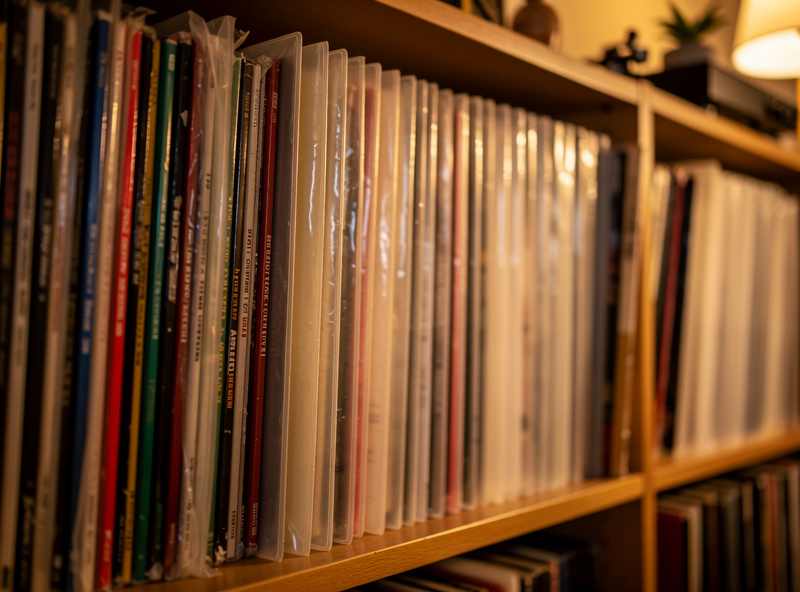
Outer sleeves do a different job: they protect the cardboard jacket from ring wear, shelf scuffs, dust, and seam splits. For a collection where the covers matter, whether for resale value or simply because you like them intact, clear outer sleeves are worth it. They come in different thicknesses, and choosing the right one makes a real difference for valuable pressings — the full breakdown is in the vinyl record outer sleeve protectors guide, which covers poly, crystal, and rigid options with thickness comparisons.
I use clear outer record sleeves on records whose jackets I want to preserve, and skip them on common pressings I am not precious about. Outer sleeves are the one part of this that is genuinely optional; inner sleeves are not. A scuffed jacket is cosmetic, but a fiber-laden, statically charged record is a sonic problem. Prioritize accordingly.
Common Sleeve Mistakes
A few errors crop up with sleeves, and they undo the benefit. The most common is sleeving a record before it is fully dry after cleaning, which traps moisture against the vinyl and invites mold, a far worse problem than the fibers you were avoiding. Always dry a record completely first. The second is leaving records in the original paper inner indefinitely because replacing them feels like a chore; the protection only happens once you actually swap them, so do it as records come in rather than promising to do it later.
Another mistake is forcing a record into a too-tight outer sleeve, which can scuff the jacket edges or split a seam, the opposite of the intent. Choose outer sleeves sized for standard LP jackets and slide gently. And do not store records flat or stacked even in good sleeves, because the weight warps the lower discs over time. Sleeves protect against fibers, static, and surface contact, but they do nothing against the pressure of horizontal stacking; that is a shelving discipline I cover in my vinyl record shelf guide.
My Sleeve Workflow for Every Record
The routine is simple and fixed. Every record that arrives, new or used, gets cleaned first, then dried fully, then slid into a fresh anti-static inner sleeve before it is filed. If the original paper inner has artwork, it goes into the jacket alongside, empty of the record. Records I care about also get an outer sleeve on the jacket. Then they go onto the shelf vertically, supported so they do not lean.
The order matters: a great sleeve is wasted on a dirty record, so cleaning comes first, which is why sleeve swaps are the last step of the wet cleaning process, not a separate task. Anti-static sleeves also tie directly into static control, the other half of keeping records clean, and how you shelve the finished records is the subject of my record storage guide. For the full picture, the record care guide connects cleaning, sleeves, and storage into one routine.
Frequently Asked Questions
Why replace the paper inner sleeve?
Plain paper sleeves shed fibers into the groove, lightly abrade the vinyl as the record slides in and out, and build static that attracts dust. Replacing them with anti-static sleeves protects the record and keeps your cleaning work intact.
What is the best inner sleeve for vinyl?
For a whole collection, HDPE anti-static sleeves are the value pick: smooth, anti-static, and cheap. For prized records, poly-lined sleeves pair a paper outer with a soft poly liner for the gentlest contact with the vinyl.
Do I need outer sleeves too?
Outer sleeves are optional and protect the jacket from ring wear, scuffs, and dust. Use them on records whose covers you want to preserve for value or condition. Inner sleeves, which protect the record itself, are not optional.
Can I keep the original artwork inner sleeve?
Yes. If the stock paper inner has printed artwork or lyrics, slide the record into a new anti-static sleeve and keep the original paper inner inside the jacket alongside it, empty of the record, so you lose nothing.
Are rice paper sleeves good?
Rice paper is softer than ordinary paper but is still paper, so it offers only a small step up. For real anti-static protection without fiber shedding, HDPE or poly-lined sleeves are the better choice at a similar price.
How many sleeves do I need?
One inner sleeve per record, and one outer sleeve for each jacket you want to protect. Sleeves are cheap per disc, so buying a box sized to your collection is an inexpensive, high-value upgrade.