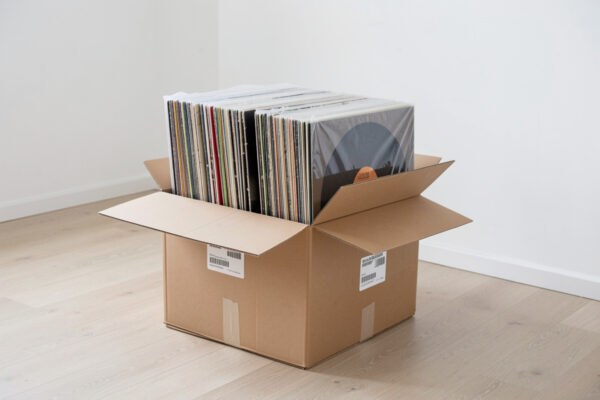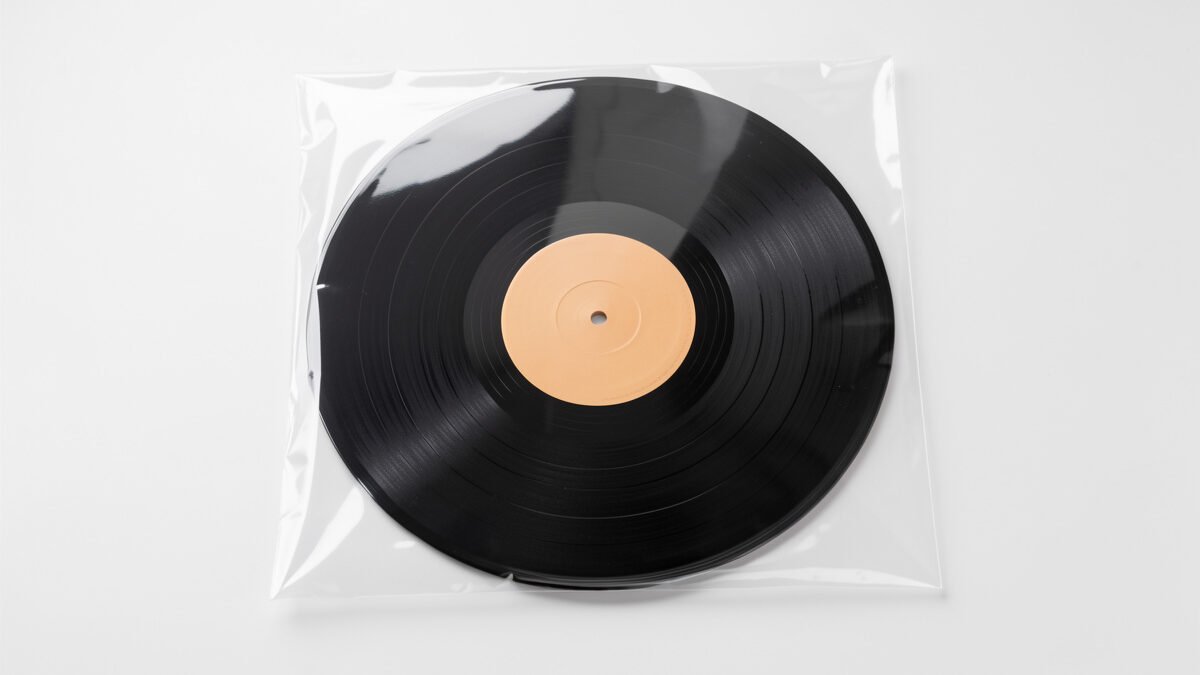
An outer sleeve is the cheapest insurance in this hobby, and it protects the part of a record most people forget is worth protecting: the jacket. The disc gets all the attention, but on a collectible pressing the cover artwork is often half of what you paid for, and once it has ring wear, seam splits, or shelf abrasion, that value is gone. I sleeve every jacket in my collection, and over the years I have used most of the materials on the market, so this is the practical breakdown of vinyl record outer sleeve protectors: what they are, what to buy, and where the cheap ones quietly let you down.
One clarification up front, because the terminology trips people up constantly. This article is about outer sleeves, the clear plastic jackets that slip over the entire album cover. The inner sleeve, the one that holds the disc itself and protects the groove, is a different job entirely and I cover it in my record cleaning and care guide. Both matter; this one is about saving the cardboard.
Why Outer Sleeves Matter
Pull any unprotected record off a packed shelf a few hundred times and look at the cover. You will see ring wear where the disc has pressed a circle into the cardboard, scuffing along the opening edge, and a general softening of the print. Slide it in and out against its neighbors and you get shelf wear on the spine and edges. None of this touches the music, but all of it destroys the cover, and on anything collectible the cover condition is most of the value.
An outer sleeve stops all of it. It takes the abrasion instead of the cardboard, it keeps dust and airborne grime off the print, and it adds a moisture barrier that matters in a humid room. For a few cents per record it converts a wearing item into a protected one. There is genuinely no better value move in record keeping, which is why it sits near the top of my complete storage system.
The Materials, and What They Actually Mean
Outer sleeves come in a handful of materials, and the differences are real once you have handled them side by side. The cheap flexible ones and the premium crystal-clear ones are not the same product at different prices; they behave differently on the shelf and age differently.
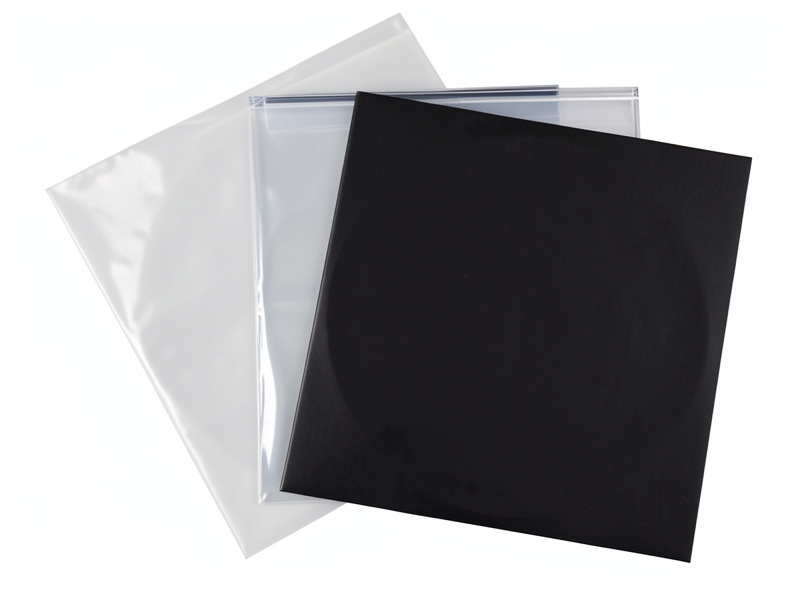
Polyethylene (PE) is the soft, flexible, slightly cloudy material most budget sleeves use. It is inexpensive, gentle on covers, and perfectly fine for the bulk of a collection. The tradeoffs are that it is thin, less glossy, and offers less rigidity, so it does little to keep a floppy single jacket from bowing.
Polypropylene (PP) is crisper and far clearer, the crystal-clear look that makes a cover pop on the shelf. It holds a shape better and resists scuffing. It is the material I reach for on records whose covers I most want to show and protect. The catch is cost and that thinner PP can crinkle if handled roughly.
Rigid or hard-poly sleeves are thick, often with a stiff backing panel, and they are the archival choice for the genuinely valuable pressings: the ones you want fully protected from bending as well as abrasion. They cost the most and take more shelf space, so they are a targeted purchase, not a whole-collection one.
Outer Sleeve Materials Compared
| Material | Clarity | Rigidity | Cost | Best For |
|---|---|---|---|---|
| Polyethylene (PE) | Slightly cloudy | Low (flexible) | Lowest | The bulk of a collection |
| Polypropylene (PP) | Crystal clear | Medium | Medium | Covers you want to show off |
| Rigid / hard-poly | Clear | High | Highest | Valuable or fragile jackets |
| Resealable flap | Varies | Varies | Slightly higher | Sealing out dust and moisture |
For most people the smart approach is a mixed strategy: a big box of inexpensive sleeves for the everyday collection and a smaller stack of premium ones for the pressings that deserve them. A bulk pack of clear outer record sleeves covers the common records cheaply, and that alone stops the vast majority of cover wear.
Thickness and Fit
Sleeve thickness is measured in mils or microns, and thicker is more protective but bulkier on the shelf. For everyday protection, a mid-weight sleeve is the sweet spot: enough to resist scuffing without doubling the shelf space your collection needs. For archival storage of valuable records, go thicker.
Fit matters more than people expect. A standard single-LP sleeve is sized for a normal jacket, but gatefolds, double LPs, and box sets are thicker and need wider sleeves or they will not close and will stress the seams. I keep a separate stack of gatefold outer sleeves for the doubles, because forcing a gatefold into a standard sleeve is how you split a seam. Measure your thickest jackets before buying in bulk.
Resealable vs Open-Top
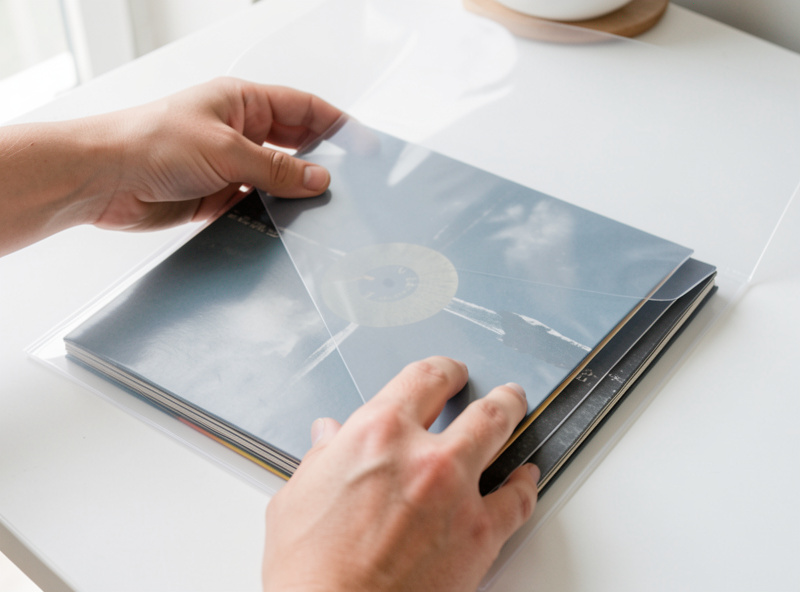
Most outer sleeves are open at the top, which is simplest and fine for shelf storage. Resealable sleeves add a flap or adhesive strip that seals the cover in completely, which is better protection against dust and moisture for long-term archival storage. The one warning: never seal a record into an airtight sleeve if there is any chance of trapped humidity, because sealed-in moisture is worse than open-air. In a dry, stable room a resealable outer sleeve is excellent for the records you rarely play; for the everyday collection, open-top is more practical.
Common Mistakes
The biggest mistake is confusing outer and inner sleeves and buying the wrong one. Outer sleeves go over the jacket; inner sleeves go around the disc. Buy both, for different reasons. The second mistake is going too cheap on everything and ending up with sleeves so thin they crinkle and cloud, which defeats the point of showing off a clear cover. The third is sealing records with trapped moisture. Avoid those three and outer sleeving is foolproof.
One habit worth building: sleeve records as they come in, not in a big someday-project. A new record gets a fresh outer sleeve the day it arrives, before it ever goes on the shelf to start wearing. That is the same discipline I apply to swapping inner sleeves and cleaning new arrivals, and it is why my older covers still look sharp.
Frequently Asked Questions
What is the difference between inner and outer record sleeves?
Outer sleeves are clear plastic jackets that slip over the entire album cover to protect the cardboard from ring wear, abrasion, dust, and moisture. Inner sleeves go around the disc itself to protect the groove from static and scratches. You need both; they do completely different jobs.
What material is best for outer record sleeves?
Polyethylene is cheap, flexible, and fine for the bulk of a collection. Polypropylene is crystal clear and crisper, ideal for covers you want to show off. Rigid hard-poly sleeves are the archival choice for valuable or fragile jackets. A mixed strategy covers most collections best.
Are outer sleeves really necessary?
For anything you want to keep in good condition, yes. An unprotected jacket picks up ring wear, edge scuffing, and shelf abrasion with every play, and on collectible records the cover condition is most of the value. An outer sleeve takes that wear instead for a few cents per record.
Do I need special sleeves for gatefolds and double LPs?
Yes. Gatefolds, double LPs, and box sets are thicker than a standard jacket and need wider sleeves. Forcing a thick gatefold into a standard sleeve stresses and can split the seams, so measure your thickest jackets and buy gatefold-sized sleeves for them.
Can outer sleeves trap moisture and damage records?
They can if you seal a record into an airtight resealable sleeve while there is trapped humidity. Sealed-in moisture is worse than open air. In a dry, stable room sealed sleeves are excellent for archival storage; for the everyday collection, open-top sleeves are safer and more practical.
How thick should an outer sleeve be?
A mid-weight sleeve is the sweet spot for everyday protection: enough to resist scuffing without doubling the shelf space your collection takes. For archival storage of valuable records, go thicker. Very thin sleeves crinkle and cloud, which defeats the purpose of a clear protector.
Disclosure: This article contains affiliate links. If you buy through them I may earn a small commission at no extra cost to you. I only point to sleeves I would put on my own records.