Album art is some of the best graphic design of the last seventy years, and there is a genuine case for getting it off the shelf and onto the wall. A wall of well-chosen covers turns a collection into a room. The catch, and it is a real one, is that the instinct to display a record often collides with the discipline that keeps it safe, so a display wall has to be done deliberately. I run a rotating display in my own listening space, and these are the rules I follow so that showing records off never costs me a record.
This is the one part of the storage system where aesthetics lead, but the preservation rules from my storage guide still set the boundaries. Heat, sun, and pressure do not stop being dangerous just because a record is on a wall instead of a shelf, and in some ways a wall is more exposed.
The One Rule That Matters Most
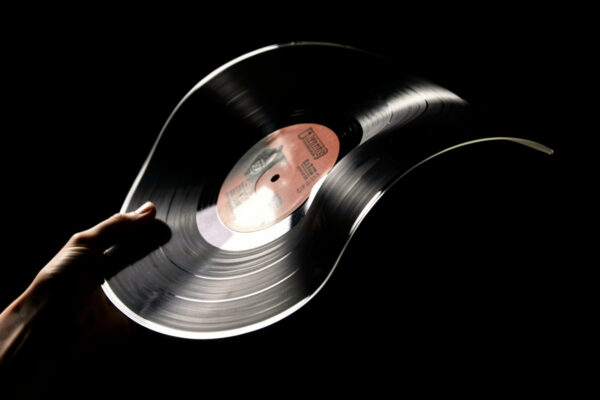
Never wall-display a record you care about with the disc still inside, anywhere it can catch sun or heat. That is the single rule that prevents the most common display disaster. A frame on a sunny or south-facing wall is a slow warp machine for the disc and a fade machine for the artwork, and a glass frame can actually trap and amplify heat against the record. The cover fades, the disc curves, and you have ruined a record to decorate a wall.
The solution is simple once you accept it: display the jacket, not the disc, in any spot that sees sun or warmth, and keep the actual record filed safely on the shelf. For genuinely valuable pressings I display a common duplicate or just the empty jacket and store the disc properly, as covered in the guide on avoiding warping. Decoration should never put a playable record in harm’s way.
This reframes the whole project in a healthy way. Once you separate the display function from the playback function, the pressure comes off. You are decorating with the artwork, which is reproducible and replaceable, while the irreplaceable part, the disc, stays in its sleeve on a climate-stable shelf. I keep a small stack of beat-up but visually striking jackets specifically for the wall, covers whose discs were already too worn to play but whose art is still gorgeous. They make perfect display pieces with nothing left to lose, and that is exactly the mindset a display wall rewards.
Displaying the Jacket vs the Whole Record
Some collectors want the record itself visible, disc and all, and there is a way to do it that does not risk a playable copy. Dedicated record display frames exist that hold both the jacket and the disc behind glass as a single framed piece, and for a truly iconic album that you are happy to retire from rotation, that can be a stunning centerpiece. The compromise to understand is that a record framed this way is effectively no longer part of your listening collection: getting it in and out is involved enough that it becomes art on the wall, not music you spin.
For everyone else, displaying the jacket alone is the smarter move. The cover carries all the visual impact, it weighs a fraction of a framed disc, and the record stays where it belongs. If you do frame a disc, treat it exactly like a valuable record in storage: out of the sun, away from heat, on an interior wall, and ideally with a copy you can replace rather than the only pressing you own.
Frame Types for Records
There are a few ways to put a cover on the wall, and they differ mainly in how easy it is to swap the art and how securely they hold the jacket.
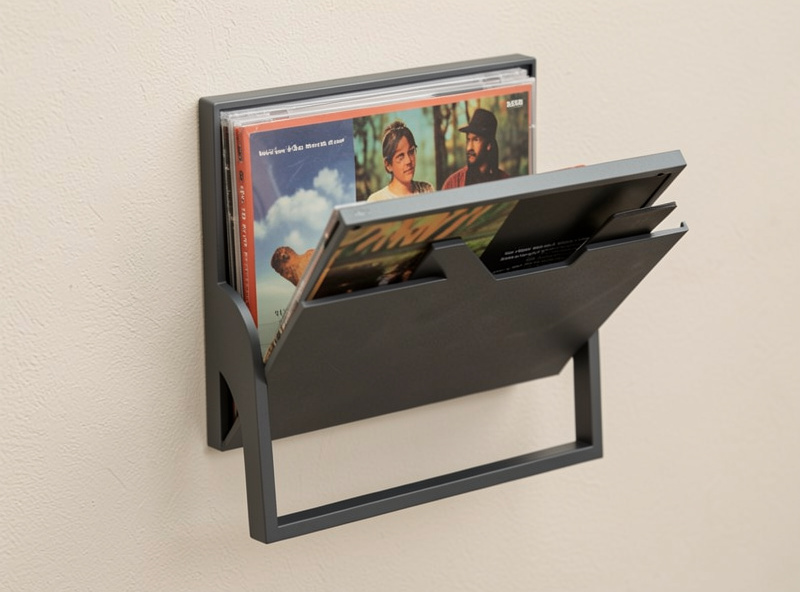
Flip-frames are the display tool built for this. They hold the jacket securely behind a front that flips or slides open, so you can change the displayed album in seconds without handling the record itself or fiddling with hardware. For a rotating display this is the obvious choice, and a set of record flip-frames is what I use for the covers I cycle most.
Standard album frames are sized for a 12-inch jacket and hold it behind glass like artwork. They look the most finished and are best for covers you intend to leave up long term, since changing them is more involved. A proper record album frame turns a single iconic cover into a permanent piece.
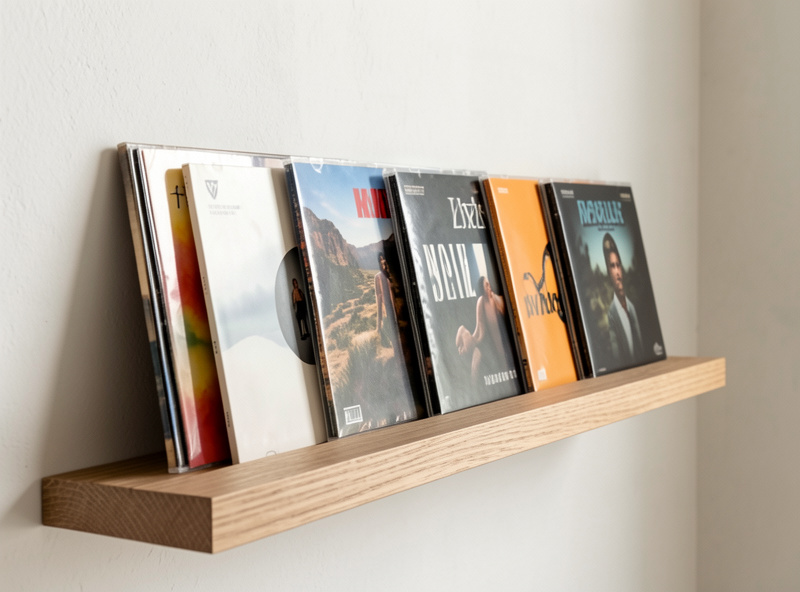
Display shelves and ledges hold covers face-out on a narrow lip rather than framing them, which makes swapping trivial and gives a casual, leaning look. A record display ledge is the most flexible option and doubles as a now-playing spot for the record currently on the deck.
Display Methods Compared
| Method | Swap Ease | Hold Security | Look | Best For |
|---|---|---|---|---|
| Flip-frame | Very easy | High | Clean, gallery | Rotating displays |
| Standard album frame | Involved | High | Most finished | One iconic cover, long term |
| Display shelf / ledge | Trivial | Medium (leaning) | Casual | Frequent swaps, now-playing |
Lighting That Will Not Fade Art
Lighting is the part people forget, and it matters as much as the wall placement. The same UV that fades a poster fades album art, so direct sunlight is the enemy twice over: it heats the disc and bleaches the print. Even bright artificial light over years will dull colors. Position a display wall away from direct sun, and if you light it deliberately, use low-heat LED lighting rather than hot halogen, and keep the fixtures far enough back that they do not warm the covers.
The practical test I use: if a spot is bright and warm enough to be pleasant to sit in on a sunny afternoon, it is too bright and warm for records. The best display walls are on interior walls with controlled, indirect light, which also happens to be where the art looks best without glare.
One detail worth knowing: anti-glare or museum glass and UV-filtering acrylic exist precisely for protecting framed art from light damage. If you are framing a cover you intend to leave up for years in a bright room, the upgrade to UV-filtering glazing is worth it, the same way it is for any valuable print. It will not solve a heat problem, so placement still comes first, but it meaningfully slows the fading that bright ambient light causes over time.
Mounting and Hanging Safely
The practical side of a display wall is mounting, and records-on-the-wall are heavier than people plan for. A single framed cover behind glass is not much, but a grid of them adds up fast, and a display ledge loaded with leaning covers concentrates weight on a narrow rail. Use wall anchors rated well above the actual load, find studs where you can, and never trust a single small adhesive hook with a glass-framed record over a sofa or a turntable.
Think about what is below the display, too. A frame that works loose and falls is bad anywhere, but directly above a turntable it can wreck a cartridge or crack a platter, and above seating it is a safety issue. I keep my display wall away from directly over the deck for exactly this reason, which is the same instinct that keeps me from storing anything heavy where it could topple onto records. A display wall should be a joy to look at, not a hazard waiting for the day an anchor gives up.
Building a Gallery Wall
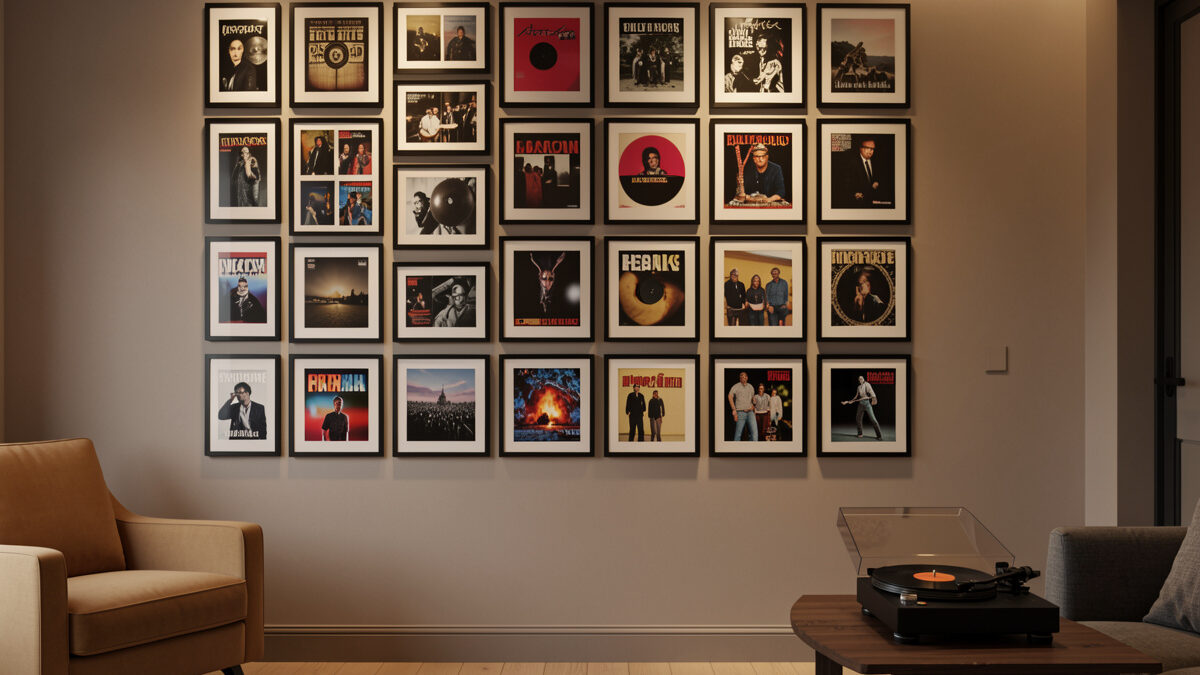
A good record gallery wall is a composition, not a random scatter. Decide on a grid or a deliberate arrangement before you put a single hole in the wall, lay the covers out on the floor first, and account for the weight of framed records when choosing wall anchors, because a wall of glass frames is heavier than it looks. Mix iconic covers with personal favorites so the wall says something about you rather than just looking like a shop display.
Spacing and consistency do most of the visual work. Even gaps between frames, usually a few centimeters, read as intentional, while uneven gaps look like an accident. If you mix frame styles, repeat them in a pattern rather than scattering them randomly, and consider keeping all the frames the same color so the covers, not the frames, are what the eye lands on. A grid of identical frames is the easiest way to get a gallery-quality result with no design background; an organic arrangement looks great too but takes more trial and error on the floor first.
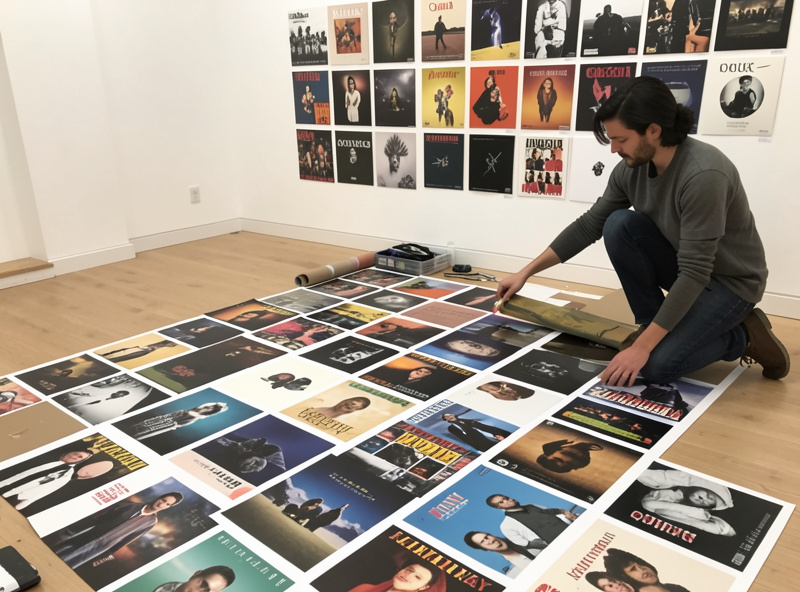
Plan for the wall to evolve. The whole appeal of a record display over a static art print is that you can rotate it with your listening, swapping in the album you have been playing all week. Flip-frames and ledges make that effortless; fixed frames make it a project. I treat the bulk of my wall as a rotating space and reserve one or two permanent frames for the covers I will never tire of. That mix keeps the wall fresh without turning every swap into a chore.
Above all, build the wall around covers and duplicates rather than your only copy of anything precious, and keep the whole arrangement out of the sun. Done that way, a display wall is one of the real joys of the hobby: the art you love, visible every day, with the records themselves safe on the shelf where my outer sleeves and proper storage keep them in the condition that makes them worth displaying in the first place.
More From the Storage Series
- How to Store Vinyl Records Properly: The Complete Guide
- How to Avoid Warping Vinyl Records
- Vinyl Record Outer Sleeve Protectors
- Best Vinyl Record Shelf
- Record Player and Turntable Guide
Disclosure: This article contains affiliate links. If you buy through them I may earn a small commission at no extra cost to you. I only point to display gear I would put on my own wall.