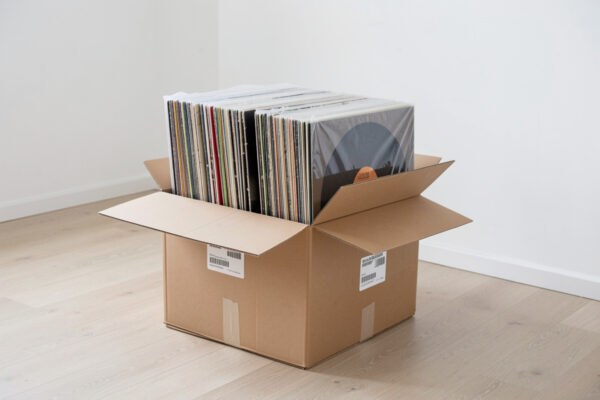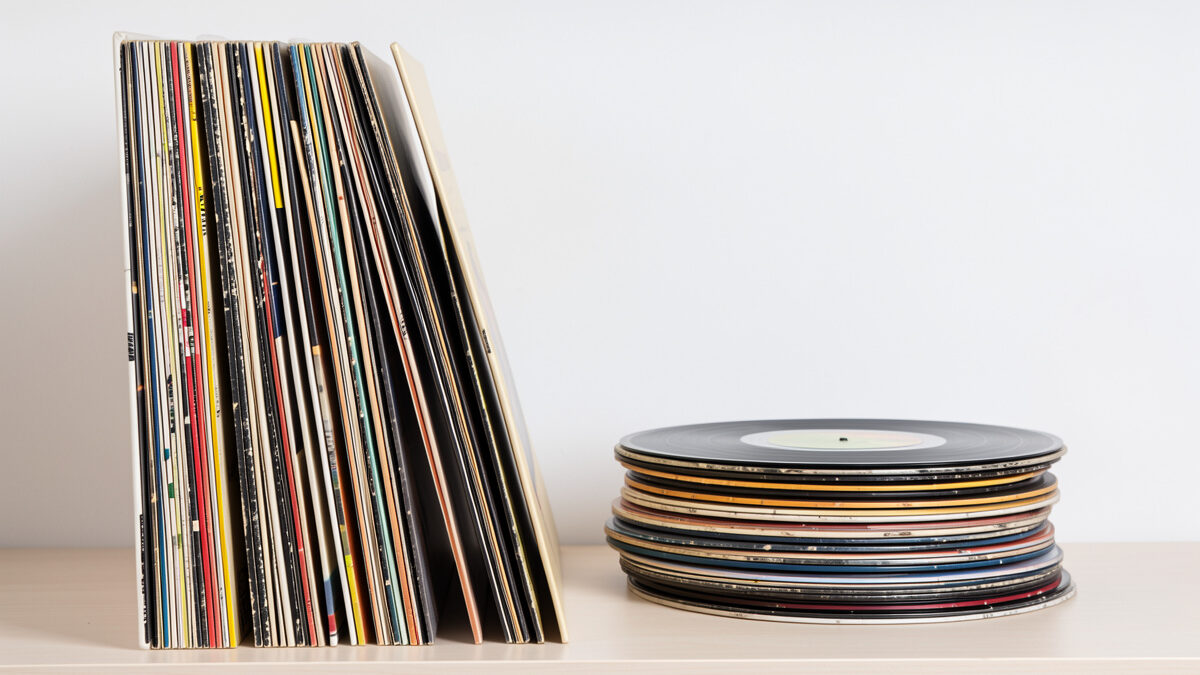
This is the question that launches a thousand forum arguments, and most of the heat comes from people answering a slightly different question than the one being asked. So let me be precise from the start. For long-term storage, you store vinyl records vertical, full stop. The genuine debate is narrower and more interesting: what counts as truly vertical, when is horizontal ever defensible, and why does a record stored leaning at a slant fail just as badly as one stacked flat. I have made every one of these mistakes on my own shelves, so this is the practical version, not the dogmatic one.
If you have read my complete record storage guide, you know orientation is the single most important storage decision. This piece is the deep dive on that one decision, because getting it right is most of the battle, and the failure modes are subtler than “flat bad, upright good.”
The Short Answer
Store records vertically, standing upright like books, held truly perpendicular to the shelf. Do not stack them flat in a pile for anything longer than the few minutes you are actively handling them. That is the rule that protects 99 percent of collections, and everything else in this article is the reasoning and the edge cases behind it.
The reason is mechanical, not traditional. A record’s flatness is its most fragile property, and flatness is destroyed by sustained, uneven pressure. Vertical storage routes the only significant force, gravity, straight down through the strongest part of the disc, its outer edge. That is the entire case, and it is decisive.
Why Flat Stacking Destroys Records
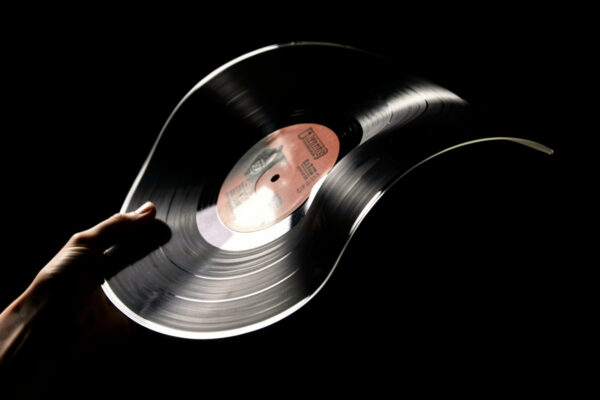
When you stack records flat, every record below the top one carries the cumulative weight of everything above it. That sounds survivable until you remember two things. First, no stack is perfectly flat: a slightly raised label, a warped jacket, a bit of debris, and the weight loads onto the record unevenly. Second, PVC creeps. Under sustained pressure, even at room temperature, vinyl slowly deforms to match the pressure distribution, and a little warmth accelerates this dramatically.
The result is the classic dish warp, where the record takes on a shallow bowl shape, and it is one of the hardest warps to correct. I have pulled records from the bottom of an old flat stack that were visibly dished, and no amount of careful storage afterward brought them fully back. The damage from flat stacking is cumulative and largely permanent, which is exactly why it is the cardinal sin of record storage. The how to avoid warping vinyl records guide covers the full range of warp causes — heat, pressure, car dashboards, radiators — and what can actually be done if a record has already dished.
The Lean Trap: Vertical Done Wrong
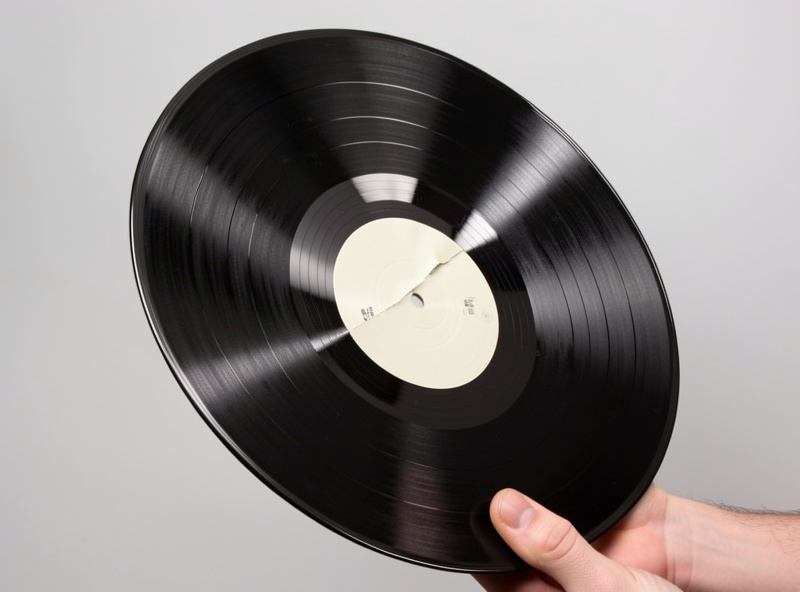
Here is the nuance almost every “just store them vertically” answer skips. Vertical only protects a record if it is held genuinely upright. A record leaning at an angle, the way a half-empty shelf lets records flop sideways, is under constant bending stress along its diameter. Over weeks and months that produces an edge warp or a gentle S-curve, a real warp caused by nothing but a lean.
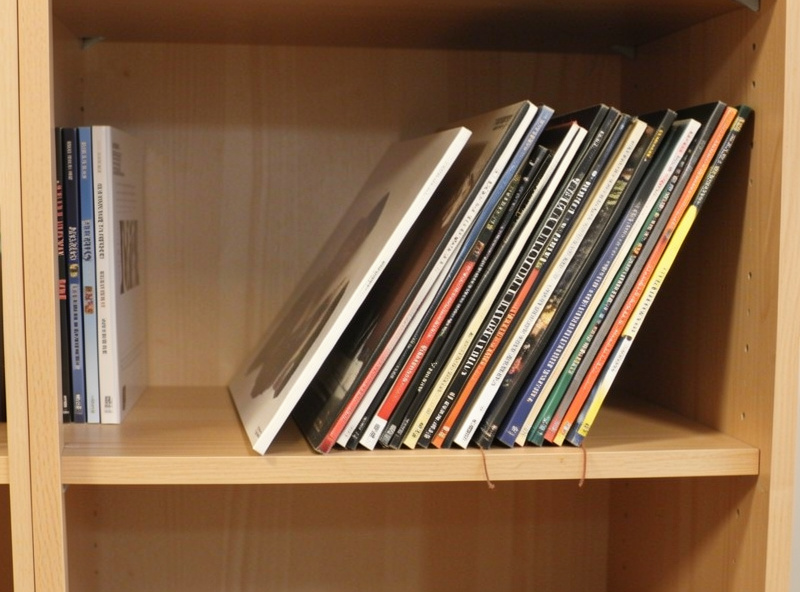
This is why a half-full shelf can be worse than a properly packed one. The records at the end with nothing to lean against slowly bend. The fix is straightforward: keep records packed snugly enough to stand straight, use rigid dividers every 25 to 30 records, and never leave a section so loose that records can lean. If a shelf is not full, prop the end with a bookend or divider so the last record stands at 90 degrees, not 70.
The packing density matters in both directions. Too loose and records lean. Too tight and you cannot remove one without yanking it past its neighbors, wearing the jackets and risking the disc. The target is firm but not crushing, with a couple of centimeters of give. A set of solid record shelf dividers is the cheapest way to keep every section standing straight, and it doubles as organization.
When Is Horizontal Ever Acceptable?
There is exactly one defensible case for short-term horizontal storage, and it is narrow: a small number of records, laid flat in a stack no more than a handful deep, for a genuinely short period, typically during a move or active reorganization when upright storage is not possible. Even here, the count matters, the duration matters, and the temperature matters. A shallow stack of five or six records flat for a weekend in a cool room is a tolerance; a deep stack flat for months is damage in progress.
What about the claim that very valuable or very thick records should be stored flat? This is where I part ways with some collectors. The logic is that flat storage prevents the disc from sagging against its own weight at the bottom edge over decades. In practice, for standard LPs in a climate-stable home, a properly packed upright shelf protects flatness better than flat stacking ever could, because it eliminates the cumulative-weight problem entirely. The flat-storage argument only has any merit for extreme cases, and even then the disc must be the only thing in the stack, fully supported, dead level, in a cool room. For normal collecting, it is a non-issue and upright wins.
Setting Up for Reliable Vertical Storage
Reliable vertical storage is mostly about the shelf and the packing, not heroics. Use self-braced shelving with short spans so the shelf itself does not sag, which I cover in detail in my guide to the best vinyl record shelf options. Pack each section firm and straight. Add dividers. Keep the unit off cold floors and out of direct sun, because heat is what turns a tiny lean into a real warp.
The mental shortcut I use when I reshelve: every record should stand on its own edge at 90 degrees, touching its neighbors enough to stay there but loose enough to pull out with two fingers. If a record is leaning, stacked, or jammed, fix it now, because all three of those are how flat records become warped records.
Frequently Asked Questions
Should vinyl records be stored vertically or horizontally?
Vertically, standing upright like books. Vertical storage routes gravity straight down through the record’s strongest part, its outer edge, and avoids the cumulative pressure that warps flat-stacked records. Horizontal flat storage is only acceptable for a small, shallow stack over a genuinely short period.
Why is stacking records flat bad?
Each record in a flat stack carries the weight of everything above it, loaded unevenly because no stack is perfectly level. Under that sustained pressure PVC slowly creeps and the records dish into a bowl shape. This dish warp is cumulative and very hard to reverse, which makes flat stacking the cardinal storage mistake.
Can storing records vertically still warp them?
Yes, if they lean. A record leaning at an angle is under constant bending stress and will slowly take on an edge or S-curve warp. Vertical storage only protects records when they are held truly upright at 90 degrees, packed snugly with dividers so nothing flops sideways.
How tight should records be packed?
Firm but not crushing, with a couple of centimeters of give. Too loose and the records lean and warp; too tight and removing one yanks it past its neighbors, wearing jackets and risking the disc. Aim for sections that stand straight on their own but release a record with light pressure.
Is it ever okay to store valuable records flat?
Only in extreme cases, and even then the disc must be the sole item in the stack, dead level, fully supported, and in a cool room. For standard LPs in a climate-stable home, a properly packed upright shelf protects flatness better than flat storage, so upright remains the right choice.
Disclosure: This article contains affiliate links. If you buy through them I may earn a small commission at no extra cost to you. I only recommend gear I use on my own shelves.