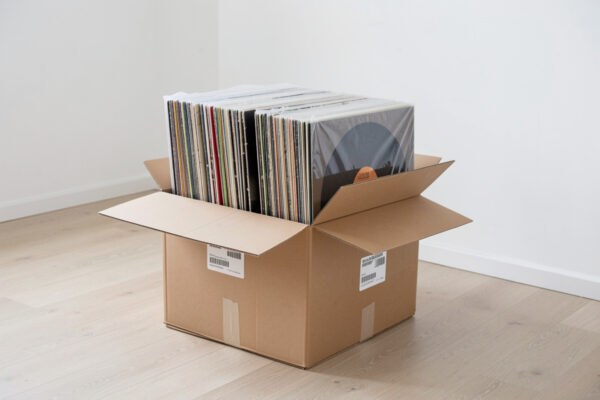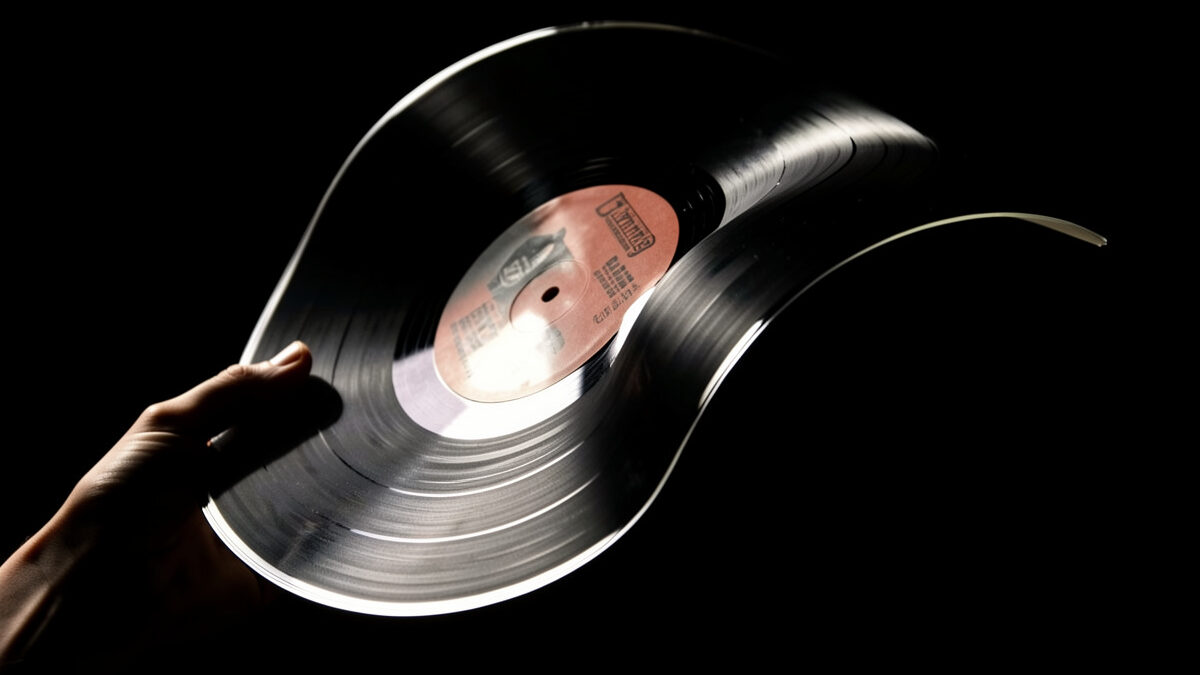
A warp is the one record problem that genuinely cannot be cleaned away, and it is almost always self-inflicted through storage. A dirty record you can clean; a scratched record you can live with; a warped record wobbles the stylus, throws off tracking, and in a bad case is simply unplayable. The good news is that warping is one of the most preventable forms of damage there is, because it comes from a short list of causes that are entirely within your control. This is how to avoid warping vinyl records, why each cause does what it does, and what your real options are once a record has already gone.
I treat warp prevention as the whole point of storage discipline. Every choice in my storage system, from vertical orientation to climate, traces back to keeping records flat. Get the prevention right and you will likely never need the recovery section at the end of this article.
What Actually Warps a Record
Vinyl is PVC, a thermoplastic, which means two things matter: it softens with heat and it slowly deforms, or creeps, under sustained pressure. A warp is just the record taking a new shape because heat made it pliable, pressure pushed it, or both. Understand that and every prevention rule becomes obvious rather than a list to memorize.
There are three main warp types, and they map directly to three causes. The dish warp, a shallow bowl, comes from flat stacking, where cumulative weight presses the disc out of plane. The edge warp, a wavy or lifted rim, comes from heat or from leaning records bending at the edge. The general off-flat is usually heat alone, often from sun or a warm spot. Knowing which warp you are looking at tells you exactly what went wrong.
Warp Types and Their Causes
| Warp Type | Looks Like | Main Cause | How to Prevent |
|---|---|---|---|
| Dish warp | Shallow bowl shape | Flat stacking, cumulative weight | Store upright, never flat |
| Edge warp | Wavy or lifted rim | Heat, or leaning/bending | Keep cool, pack straight |
| General off-flat | Overall curve | Sustained heat or sun | Away from heat and sunlight |
Heat: The Number One Killer
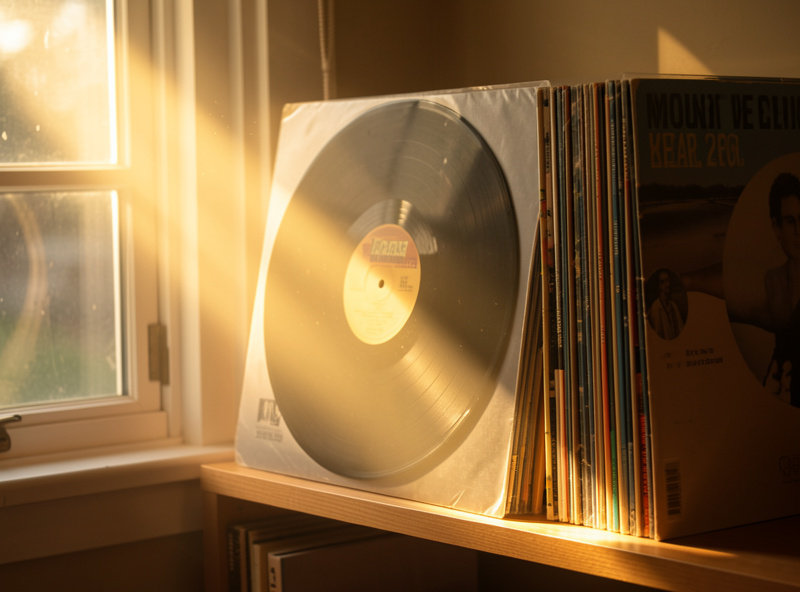
Heat warps more records than anything else, and the dangerous part is how low the threshold is. PVC starts softening well below the temperatures people assume are safe, and the damage is not about one hot afternoon so much as sustained warmth and repeated heat cycling. The classic disasters are a record left in a car, a record stored near a radiator or heat vent, a record in an attic, and a record sitting in direct sun through a window even if the room itself feels fine.
Sunlight is especially insidious because it heats the record directly through the glass while the air around it stays comfortable, so you do not feel the danger. The single most effective warp-prevention rule is to keep records away from every heat source and out of any direct sunlight, full stop. This is why I never store or display records on a sunny windowsill or a south-facing wall, a point I expand on in the guide to storing records properly.
Pressure: Flat Stacking and Leaning
The second great cause is pressure, and it comes in two forms. Flat stacking presses the bottom records under cumulative weight until they dish, which is why upright storage is non-negotiable and why I argue it out fully in the piece on whether to store records vertical or horizontal. Leaning is the subtler one: a record standing at a slant bends along its diameter under its own weight, slowly taking an edge warp even though it is technically vertical.
Both are solved the same way: store records truly upright, packed firm enough to stand straight without leaning, with dividers to brace each section. A section that cannot lean and a record that never bears weight on its face will not warp from pressure. This is also why a properly organized, well-divided shelf prevents warps as a side effect, as I cover in organizing a collection.
Can You Fix a Warped Record?
Sometimes, partially, and with caveats. A minor warp can sometimes be improved, and a severe one usually cannot be returned to truly flat. The honest framing is that recovery is damage control, not a reset, so prevention is always the better investment.
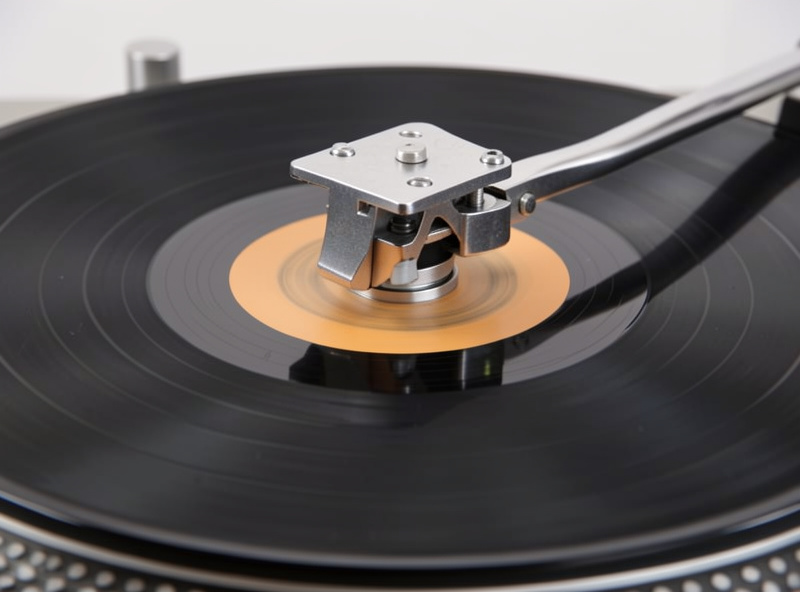
The gentlest first step for a slightly warped record is a record clamp or weight during play, which presses the record flat against the platter mat enough to track cleanly even if the disc is not perfectly flat. A good record weight or clamp is worth owning anyway for speed stability, and it is the simplest mitigation for a mild warp.
For actually flattening a warp, the controlled-heat-and-weight approach is what works, and it is exactly as risky as it sounds if done carelessly. The principle is gentle, even, sustained warmth with the record pressed flat between rigid surfaces, then a slow cool-down. Purpose-built record flatteners exist that do this with controlled temperature, and they are far safer than the oven and glass methods people try, which ruin records constantly. Even with a proper flattener, treat it as a salvage operation for records you would otherwise lose, not routine maintenance.
The Prevention Checklist
Warp prevention comes down to a short, memorable list. Store records vertically and truly upright, never flat, never leaning. Keep them away from all heat sources and out of direct sunlight, including through windows and behind display glass. Maintain a stable, moderate room climate rather than chasing a perfect number. Pack shelves firm with dividers so nothing leans. And during a move, treat heat in the vehicle as the acute danger it is.
Do those five things and warping essentially stops being a problem in your collection. It is the clearest example of how a little storage discipline up front saves records that would otherwise be lost, because unlike dirt or static, a warp does not undo.
Frequently Asked Questions
What causes vinyl records to warp?
Heat and pressure. PVC softens with heat and slowly deforms under sustained pressure. Flat stacking dishes the bottom records, leaning bends them at the edge, and heat from sun, radiators, cars, or attics curves them. All three causes are within your control, which makes warping highly preventable.
At what temperature do records warp?
Lower than most people expect. PVC begins softening well below temperatures that feel comfortable, and the risk grows with sustained warmth and repeated heat cycling rather than a single hot moment. Direct sunlight is especially dangerous because it heats the record through glass while the air stays cool.
Can a warped record be fixed?
Sometimes partially. A minor warp can be improved and a record clamp or weight can press a mildly warped record flat enough to play. Flattening with controlled heat and weight, ideally a purpose-built flattener, can help more, but a severe warp rarely returns to truly flat. Prevention is far better.
Does storing records vertically prevent warping?
Yes, as long as they are held truly upright and not leaning. Vertical storage eliminates the cumulative weight that dishes flat-stacked records. But a leaning record still bends under its own weight, so pack sections firm with dividers so every record stands straight at 90 degrees.
Is it safe to flatten a record in the oven?
No, that method ruins records constantly because home ovens cannot hold the gentle, even, low temperature required and overshoot easily. If you must flatten a warp, use a purpose-built record flattener with controlled temperature, and treat it as a last-resort salvage operation, not routine care.
Can sunlight through a window warp records?
Yes, badly. Sunlight heats the record directly through the glass while the surrounding air stays comfortable, so the danger is invisible. Never store or display records on a sunny windowsill or a south-facing wall, even behind display glass, which only traps more heat.
Disclosure: This article contains affiliate links. If you buy through them I may earn a small commission at no extra cost to you. I only point to gear I would use on my own records.