There is a moment every collector hits where the records stop being a collection you know by heart and start being a pile you have to dig through. For me it was somewhere past a few hundred, when I found myself buying a record I already owned because I could not picture where it was. That is the day organization stops being optional. A good filing system is not about being tidy; it is about being able to put your hand on any record in seconds and, just as importantly, reshelve it without thinking, because the system you actually maintain is the only one that works.
I have reorganized my own shelves more than once, tried the major schemes, and settled into one that fits how my brain reaches for music. So rather than declare one true method, this guide walks through how to organize a vinyl record collection across the real options, with the practical details, like dividers and cataloging, that make any scheme hold up over time. It is one piece of the bigger picture in my complete storage guide.
Organization Is Also Preservation
Here is the part people miss: a well-organized collection lasts longer. When you know exactly where a record lives, you pull it out gently and slide it back in its spot. When you are hunting, you yank records past each other, flip through roughly, and cram things back wherever, and that handling is precisely when ring wear, jacket scuffing, and the occasional dropped record happen. Organization reduces handling damage, which makes it part of preservation, not just aesthetics.
So the goal is two things at once: fast retrieval and gentle handling. Every scheme below is judged on both. The best system is the one that lets you find and refile a record with the least friction, because friction is what wears records and what makes you abandon the system.
The Main Filing Schemes
Alphabetical by artist is the default, and for good reason: it is intuitive, it scales infinitely, and almost everyone already knows the alphabet. Within an artist, most people then go chronological by release date, which tells the story of the artist across the shelf. This is what I run, because it matches how I think about music: by who made it.
By genre, then alphabetical is the record-store model. It groups jazz with jazz, soul with soul, and is wonderful for browsing by mood. The downside is the boundary problem: where does a genre-crossing artist go, and you end up making judgment calls you then have to remember. It shines for collections built around a few clear genres.
Chronological by era or by label are the connoisseur schemes, satisfying for collections with a strong focus, like a deep jazz-label collection filed by catalog number. They are powerful for the right collection and baffling for a general one.
The honest truth is there is no universally correct answer, only the one that matches how you reach for music. Pick the scheme whose lookup question you ask most often. If you think “I want to hear that artist,” go alphabetical. If you think “I want some jazz tonight,” go by genre. The right system is the one where refiling is automatic.
Dividers: The Unsung Hero
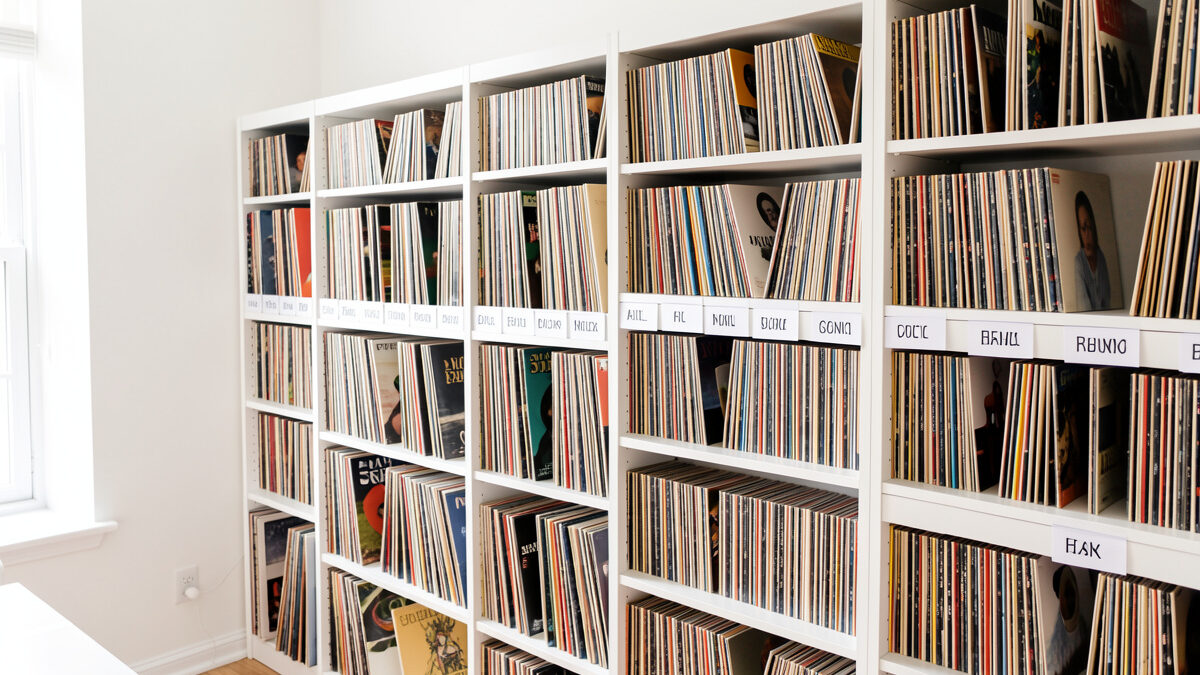
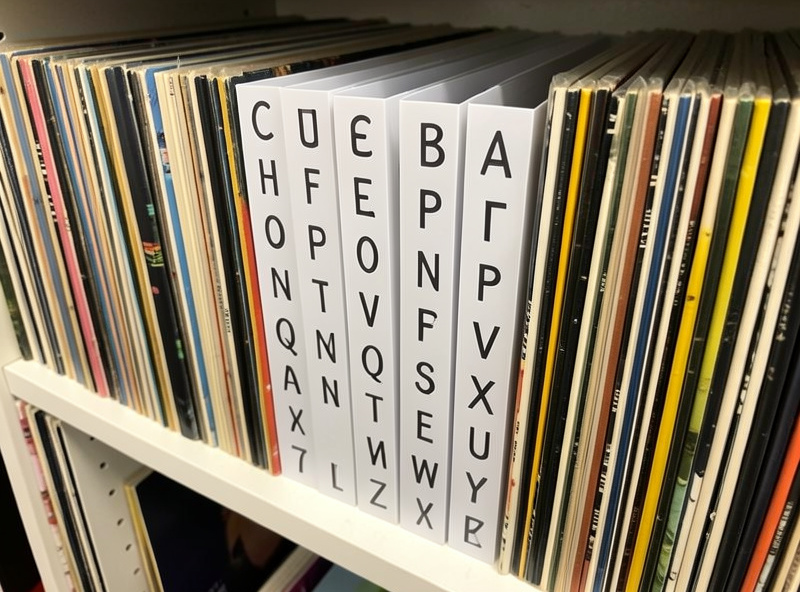
Whatever scheme you choose, dividers are what make it usable day to day, and they do double duty as preservation. A rigid divider every 25 to 30 records, or at each letter or genre break, gives you instant visual navigation and, crucially, keeps each section standing straight instead of collapsing into the lean that slowly warps records. This is the same point I make about packing density in the deep dive on whether to store records vertical or horizontal: a section that cannot lean is a section that does not warp.
I use sturdy alphabetical dividers for the main breaks and a few blanks I can label myself for sub-sections. A set of alphabetical record dividers turns a wall of identical spines into something you can navigate at a glance, and the rigid ones brace the records at the same time. It is the cheapest upgrade to a collection’s usability there is.
Cataloging: When the Shelf Is Not Enough
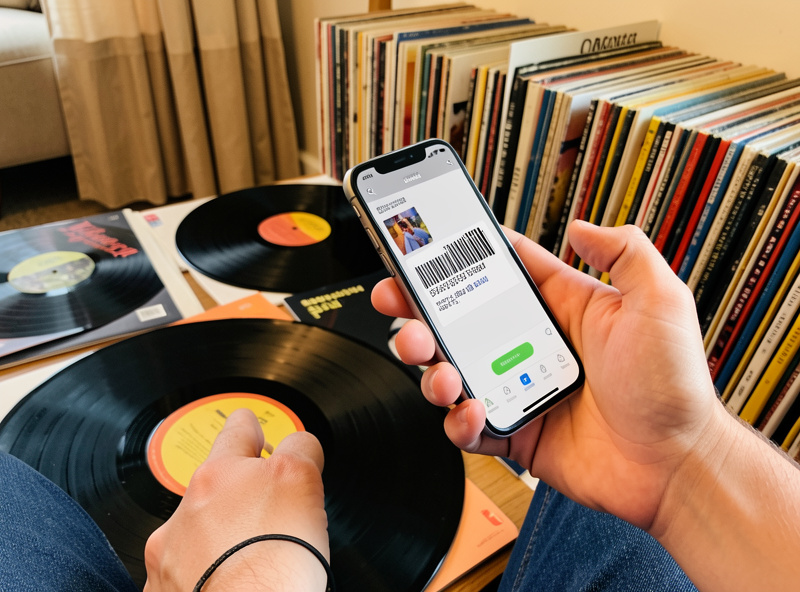
Past a certain size, even a perfectly filed shelf benefits from a catalog, a record of what you own that lives in your pocket. The main reason is avoiding duplicate purchases when you are out record shopping, but a catalog also helps with insurance, with tracking value, and with simply remembering what you have. Several apps let you scan barcodes to build a database quickly, and they sync to your phone so you always have your collection with you.
You do not need anything fancy. Even a simple spreadsheet works. The point is to have a lookup that is not “stand in front of the shelf,” because the whole reason you are cataloging is for the times you are not home. I keep mine current by adding each new record the day it comes in, the same discipline I apply to sleeving and cleaning arrivals.
The Awkward Cases
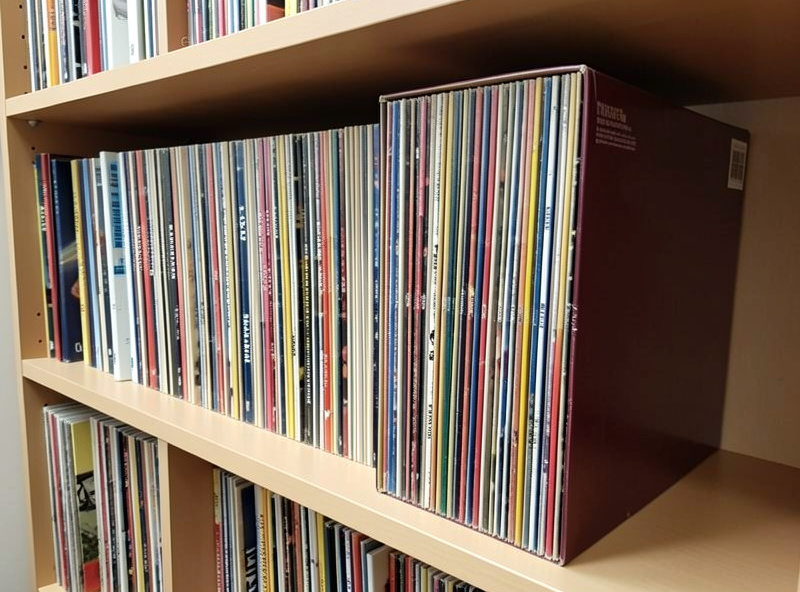
Every system hits edge cases, and deciding them once saves endless re-deciding. Compilations and various-artists albums get their own section in most schemes, because filing them by “various” is useless. Box sets are thick and heavy; I give them an end-of-section or a dedicated shelf so they do not crush their neighbors. Soundtracks, classical, and spoken word often warrant their own areas because they file by different logic, by composer or film rather than by band.
The rule for edge cases is consistency over correctness: there is no perfect home for a various-artists compilation, so just pick one and always use it. The cost of an imperfect rule you follow is far lower than the cost of a perfect rule you forget. Label a divider for each odd category and the awkward records stop being awkward.
Keeping It Going
The hardest part of any system is not setting it up; it is maintaining it. The trick is to make refiling frictionless: a record played goes back in its exact spot before the next one comes out, not into a growing “to refile” pile that becomes a weekend project and a source of handling damage. A small return shelf for records in active rotation is a good compromise, as long as it stays small.
Get the scheme right for your brain, add dividers, keep a catalog, and decide the edge cases once. After that, organization runs itself, and you spend your time listening instead of hunting. A collection you can navigate is a collection you actually enjoy, and one that gets handled gently enough to last.
Frequently Asked Questions
What is the best way to organize a vinyl record collection?
Alphabetical by artist is the best default because it is intuitive, scales infinitely, and makes refiling automatic. Within an artist, file chronologically by release. The genre-then-alphabetical scheme is better if you browse by mood. The right system is whichever matches how you reach for music.
Should I organize records by artist or genre?
By artist if you usually think I want to hear that artist; by genre if you usually think I want some jazz tonight. Artist filing scales effortlessly and avoids boundary calls. Genre filing browses beautifully but forces judgment calls on genre-crossing artists that you then have to remember.
Do I need record dividers?
They are not strictly required but they transform usability and double as preservation. A rigid divider every 25 to 30 records gives instant navigation and keeps each section standing straight rather than leaning, which is exactly the lean that slowly warps records over time.
How should I file compilations and box sets?
Give various-artists compilations their own section, since filing them by various is useless. Box sets are thick and heavy, so place them at the end of a section or on a dedicated shelf so they do not crush their neighbors. Decide each odd case once and apply it consistently.
Is cataloging my records worth it?
Past a few hundred records, yes. A catalog in your pocket stops you buying duplicates while shopping and helps with insurance and tracking value. Barcode-scanning apps build a database quickly, but even a simple spreadsheet works. The key is keeping it current by adding each new record as it arrives.
Disclosure: This article contains affiliate links. If you buy through them I may earn a small commission at no extra cost to you. I only point to gear I use on my own shelves.