What Is a Phonograph?
A phonograph is a device that plays recorded sound from grooved cylinders or flat discs by tracing the grooves with a stylus and converting the mechanical vibrations into audible sound. Thomas Edison invented the phonograph in 1877, originally using wax cylinders. The term phonograph broadly covers all early disc-playing machines from the 1880s through the 1960s, including gramophones and record changers. Today, phonograph refers primarily to vintage or antique machines that play 78 RPM shellac records, while the modern equivalent that plays 33⅓ and 45 RPM vinyl records is called a turntable or record player.
The distinction matters for collectors and buyers because phonographs and turntables use fundamentally different technologies, play different formats, and serve different purposes. Understanding the differences prevents costly mistakes — a modern turntable cannot play 78 RPM shellac records safely, and a vintage phonograph damages modern vinyl LPs.
Phonograph vs Turntable: Key Differences
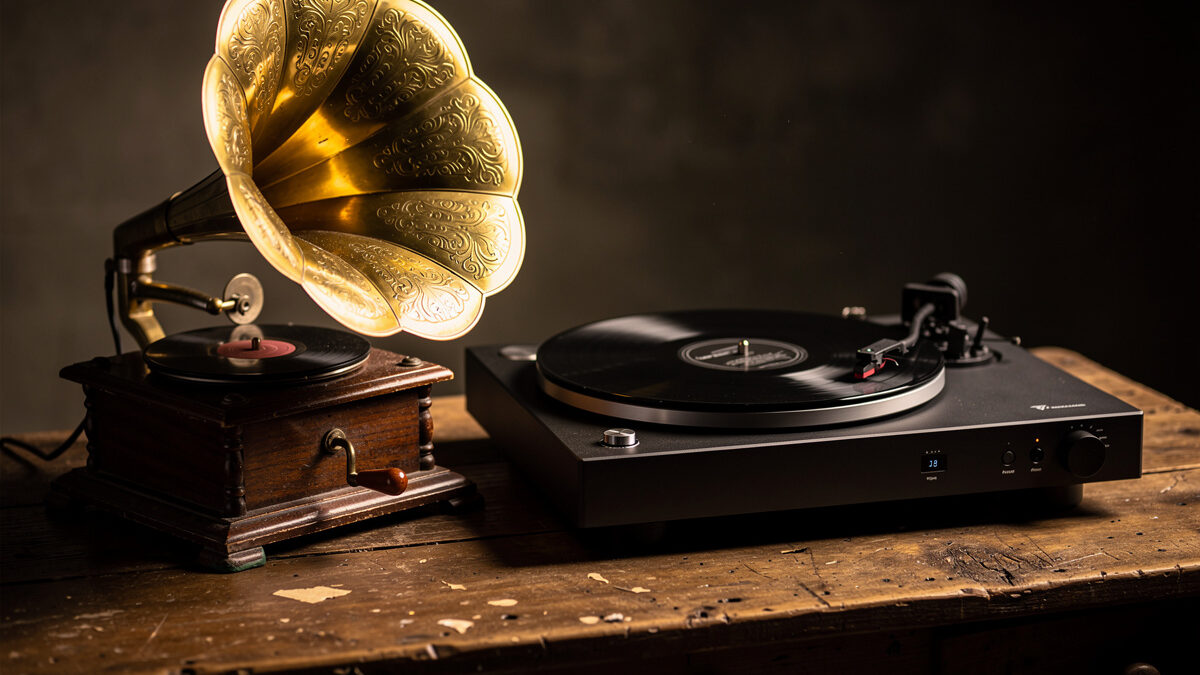
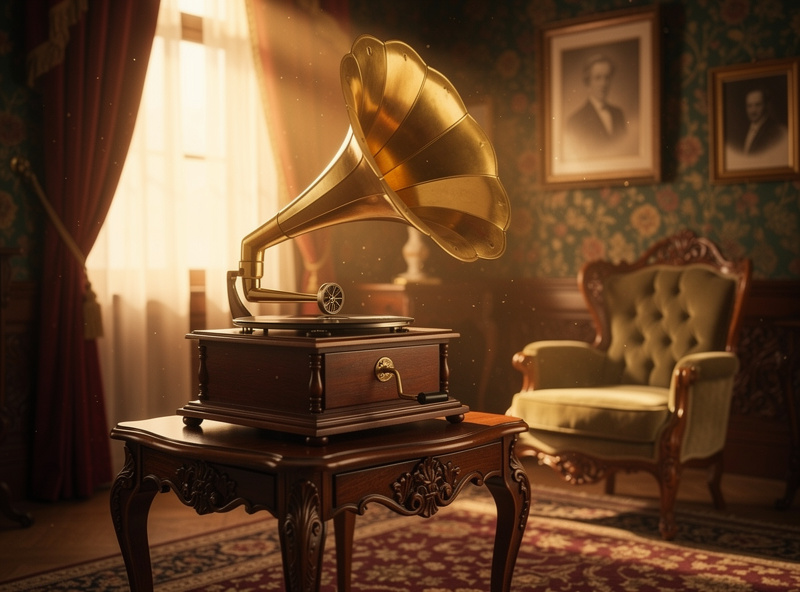
The core technology is similar — both use a stylus to read grooves — but the implementation differs in almost every detail. Phonographs were mechanical devices that used a hand-cranked spring motor, a large acoustic horn, and a heavy tonearm with tracking force measured in ounces rather than grams. Modern turntables use electric motors, electromagnetic cartridges, electronic amplification, and precision tonearms tracking at 1.5–3 grams.
Here is how the two technologies compare across every major dimension:
| Feature | Vintage Phonograph (1900s-1950s) | Modern Turntable (1960s-Present) |
|---|---|---|
| Motor | Spring-wound (hand crank) | Electric (belt or direct drive) |
| Playback Speed | 78 RPM (some 33 or 45) | 33 1/3 and 45 RPM (some 78) |
| Record Format | Shellac (brittle, heavy) | Vinyl (flexible, lightweight) |
| Stylus | Steel needle (single-use) | Diamond or ruby (500-1,000 hours) |
| Tracking Force | 2-6 ounces (90-270 grams) | 1.5-3.5 grams |
| Amplification | Acoustic horn (no electricity) | Electromagnetic cartridge + amplifier |
| Sound Quality | Low fidelity, limited frequency | High fidelity, 20 Hz-20 kHz |
| Record Wear | Severe (steel needle + heavy force) | Minimal (diamond stylus + light force) |
| Current Value | $200-$10,000+ (collectible) | $100-$5,000+ (functional) |
How Vintage Phonographs Work
A vintage phonograph uses a spring-wound motor connected to a turntable via a gear train. The user cranks a handle to tension the spring, which drives the platter at a relatively constant speed for one to two minutes per winding. A governor mechanism regulates speed by using air resistance or friction to limit the spring’s unwinding rate. Speed accuracy varies wildly between machines — well-maintained Edison and Victor phonographs achieve reasonable consistency, while budget machines drift noticeably.
The tonearm on a phonograph is a heavy, rigid assembly that holds a soundbox — a small diaphragm that vibrates when the stylus traces the groove. The soundbox connects to a tapered horn that amplifies the vibrations acoustically, without any electrical amplification. The entire system is mechanical: no electricity, no wires, no speakers. The horn’s size and shape determine the volume and tonal character of the sound. Larger horns produce more volume and deeper bass; smaller horns are portable but sound thin.
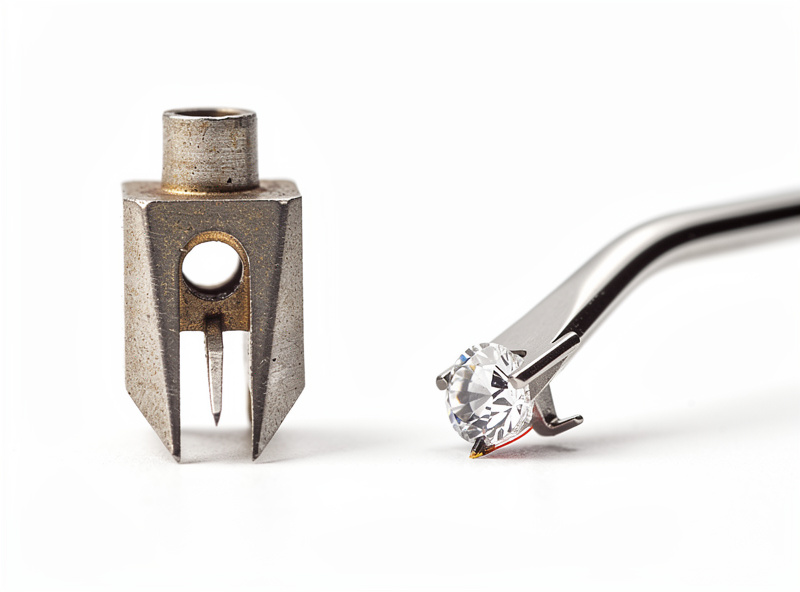
Steel needles were the standard stylus for phonographs. Each needle was designed for a single play — the steel was soft enough to conform to the groove but wore out after one record side. Playing a shellac record twice with the same needle damaged the groove permanently. Replacement needles cost pennies in the 1920s but are now specialty items sourced from vintage audio suppliers.
Why Modern Turntables Replaced Phonographs
Three technological shifts made the phonograph obsolete between the 1920s and 1960s. First, electrical amplification using vacuum tubes (1920s) and later transistors (1950s) eliminated the need for acoustic horns. Electrical amplification boosted the tiny signal from an electromagnetic cartridge to room-filling volume through speakers, with dramatically better frequency response than any horn could achieve.
Second, the shift from shellac to vinyl (late 1940s) changed the record format entirely. Vinyl is flexible, lightweight, and accepts much finer grooves than brittle shellac. Finer grooves allowed the LP format (33⅓ RPM, long-playing) to hold 20+ minutes per side instead of the 3-4 minutes of a 78 RPM shellac disc. The diamond stylus replaced the steel needle, lasting hundreds of hours instead of one play.
Third, precision motors with belt-drive or direct-drive mechanisms replaced spring-wound motors, delivering accurate and consistent speed. A 1960s belt-drive turntable with an electric motor achieves 0.1% wow and flutter — accuracy that no spring-wound phonograph can approach. These three advances — electrical amplification, vinyl format, and precision motors — are the foundation of every modern turntable, from the $149 Audio-Technica AT-LP60X to the $5,000 Clearaudio Concept. Our record player guide covers how these modern components work together.
Collecting Vintage Phonographs
Vintage phonographs are collectible antiques valued for their craftsmanship, historical significance, and decorative appeal. A working Victor Victrola in a wooden cabinet sells for $500-$3,000 depending on condition, model, and provenance. Edison cylinder phonographs range from $200 for common models to $10,000+ for rare or ornate versions. The most valuable machines are those with original horns, intact motors, and unmodified cabinets.
Collectors should understand that phonographs are not practical for daily music listening. The 78 RPM shellac format offers 3-4 minutes per side, limited frequency response (roughly 250 Hz to 4,000 Hz compared to a modern turntable’s 20 Hz to 20,000 Hz), and significant surface noise. The steel needle destroys the record after a single play unless you replace the needle each time. Phonographs are best appreciated as historical artifacts and conversation pieces, not as primary listening devices.
Can You Play 78 RPM Records on a Modern Turntable?
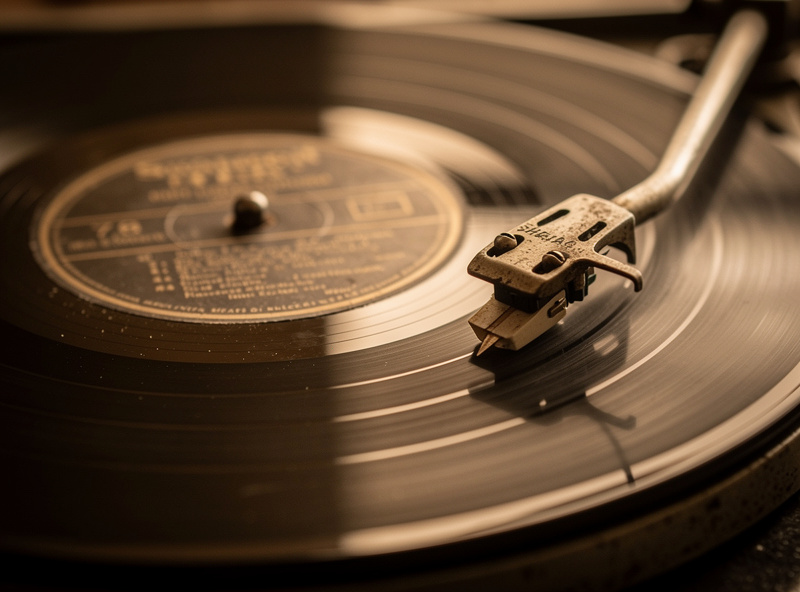
Yes, but only if the turntable supports 78 RPM speed and you use a dedicated 78 RPM stylus. Most modern turntables play at 33⅓ and 45 RPM only. The Audio-Technica AT-LP120X, Technics SL-1200MK7, and some Pro-Ject models include a 78 RPM speed setting. Playing a 78 RPM record at 33⅓ or 45 RPM produces distorted, slow-motion audio.
A standard LP stylus (designed for microgroove vinyl) is too narrow for 78 RPM shellac grooves, which are approximately three times wider. Using a standard stylus on a 78 RPM record damages both the stylus and the record. A dedicated 78 RPM stylus with a wider profile — such as the Audio-Technica AT-VM95SP ($49) — traces the wider grooves correctly. The 78 RPM stylus is a separate stylus that swaps onto the VM95 cartridge body, so you can switch between LP and 78 RPM playback on the same turntable.
Shellac records are also heavier and more brittle than vinyl. Handle them with both hands, store them vertically, and never expose them to temperature extremes. Our vinyl record care guide covers handling and storage principles that apply to both shellac and vinyl formats.
Modern Turntables That Bridge Both Worlds
For listeners who want both modern vinyl playback and occasional 78 RPM shellac listening, a few turntables handle both formats. The Audio-Technica AT-LP120X ($249) plays 33⅓, 45, and 78 RPM with the VM95SP stylus swap. The Technics SL-1200MK7 ($1,199) also supports all three speeds. Pro-Ject’s Debut III Phono SB ($349) includes a speed switch for 33 and 45 RPM but does not support 78 RPM.
For dedicated 78 RPM listening, consider a restored vintage turntable from the 1950s or 1960s that was designed for the format. Garrard, Thorens, and Linn made turntables with 78 RPM settings and heavier tonearms suited to shellac’s wider grooves. These vintage turntables can be serviced and modernized with new cartridges and wiring while preserving their 78 RPM capability. Our turntable upgrade guide covers what to look for when evaluating vintage turntable purchases.
The practical recommendation for most listeners: buy a modern turntable for daily vinyl listening, and if you collect shellac 78s, add a 78 RPM stylus to your existing turntable rather than purchasing a separate phonograph. The sound quality from a modern electromagnetic cartridge on a precision turntable far exceeds what any vintage phonograph can produce, even with 78 RPM records.
Frequently Asked Questions
What is the difference between a phonograph and a turntable?
A phonograph is a vintage mechanical device using a spring motor, steel needle, and acoustic horn to play 78 RPM shellac records. A turntable is a modern electric device using a precision motor, diamond stylus, and electronic amplification to play 33 1/3 and 45 RPM vinyl records.
Can I play modern vinyl records on a phonograph?
No. A vintage phonograph tracking force of 2 to 6 ounces will destroy a modern vinyl LP within a few plays. The steel needle and heavy arm are designed for shellac, not vinyl. Use a modern turntable for vinyl records.
Can a modern turntable play 78 RPM records?
Yes if the turntable supports 78 RPM speed and you use a dedicated 78 RPM stylus with a wider profile. Standard LP styli are too narrow for shellac grooves. The Audio-Technica AT-VM95SP stylus at $49 fits the VM95 cartridge body.
Are vintage phonographs worth collecting?
Yes as historical artifacts and decorative pieces. A working Victor Victrola sells for $500 to $3,000. Edison cylinder phonographs range from $200 to $10,000 plus. They are not practical for daily listening due to limited sound quality and single-use steel needles.
Why did phonographs use steel needles?
Steel needles were soft enough to conform to the shellac groove surface, providing good contact for acoustic reproduction. They wore out after one play by design — the soft steel sacrificed itself to protect the relatively hard shellac groove. Replacement needles cost pennies.
How much is a vintage phonograph worth?
Common working phonographs from the 1920s to 1940s sell for $200 to $800. Rare models, ornate cabinets, and Edison cylinder machines can reach $3,000 to $10,000 plus. Condition, originality, and provenance determine value.
Related Articles
- Record Player Guide 2026: How to Choose, Set Up, and Enjoy Vinyl
- Best Vinyl Player 2025: Top Turntables and Record Players
- Audio-Technica Turntables Compared: LP60X vs LP120X vs LP3
- Vinyl Record Care Guide: Protect Your Collection for Decades
- Turntable Upgrade Guide: Cartridges, Platters, Mats, and Tonearms