Why Upgrade Your Turntable Platter?
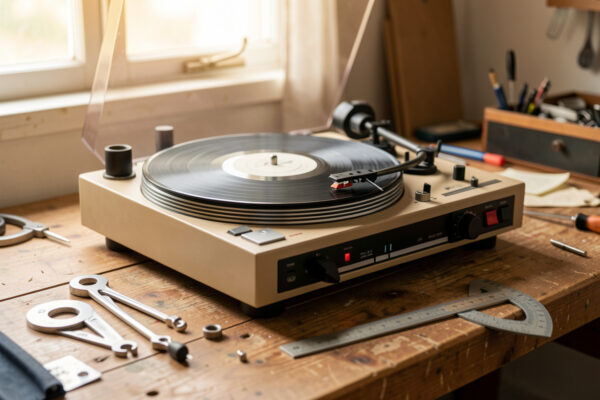
The turntable platter holds the record and rotates beneath the tonearm. Stock platters on budget turntables are typically stamped aluminum with a thin rubber or felt mat. These platters ring audibly when tapped, transferring metallic resonance into the vinyl record during playback. Upgrading to an acrylic, glass, or heavier metal platter reduces this resonance and can improve speed stability through increased rotational mass.
Platter upgrades range from $50 for aftermarket acrylic platters to $300+ for precision-machined glass or stainless steel options. The improvement is most noticeable on turntables with lightweight stock platters under 1.5 kg. Heavier platters also store more kinetic energy, helping the motor maintain consistent speed through demanding musical passages with heavy bass modulations.
Acrylic Platters
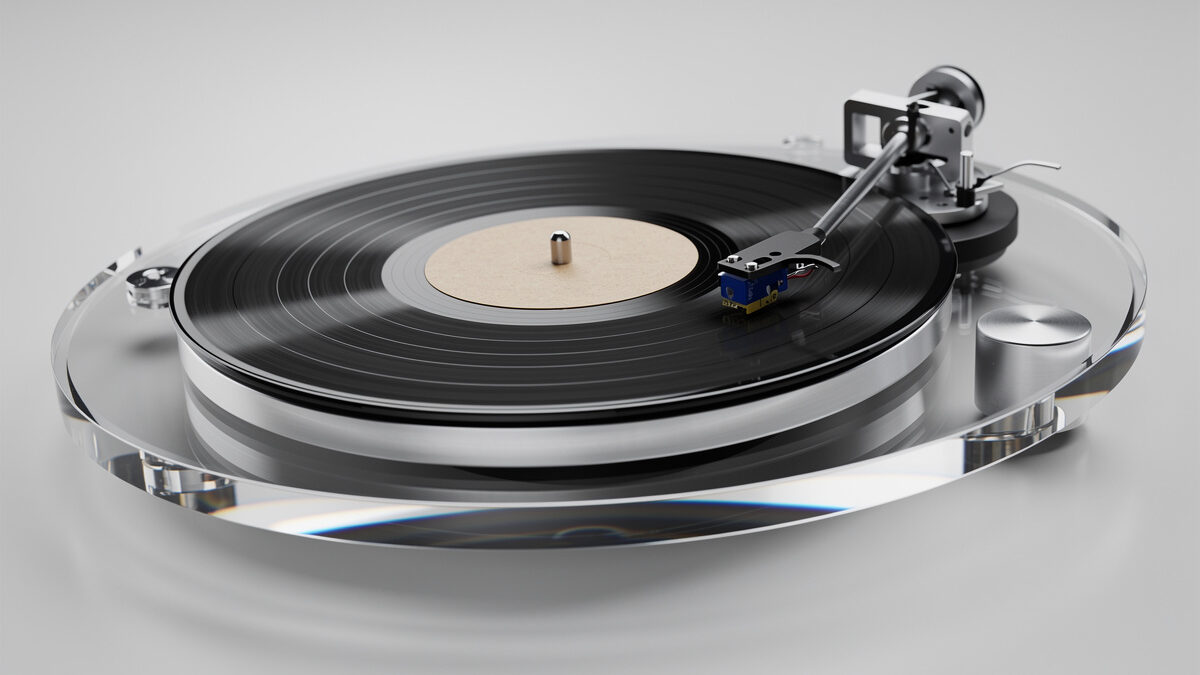
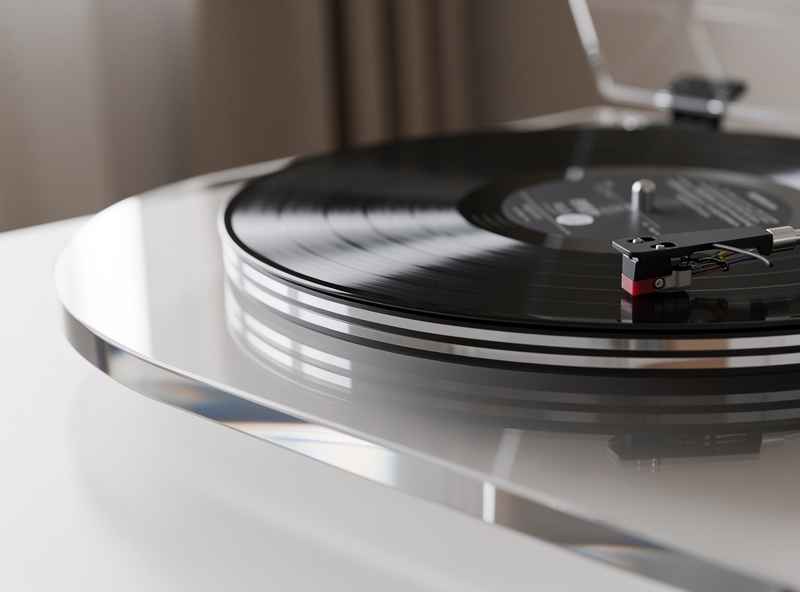
Acrylic platters are the most popular turntable platter upgrade because they eliminate the need for a mat entirely. The acrylic surface has a similar acoustic impedance to vinyl, so the record couples directly to the platter without a resonance-inducing interface layer. This eliminates the mat variable and simplifies the signal path between the groove and the platter.
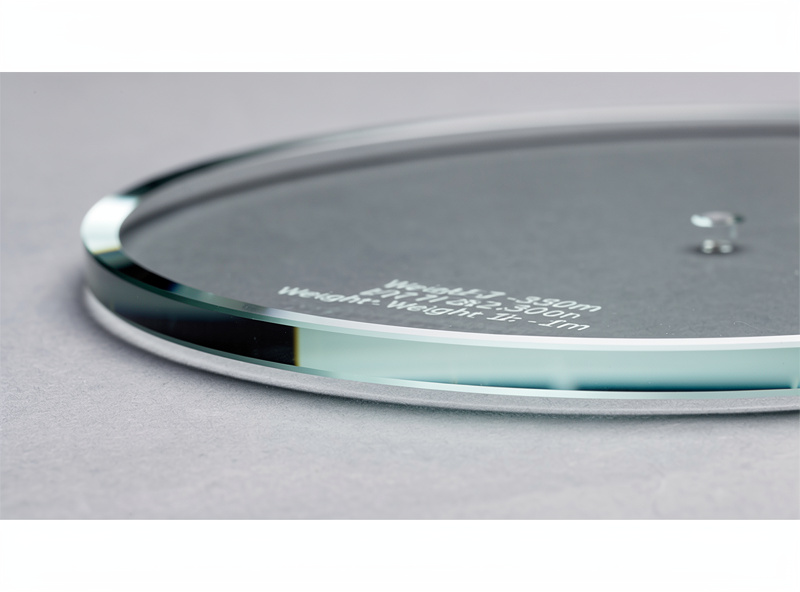
Acrylic also naturally damps resonance without ringing. Tap an aluminum platter and it rings like a bell; tap an acrylic platter and it produces a dull thud. This damping translates to a cleaner, more focused sound with tighter bass and less grain in the treble. The Fluance acrylic platter ($59) fits the Fluance RT82 through RT85 series. Pro-Ject, Rega, and aftermarket manufacturers offer acrylic platters for their turntables as well.
Acrylic platters are heavier than stock aluminum platters of the same diameter, adding rotational inertia that improves speed stability. A typical acrylic platter weighs 1.5–2.5 kg compared to 0.8–1.2 kg for stamped aluminum. This extra mass helps the motor maintain 33⅓ RPM during loud, bass-heavy passages where the stylus creates significant drag on the record surface.
Glass Platters
Glass platters offer the highest mass-to-cost ratio of any platter material. A precision-ground glass platter weighs 2–4 kg and provides excellent resonance damping due to glass’s high internal loss factor. Linn LP12 turntables have used glass platters for decades, and the material remains popular in high-end turntable design.
The main disadvantage of glass is fragility. A dropped glass platter shatters, and replacement platters for discontinued turntables can be impossible to find. Glass also requires a mat because the hard, smooth surface does not couple well with vinyl. Without a mat, records slide on glass and microphonics increase.
Aftermarket glass platters are available for Rega and Pro-Ject turntables from companies like GrooveTracer ($180–$250). These platters are typically 10–12mm thick and add significant rotational inertia. The sonic signature of glass is neutral and transparent, with a slightly different character than acrylic—glass tends to be more precise and analytical, while acrylic is slightly warmer and more forgiving.
Metal Platters: Aluminum, Stainless Steel, and Brass
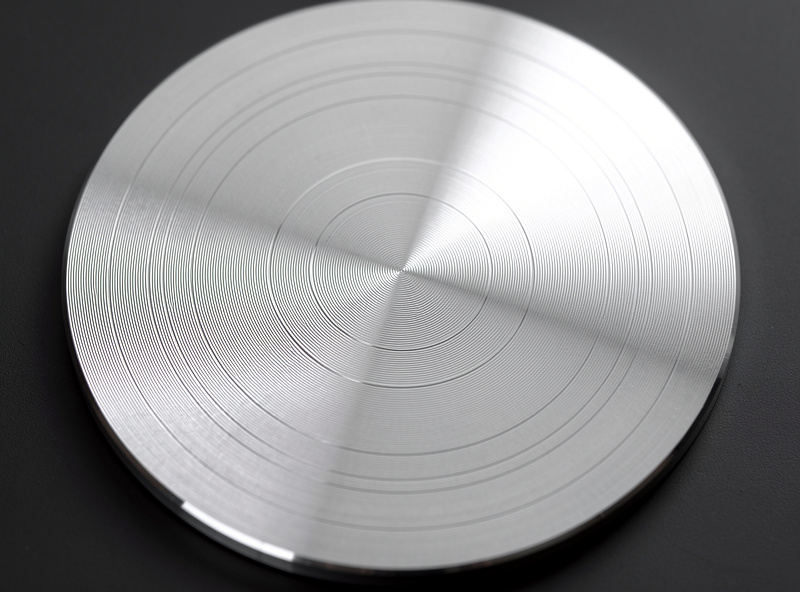
Stock platters are almost always aluminum because it is cheap, light, and easy to machine. Upgraded aluminum platters are thicker and heavier than stock versions, adding mass without changing the material. Stainless steel platters are denser than aluminum, providing even more rotational inertia at the same diameter. Brass platters are the heaviest common option and add a warm, rich character to the sound.
The disadvantage of all metal platters is ringing. Even a thick stainless steel platter rings when struck, and this resonance transfers into the record. Metal platters always require a mat to decouple the record from the resonant metal surface. Without a mat, the ringing is directly audible as a metallic haze over the music.
| Material | Typical Weight | Resonance | Needs Mat? | Tonal Character | Price Range |
|---|---|---|---|---|---|
| Aluminum (stock) | 0.8–1.2 kg | Rings | Yes | Neutral | $0 (included) |
| Aluminum (upgraded) | 1.5–2.5 kg | Rings less | Yes | Neutral | $50–$150 |
| Acrylic | 1.5–2.5 kg | Damped | No | Neutral-Warm | $50–$200 |
| Glass | 2–4 kg | Damped | Yes | Analytical | $150–$300 |
| Stainless Steel | 2.5–4 kg | Rings | Yes | Precise | $100–$300 |
| Brass | 3–5 kg | Rings | Yes | Warm-Rich | $200–$500 |
Platter Weight and Speed Stability
Heavier platters store more kinetic energy, which acts as a flywheel that smooths out speed variations caused by motor cogging, belt slippage, or stylus drag. The improvement is most audible on belt-drive turntables where the belt is the weakest link in the speed-stability chain. A 2 kg platter spinning at 33⅓ RPM stores roughly twice the energy of a 1 kg platter at the same speed.
Speed stability is measured as wow (slow speed variations, below 6 Hz) and flutter (fast variations, above 6 Hz). A heavier platter reduces wow by resisting the torque variations that motors produce during each revolution. It reduces flutter less because flutter frequencies are too fast for rotational inertia to correct—they are controlled by motor quality and belt tension instead.
For direct-drive turntables, platter weight matters less because the motor feedback loop actively corrects speed variations. Direct-drive decks like the Technics SL-1200MK7 maintain tight speed accuracy regardless of platter mass. On belt-drive turntables, upgrading from a 1 kg to a 2.5 kg platter can reduce wow by 20–30%, which is audible as improved pitch stability on sustained notes.
Compatibility and Fitment
Not every platter fits every turntable. Platters must match the spindle diameter, hub height, and belt path of the specific turntable model. Most aftermarket platters are designed for specific turntable families—Fluance, Pro-Ject, Rega, or U-Turn—and will not fit turntables from other manufacturers without modification.
Before purchasing a platter, measure your current platter’s inner diameter, spindle height, and belt groove position. Check whether the turntable uses a sub-platter (a separate inner platter that holds the spindle) or a direct spindle mount. Sub-platter designs like Rega and Pro-Ject use standardized spindle sizes, making aftermarket platters more interchangeable. Direct spindle mounts are less standardized and may require custom solutions.
Acrylic platters are the most universal aftermarket option because many turntables with 12-inch platters can accept an acrylic platter of the same diameter as a drop-in replacement. The Fluance acrylic platter, for example, fits all Fluance RT82–RT85 turntables without modification. For compatibility with other turntable brands, see Turntable Upgrade Guide.
Sub-Platter Upgrades
The sub-platter is the inner component that holds the main bearing spindle and interfaces with the belt. Many turntable manufacturers offer upgraded sub-platters made from machined aluminum or stainless steel to replace stock plastic or stamped-metal sub-platters. A stiffer sub-platter reduces bearing noise and improves coupling between the belt and the platter.
The Rega white sub-platter upgrade ($95) replaces the stock plastic sub-platter on Rega Planar 1 and 2 turntables with a machined aluminum version. Pro-Ject offers a similar aluminum sub-platter for the Debut series. These upgrades are smaller and cheaper than full platter replacements but can deliver noticeable improvements in bass definition and background silence.
Sub-platter upgrades make the most sense when combined with a platter upgrade. A precision sub-platter with a stock stamped-aluminum platter still suffers from platter ringing. Pair an upgraded sub-platter with an acrylic or glass platter for the full benefit.
How to Install an Aftermarket Platter
Most aftermarket platters are drop-in replacements that require no tools. Lift off the old platter (and mat if present), clean the sub-platter spindle and bearing well, and place the new platter onto the spindle. For acrylic platters, place the record directly on the acrylic surface with no mat. For glass or metal platters, add your preferred mat on top.
After installing a new platter, recheck the tracking force with a digital gauge. Platters of different weights change the tonearm’s balance slightly, and the tracking force may drift by 0.1–0.2 grams. This small error is not catastrophic but should be corrected for optimal tracking and minimal record wear.
Some platters require a new belt if the belt groove position differs from the stock platter. Measure the belt groove diameter of your new platter and compare it to the stock platter. If the new groove is 5mm+ larger in diameter, order a belt sized for the new platter to maintain correct speed. Standard turntable belts are available in 0.5mm increments from suppliers like Turntable Basics and Vintage Electronics.
Frequently Asked Questions
What is the best platter upgrade for a budget turntable?
An acrylic platter offers the most improvement for the money. It eliminates the need for a mat, damps resonance naturally, and adds rotational mass for better speed stability. The Fluance acrylic platter at $59 fits several Fluance models and is the most popular budget platter upgrade.
Do I need a mat with an acrylic platter?
No. Acrylic platters are designed for direct record contact. The acrylic surface has similar acoustic impedance to vinyl and provides natural damping without a mat. Adding a mat on acrylic reintroduces an unnecessary interface layer.
Does a heavier platter improve sound quality?
Yes, primarily by improving speed stability. A heavier platter stores more kinetic energy, resisting motor cogging and stylus drag. A 2 kg platter can reduce wow by 20–30% on belt-drive turntables compared to a 1 kg stock platter.
Will any acrylic platter fit my turntable?
No. Platters must match the spindle diameter, hub height, and belt path. Most aftermarket platters are designed for specific turntable families. Measure your platter’s inner diameter and spindle height before purchasing an aftermarket platter.
Is a glass or acrylic platter better?
Glass provides more mass and a slightly analytical character. Acrylic is more universally compatible, eliminates the mat requirement, and has a warmer presentation. Both are significant upgrades over stamped aluminum. Acrylic is the better value for most turntables.
Do platter upgrades work on direct-drive turntables?
Platter upgrades are less impactful on direct-drive turntables because the motor feedback loop already corrects speed variations. Direct-drive decks like the Technics SL-1200 maintain tight speed accuracy regardless of platter mass. Platter upgrades primarily benefit belt-drive turntables.
Cleaning and Maintaining Your New Platter
After installing an aftermarket platter, clean the bearing well and apply a drop of turntable bearing oil to the spindle tip. Most turntable manufacturers specify a light machine oil (such as Mobil 1 0W-20 or the manufacturer-supplied oil) for bearing lubrication. A dry bearing increases friction and noise, negating some of the platter upgrade benefit.
For acrylic platters, wipe the surface with a dry microfiber cloth before each listening session to remove dust. Avoid liquid cleaners on acrylic—they can leave residue that transfers to the record. For glass and metal platters, clean with a damp cloth and dry thoroughly to prevent water spots. Our turntable bearing maintenance guide covers oil types, lubrication frequency, and noise diagnosis in detail.
Related Articles
- Turntable Upgrade Guide: Cartridges, Platters, Mats, and Tonearms
- Turntable Mat Guide: Rubber, Cork, Leather, and Felt Compared
- Belt Drive vs Direct Drive Turntables: Which Is Better?
- Turntable Bearing Maintenance: Lubrication and Noise Reduction
- Turntable Buying Guide 2026: How to Choose Your First Record Player