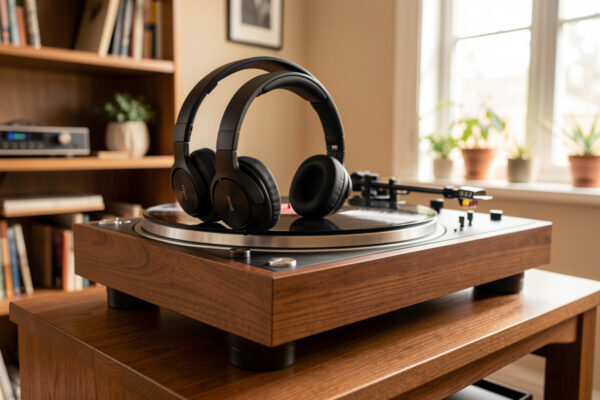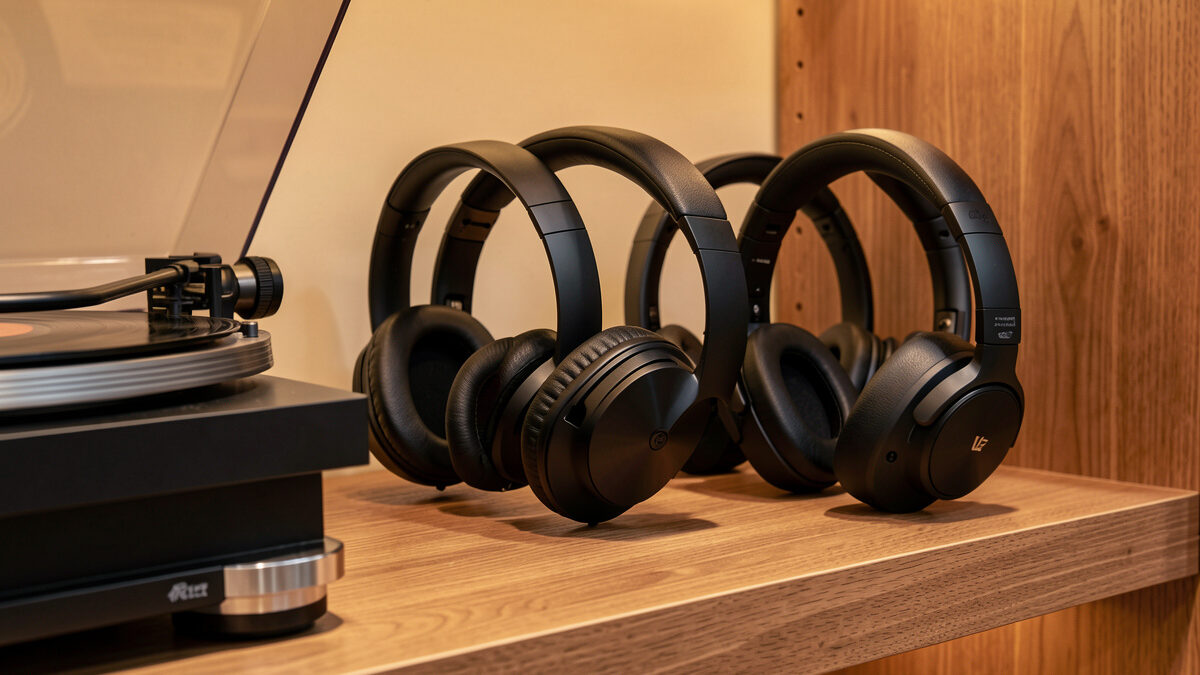
The best headphones for vinyl listening are the ones matched to your room and your amplifier — not the most expensive pair on the shelf. For a quiet room, an easy-to-drive open-back in the 50-to-120-ohm range gives the most natural sound for the least fuss; for shared spaces, a good closed-back is the smarter buy.
I keep both open and closed designs on the bench because they do different jobs, and I have driven them off everything from a phone-grade jack to a proper desktop amp. What follows is not a spec-sheet ranking — it is how I actually sort headphones for record listening: by how hard they are to drive, how much room noise you can tolerate, and where they sit in the spend-it-in-the-right-order logic that runs through everything I write about vinyl. Read this alongside the complete headphones for vinyl guide, which covers the chain these headphones plug into.
How I Choose Headphones for Records
Three questions settle it: how quiet is your room, what can your amp drive, and how revealing do you want the sound to be. Get those answers first and the shortlist narrows itself — a 300-ohm open-back is a brilliant headphone and a terrible choice if your only source is a weak receiver jack in a shared apartment.
Room comes first because it decides open versus closed. Amp comes second because it decides impedance and sensitivity — there is no point owning headphones your gear cannot drive to proper volume and bass control. Revealing-ness comes third: a more detailed headphone shows you more of the record, but it also shows you more of your setup flaws, so it rewards a clean cartridge and a properly loaded phono stage. If your front end is still rough, a slightly forgiving headphone is the kinder choice while you dial things in. I cover that dialing-in work in the setup and calibration guide.
Best Open-Back All-Rounders
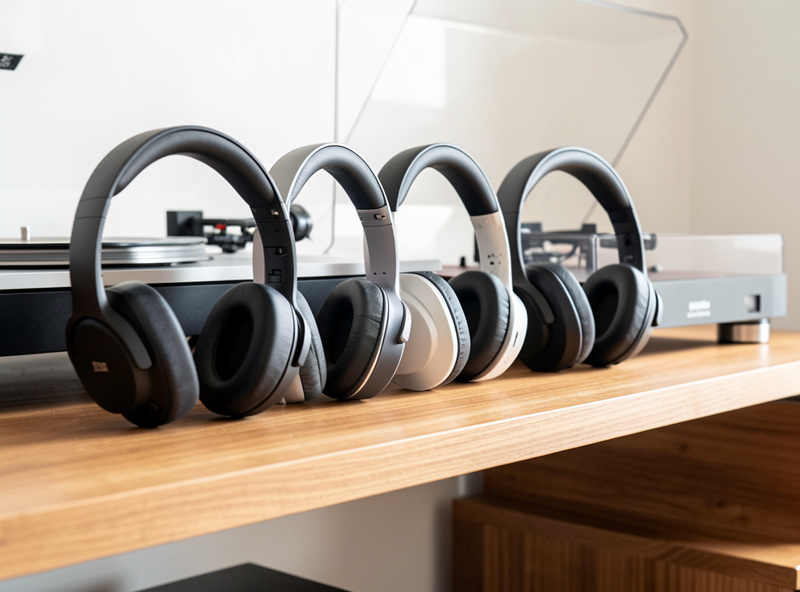
For a quiet room, an open-back dynamic in the mid-impedance range is the sweet spot for vinyl — natural tone, wide imaging, and enough efficiency to drive without a flagship amp. This is the category I reach for first when I want to hear exactly what a cartridge is doing.
The classic reference-style open-backs sit around 120 to 300 ohms and reward a real amp with a balanced, honest sound that suits the analog warmth of a good pressing without exaggerating it. A 120-ohm open-back is a forgiving entry to that world — detailed but drivable from a modest amp — while the 300-ohm references want proper voltage to come alive but give you a benchmark-level view of the record in return. The thing they share is restraint: they do not hype the bass or sharpen the treble, which is exactly what you want when the source is already doing the coloring. If you are shopping this category, start with a search for open-back headphones for vinyl and check the impedance against what your amp can deliver. The full open-back case is in the open-back headphones for vinyl guide.
Best Closed-Back for Shared Rooms
When you cannot leak sound into the room, a good closed-back gives up surprisingly little to an open-back at the same price. The best ones in the 32-to-80-ohm range are easy to drive, isolate well, and still image cleanly enough for serious record listening.
Closed-back designs seal the earcup, which contains the leak and blocks room noise — exactly what you need late at night or next to a sleeping partner. The tradeoff is a slightly more closed, occasionally warmer presentation, but a well-engineered closed-back narrows that gap a lot. Studio-style closed-backs around 38 ohms are easy to drive from almost anything and tune neutrally enough for vinyl; others lean toward a fuller low end that some listeners actually prefer on records. The deciding factor is fit and seal — a closed-back only isolates and delivers its bass if it seals properly around your ears. The full open-versus-closed breakdown lives in the closed vs open headphones comparison.
Planar Magnetic for Detail Seekers
If you have a real headphone amp and want the most resolution for the money, a planar-magnetic open-back is the detail champion of this list. They show low impedance but low sensitivity, so they need current — but fed properly, they deliver tight, fast bass and a clarity that flatters a clean vinyl front end.
The mistake people make is reading a planar’s 30-to-40-ohm impedance as easy-to-drive and pairing it with a weak source. It will play, but soft and lifeless. I made exactly that error the first time I bought a planar, running it off a cheap dongle and nearly boxing it back up before I moved it onto a proper desktop amp and heard what it could actually do. Give it a competent amp and the same headphone snaps into focus with the kind of bass control and detail that exposes everything good and bad about your setup. That makes planars a brilliant monitor for cartridge and phono-stage evaluation — but a poor choice if you have not sorted your amp yet. This is the category where the headphone amp genuinely matters, which is why I treat it as a step-up purchase, not a starting point. The headphone amplifier guide covers what these designs actually need.
Best Value Picks to Start With
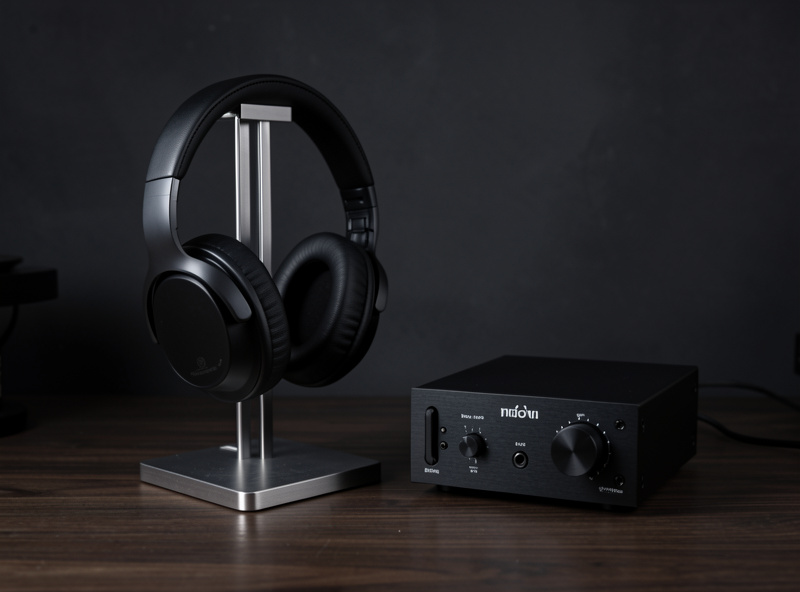
You do not need to spend big to hear the benefit of headphones on vinyl. A well-regarded budget open-back around 32 ohms, drivable straight from a receiver, delivers most of the experience for a fraction of the cost — and is the right first step for almost everyone.
The value end of this hobby is genuinely good now. An efficient budget open-back gives you the spacious, room-free sound that is the whole point, without forcing an amp purchase on day one. A forward, lively on-ear design is the other value path if you like an energetic sound and have the room to yourself. Either one lets you confirm you actually enjoy headphone listening before you commit serious money to the chain. The dedicated budget headphones for turntable guide goes deep on the value picks and the drive they realistically need; for most people, that is where the buying should start.
Shortlist at a Glance
The table sorts my categories by the two specs that decide compatibility — impedance and whether you will need an amp — alongside the room and listener each one suits. Match the row to your situation before you match it to a brand.
| Category | Type | Impedance | Amp Needed? | Best For |
|---|---|---|---|---|
| Reference open-back | Open dynamic | 120-300 ohm | Yes for 250-300 ohm | Critical listening in a quiet room |
| Studio closed-back | Closed dynamic | 32-80 ohm | Usually no | Shared rooms, late nights |
| Planar open-back | Planar magnetic | 30-40 ohm, low sensitivity | Yes, always | Detail seekers with a real amp |
| On-ear lively | Open on-ear | 32-48 ohm | Sometimes | Forward, energetic sound on a budget |
| Budget open-back | Open dynamic | ~32 ohm | No | First step into headphone vinyl |
As an Amazon Associate I earn from qualifying purchases.
Match the Headphone to the Whole Chain
The best headphone in the world sounds mediocre fed by a misaligned cartridge and a noisy phono stage. Before you upgrade headphones, make sure the front end deserves them — a clean cartridge, correct loading, and a quiet phono stage do more for the sound than any headphone swap.
This is the part headphone reviews skip, because they test on reference systems you do not own. On your actual deck, the limiting factor is usually the cartridge alignment and the phono stage, not the headphone. A modest pair on a perfectly set-up front end will beat a premium pair on a sloppy one, every time, because headphones remove the room that was hiding the flaw. So treat a headphone upgrade as the reward for sorting the chain, not a shortcut past it. Check your cartridge loading and your phono stage first, then buy the headphones your room and amp can actually support. The phono-to-headphone chain guide ties the whole signal path together.
Frequently Asked Questions
What are the best headphones for vinyl listening overall?
For a quiet room, an easy-to-drive open-back in the 50 to 120-ohm range gives the most natural sound with the least fuss. For shared spaces, a good closed-back around 32 to 80 ohms is the smarter pick. Match the headphone to your room and amp, not to price.
Do expensive headphones sound better on vinyl?
Only if the rest of the chain deserves them. A premium headphone fed by a misaligned cartridge and a noisy phono stage sounds worse than a modest pair on a clean, properly set-up front end, because headphones expose setup flaws the room normally hides.
What impedance headphones should I get for a turntable?
If you are driving them from a receiver or integrated amp jack, stay around 32 to 120 ohms for easy drive. Only go for 250 to 300-ohm headphones if you have a dedicated headphone amp that can deliver the voltage they need.
Are planar magnetic headphones good for vinyl?
Yes, if you have a real amp. Planars offer excellent detail and tight bass that flatter a clean vinyl front end, but their low sensitivity means they need current. Driven from a weak source they sound soft and lifeless, so they are a step-up purchase.
Can I use studio monitor headphones for vinyl?
Yes. Neutral studio closed-backs around 38 ohms are easy to drive and tuned flat, which suits vinyl well and isolates you in a shared room. Their honesty also makes them useful for hearing whether your cartridge and phono stage are set up correctly.