The original press vs repress vinyl debate is one of the most over-fought arguments in collecting, and the honest answer is that neither wins by default. An original pressing can sound better when it was cut from the master tape and struck from fresh stampers — but a worn, heavily-played original routinely loses to a clean modern reissue cut from a good source. The pressing that sounds best is the one mastered well and pressed cleanly, regardless of the year stamped on the label.
I have A/B’d originals against reissues on the same deck, same cartridge, same phono stage, and the result is never as one-sided as the forums claim. What you are really choosing between is sound, condition, and collectibility — three separate things that people blur together. Sort them out and the buying decision gets a lot simpler.
What Counts as an Original Pressing
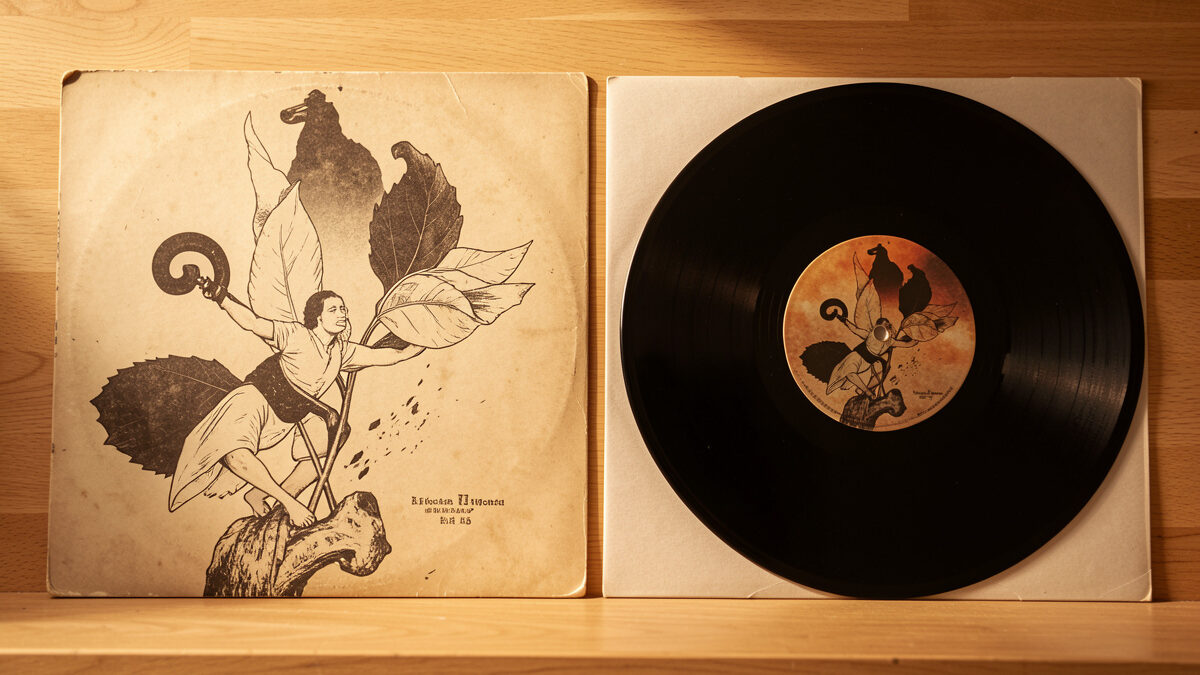
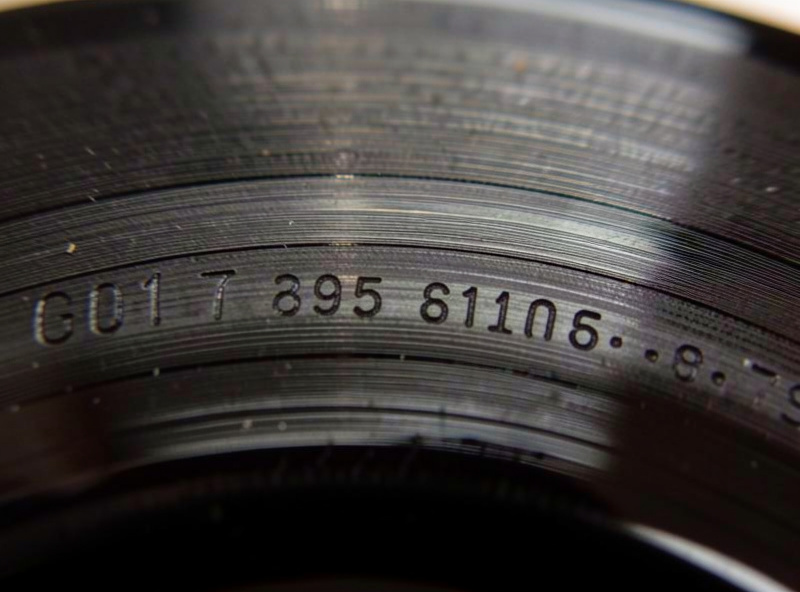
An original pressing is, strictly, a copy from the first manufacturing run of a release — the earliest stampers, often cut from the original master tape, before the title was re-cut or re-released. The dead-wax matrix and stamper numbers etched in the run-out are how you identify it, not the jacket, which can be reprinted or swapped. A first-press disc in a later sleeve is common, and so is the reverse.
Why does the first run sometimes sound better? Stampers wear with every record they press, so early strikes capture more groove detail than late ones, and the earliest cut is usually closest to the source tape with the fewest generations of copying in between. Those are real, physical reasons — not romance. But they only matter if the specific copy in front of you is actually an early strike and is actually in good condition, which is a much narrower claim than “originals sound better.”
When a Repress Wins
A modern reissue wins more often than purists admit. Today’s better reissue programs work from high-quality transfers, are cut by skilled mastering engineers, and are pressed on flat, quiet vinyl at plants with good quality control. Set one of those against a 50-year-old original that has been played a thousand times, and the clean reissue can deliver the more enjoyable listen at a fraction of the price.
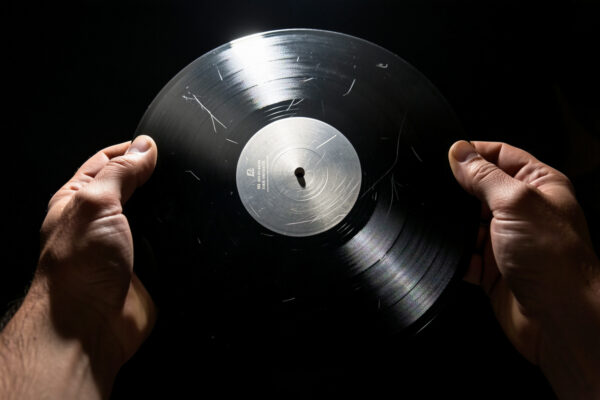
The condition factor is decisive. A reissue arrives Near Mint; an affordable original is often VG with groove wear that no cleaning removes. Wear lives in the groove walls as permanent distortion, and a clean new cut simply does not have it. For most listeners, a good reissue delivers the large majority of the sonic experience of a clean original for far less money — and removes the gamble on a used copy entirely. That is why I tell beginners to reach for a respected reissue first and chase originals only once they know what they are buying.
Reading Matrix Numbers and Mastering Credits
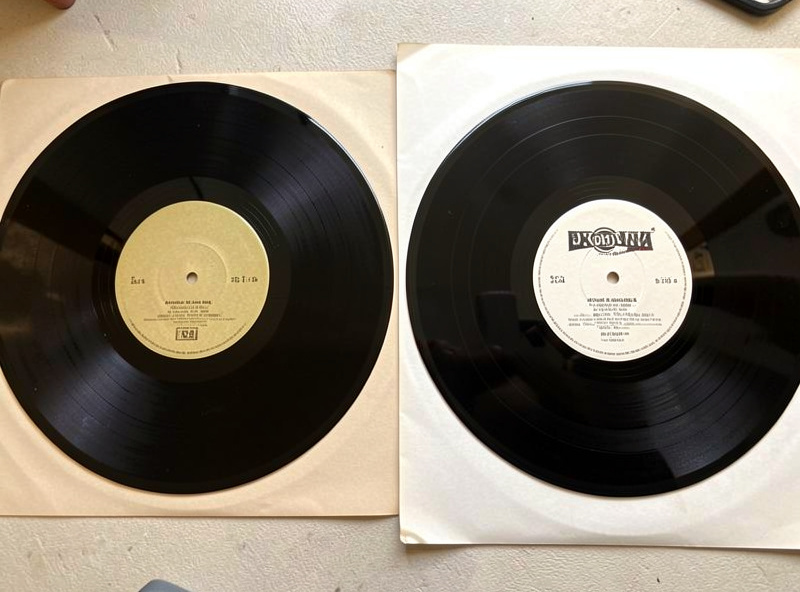
The way to settle the question on a specific record is to read the disc itself. The matrix and stamper codes in the dead wax identify the cut and how early the strike was; lower stamper numbers mean fresher stampers. Mastering credits — sometimes an engineer’s initials etched in the run-out — tell you who cut it and from what, and certain mastering sources are prized while others are known to be flat.
You do not need to become a dead-wax scholar to use this. Cross-reference the codes against a release database and you can usually tell an early original from a later repress and judge whether a reissue came from a respected source. The deep connoisseurship — valuing a specific stamper variant, chasing a particular engineer’s cut — is territory the high-end collector side obsesses over, and TOTL reviewers report real differences there. For practical buying, the basics are enough to avoid overpaying. If you are building this skill, my grading guide covers reading the dead wax alongside condition.
Original vs Repress: The Honest Comparison
Here is how the two stack up on the factors that actually drive the decision. Note that “sound” depends entirely on condition and mastering source — which is the whole point.
| Factor | Original Pressing | Quality Repress |
|---|---|---|
| Mastering source | Often original tape, fewest generations | Varies — can be excellent or flat |
| Stamper freshness | Best if an early strike | New stampers, consistent |
| Typical condition | Used, often VG to VG+ | Sealed, Near Mint |
| Price | Premium, sometimes steep | Affordable |
| Pressing quality | Era-dependent | Usually flat and quiet |
| Best for | Clean early strikes, collectibility | Sound per dollar, everyday listening |
Sound vs Collectibility
The premium on an original is partly fidelity and partly collectibility, and you should know which one you are paying for. If you want the music, condition and mastering source decide the sound, and a clean reissue often delivers it cheaper. If you want the object — the original artifact, the era-correct label, the complete first-press package — that is a collector’s premium, and it is a legitimate reason to buy, just not a sonic one. Problems start when buyers pay collector money expecting a sonic upgrade that a worn original cannot deliver.
My own rule is to pay up for an original only when it is genuinely clean — VG+ or better — and when there is a real mastering reason to prefer it. If a respected reissue exists and the original on offer is below VG+, I take the reissue and save the difference. The genres where this matters most are the dynamic, detailed ones; I cover which in best vinyl genres for sound quality.
What an A/B Actually Sounds Like
Run a clean original against a good reissue on the same rig and the difference is rarely night-and-day — it shows up at the edges. On my Technics with an Ortofon 2M Bronze, a fresh early strike tends to have a touch more air around cymbals and a quieter lead-in, while a played original adds a faint gray haze of groove noise under quiet passages that no cleaning lifts. A well-cut reissue sits dead silent between tracks and trades a sliver of that top-end air for consistency you can count on.
The mistake I made for years was trusting my expectation instead of the switch. I would cue an original “knowing” it was better and hear exactly what I expected to hear. The first time I actually level-matched two copies and ran them back to back on the same cartridge, a reissue I had dismissed beat a VG original I had paid up for — and that killed the romance for good. Now I look up the matrix on Discogs first, note the mastering source for both, and let the dead wax and my ears settle it rather than the price tag.
None of this means originals are a trap. It means the gap is small enough that condition swamps it: a Near Mint early strike is worth chasing, a VG one almost never is. Buy the cut, not the legend on the label.
How to Decide on Any Given Record
Reduce the whole debate to three questions and the decision answers itself. First, does a respected reissue exist, and what was it cut from? Second, what condition is the original actually in, in hand or by honest grade? Third, am I buying this for sound or for the object? Run those three and the noise of the forum argument falls away.
In practice, common titles with good reissues almost always favor the reissue for listening, while genuinely clean early originals and titles with no decent reissue favor the original. Buy the copy in front of you on its merits, not on the date on the label. Where you find these records shapes the call too — inspect originals in person via record stores, and use sold-price data and seller grades when buying online. The full strategy lives in the vinyl collecting guide.

Frequently Asked Questions
Do original pressings always sound better than repressings?
No. An original can sound better when it is an early strike cut from the master tape, but a worn original often loses to a clean modern reissue from a good source. Condition and mastering source decide the sound, not the year on the label.
How can I tell if a record is an original pressing?
Read the matrix and stamper numbers etched in the dead wax, not the jacket, which can be reprinted or swapped. Cross-reference the codes against a release database to identify the cut and how early the strike was. Lower stamper numbers indicate fresher stampers.
Are modern vinyl reissues good quality?
Often, yes. Better reissue programs use high-quality transfers, skilled mastering, and flat, quiet pressings with good quality control. A good reissue arrives Near Mint and can deliver most of a clean original’s sound for far less money, with no condition gamble.
Why are original pressings more expensive?
The premium is partly fidelity from early stampers and original-tape mastering, and partly collectibility — the value of owning the first-run artifact with era-correct labels and packaging. Problems arise when buyers pay collector prices expecting a sonic upgrade a worn original cannot provide.
Should a beginner buy originals or reissues?
Reissues, in most cases. A respected reissue removes condition risk, costs less, and sounds excellent, so it is the safer first buy. Chase originals once you can read dead wax and grade confidently, and only pay up for clean early strikes with a real mastering reason.
What is dead wax and why does it matter?
Dead wax is the smooth run-out groove between the last track and the label, where matrix, stamper, and sometimes mastering codes are etched at the cutting lathe. It is the record’s birth certificate, letting you identify the pressing and how early the strike was regardless of the sleeve.